
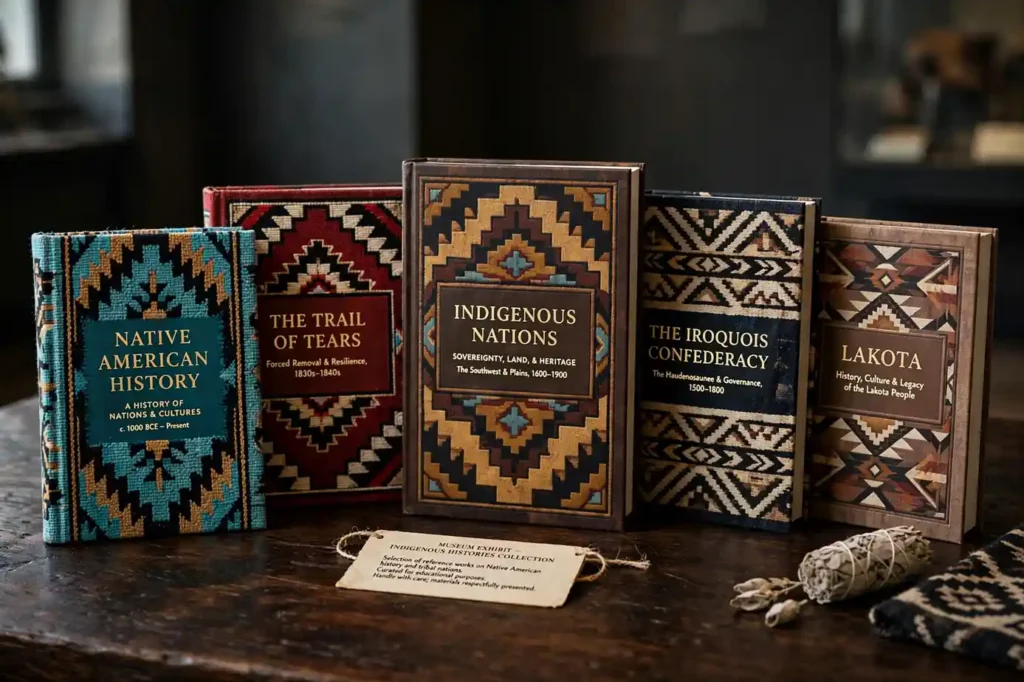
The history of North America is deeply shaped by the formal agreements made between the United States government and Indigenous nations. These historical pacts decided land ownership, sovereignty, and the future of countless generations. For readers wanting to understand this complex past, exploring Books About Treatise With Native American Tribes offers a vital window into the promises made and broken across the centuries.
Navigating the vast selection of literature on this subject can feel overwhelming. Whether you are looking for academic deep dives, legal analyses, or accessible narratives that center Native voices, knowing which titles to choose makes all the difference. This buying guide highlights the best works available, helping you find the right volumes to expand your historical knowledge and deepen your perspective.


What Are the Best Books About Treatise with Native American Tribes?
- Native American Tribes
- Native American Tribes Enthralling
- Native American Tribes Blackfeet
- Native American Tribes Cheyenne
- Native American History
- Native Americans
- Native American Tribes
- The Heartbeat of Wounded Knee
- Native American Tribes Navajo
- The Delaware Indians
- Encyclopedia of Native American Tribes
- Indian Givers
- Encyclopedia of Native Tribes of North America
- Atlas of Indian Nations
| Book Name | Author | Published |
|---|---|---|
| Native American Tribes | Charles River Editors | 2015 |
| Native American Tribes Enthralling | Billy Wellman | 2023 |
| Native American Tribes Blackfeet | Charles River Editors | 2017 |
| Native American Tribes Cheyenne | Charles River Editors | 2013 |
| Native American History | Billy Wellman | 2023 |
| Native Americans | Captivating History | 2018 |
| Native American Tribes | Charles River Editors | 2013 |
| The Heartbeat of Wounded Knee | David Treuer | 2019 |
| Native American Tribes Navajo | Charles River Editors | 2013 |
| The Delaware Indians | Professor C. A. Weslager | 1990 |
| Encyclopedia of Native American Tribes | Carl Waldman | 2006 |
| Indian Givers | Jack Weatherford | 2010 |
| Encyclopedia of Native Tribes of North America | Michael G. Johnson | 2022 |
| Atlas of Indian Nations | Anton Treuer | 2014 |
14 Best Books About Treatise with Native American Tribes
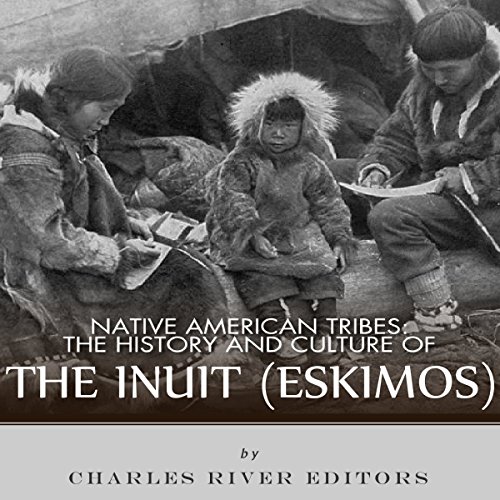
1. Native American Tribes
by Charles River Editors

Overview
Native American Tribes by Charles River Editors explores the history and culture of the Inuit. It opens with perspectives on traditional Inuit principles, contrasting oral legal customs with written legal frameworks that can be destroyed on paper. The work places this cultural heritage alongside broader American historical events, referencing milestones from the Trail of Tears to Wounded Knee and the Little Bighorn.
Presented in spoken form, it introduces listeners to Northern traditions, core beliefs, and historical experiences within the wider sweep of native history.
Book Details
| Author | Charles River Editors |
| Publisher | Charles River Editors |
| Published | May 22, 2015 |
| Language | English |
This release stands out for delivering its historical account in a concise, unabridged audio format. Bob Barton provides clear narration that brings the history and cultural reflections directly to the listener.
The production balances tribal legal perspectives with key moments in native history. The compact running time makes the listening experience direct and approachable without losing focus.
It is well suited for history students, daily commuters, and audiobook listeners seeking a focused introduction to Inuit traditions.
“
Traditional Inuit culture reveals how deeply rooted oral laws preserved a community long before written agreements existed.
2. Native American Tribes Enthralling
by Billy Wellman

Overview
Native American Tribes Enthralling by Billy Wellman examines the extensive histories of the Cherokee, Chickasaw, Choctaw, Creek, and Seminole nations. The book follows these groups from their earliest recorded origins through initial European contact and into the modern era. It considers how the Five Civilized Tribes attempted to adapt to changing American realities, while other factions fought to safeguard their homelands. Through this historical comparison, the text analyzes which survival strategies proved more enduring across centuries of intense cultural disruption.
Book Details
| Author | Billy Wellman |
| Pages | 127 pages |
| Published | April 24, 2023 |
| Language | English |
| Series | U.S. History |
This volume stands out for gathering the accounts of five distinct southeastern nations into one continuous narrative. Billy Wellman guides readers through tribal developments spanning early contact to present times.
Digital features such as Word Wise and Page Flip ensure an accessible reading experience. The clear historical progression allows readers to contrast different approaches to diplomacy and resistance.
The book is an ideal choice for history enthusiasts, teachers building reference lists, and readers exploring tribal survival across generations.
“
The diverse strategies of the Five Civilized Tribes reveal how native nations adapted and fought to endure.
3. Native American Tribes Blackfeet
by Charles River Editors

Overview
Native American Tribes Blackfeet is a focused historical exploration written by Charles River Editors. It examines the history of the Blackfeet and the Blackfoot Confederacy. The book features pictures, accounts of the Blackfeet written by contemporaries, online resources, and a bibliography for further reading. It highlights that the narrative of American history from the Trail of Tears to Wounded Knee and Little Bighorn is incomplete without the inclusion of these native histories.
Book Details
| Author | Charles River Editors |
| Pages | 54 pages |
| Publisher | CreateSpace Independent Publishing Platform |
| Published | January 25, 2017 |
| Language | English |
This concise volume explores the rich history of the Blackfeet and the Blackfoot Confederacy. It brings together historical accounts written by contemporaries to offer a deeper look into the past. Readers will also find helpful online resources and a bibliography for further reading.
The inclusion of period pictures adds a strong visual element to the narrative. The book reminds readers that standard American history remains incomplete without understanding these native perspectives. It covers major touchstones from the Trail of Tears to Wounded Knee and Little Bighorn.
This work is well suited for history enthusiasts, students, and gift buyers looking for concise historical overviews. It serves as an accessible entry point into indigenous studies. Readers seeking a quick yet informative guide will find much of value here.
“
Discover the vital history and enduring legacy of the Blackfeet nation through contemporary accounts and historical context.
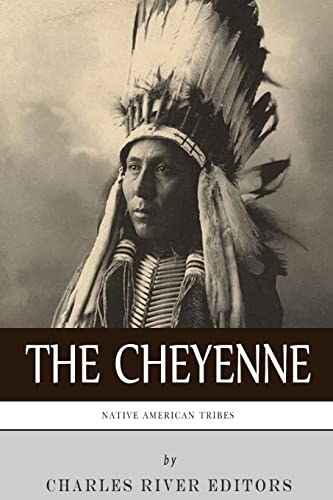
4. Native American Tribes Cheyenne
by Charles River Editors

Overview
Native American Tribes Cheyenne is an informative historical text created by Charles River Editors. It delves into the history and culture of the Cheyenne people. The book includes pictures of important people and places, and it explains Cheyenne participation in major conflicts such as the Battle of the Little Bighorn and the Battle of Washita. A bibliography is also provided for further reading on the subject.
Book Details
| Author | Charles River Editors |
| Pages | 50 pages |
| Publisher | CreateSpace Independent Publishing Platform |
| Published | August 25, 2013 |
| Language | English |
This compact publication explores the rich heritage and turbulent history of the Cheyenne people. It highlights their role in significant historical events like the Battle of the Little Bighorn and the Battle of Washita. The text successfully integrates historical narrative with visual elements.
Readers will find pictures of important people and places scattered throughout the pages. A helpful bibliography is included at the end for further reading. The book emphasizes that American history is incomplete without acknowledging these vital tribal narratives.
This book suits history students, educators, and general readers who want a focused look at the Cheyenne. It provides an accessible format for anyone eager to learn more about indigenous resistance and culture. The concise page count makes it an approachable read for busy learners.
“
Explore the pivotal role of the Cheyenne in American history through engaging narratives and historical imagery.
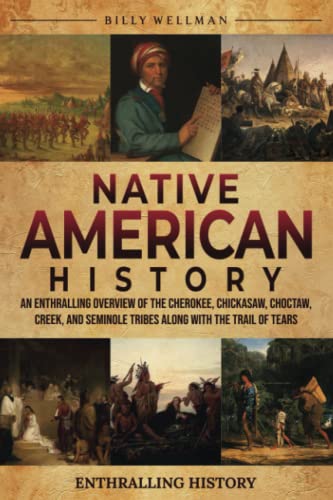
5. Native American History
by Billy Wellman

Overview
This volume brings together two manuscripts in one book to explore the histories of the Cherokee, Chickasaw, Choctaw, Creek, and Seminole. It examines the stories of these Five Civilized Tribes alongside the events of the Trail of Tears. Readers learn about Choctaw and Chickasaw removal, the Seminole Wars, and Creek dissolution. The text also covers the forced relocation of the Cherokee tribe, presenting a focused overview of tribal struggles and displacement during this critical period of American history.
Book Details
| Author | Billy Wellman |
| Pages | 204 pages |
| Publisher | Billy Wellman |
| Published | May 30, 2023 |
| Language | English |
| Series | Exploring the Past |
Billy Wellman offers a focused 204-page historical volume published as part of the Exploring the Past series. This volume stands out by bringing two complete manuscripts together into a single comprehensive place. It examines the distinct backgrounds of five southeastern tribes before addressing their forced removals.
The writing explores how each nation confronted pressures from expanding American settlements. Detailed chapters trace major events such as Creek dissolution, the Seminole Wars, and the Trail of Tears. This clear and steady structure makes complicated regional timelines easy to follow.
The reading experience provides a direct, organized examination of early displacement policies. This paperback edition works very well for self-directed history learners, teachers looking for supplemental texts, and general readers seeking an overview of these specific tribal histories.
“
This volume combines accounts of five southeastern tribes with the tragic events of their forced displacement along the Trail of Tears.
6. Native Americans
by Captivating History

Overview
This audiobook combines two manuscripts in a single production to present a broad look at Native American history. It covers the long history of native tribes, including accounts of Hiawatha and the Wounded Knee Massacre. The collection also examines the Trail of Tears, documenting nations such as the Cherokee, Muscogee Creek, Seminole, Chickasaw, and Choctaw.
It provides listeners with an engaging journey through critical moments, individual tribal experiences, and the dramatic events that shaped the past for Native American peoples across the continent.
Book Details
| Author | Captivating History |
| Publisher | Captivating History |
| Published | November 19, 2018 |
| Language | English |
| Series | Exploring U.S. History |
Captivating History compiles two full titles into an unabridged audiobook running five hours and forty-three minutes. Narrator Duke Holm guides listeners through a sprawling timeline that spans key figures like Hiawatha to the tragedy at Wounded Knee. The spoken format allows listeners to absorb historical events without reading print.
The recording balances broader tribal traditions with the specific trauma of the Trail of Tears. Listeners hear how the Cherokee, Muscogee Creek, Seminole, Chickasaw, and Choctaw faced systematic relocation. The accessible pacing helps keep listeners engaged across the multifaceted narrative.
This title belongs to the Exploring U.S. History series. It serves commuters, audio learners, and history enthusiasts seeking a convenient spoken survey. The presentation also suits gift buyers searching for an informative audiobook on early American conflicts.
“
Duke Holm narrates a sweeping audio journey across tribal histories, influential figures, and the painful era of forced relocation.
7. Native American Tribes
by Charles River Editors

Overview
This volume examines the history and culture of the Choctaw people within the broader scope of American history. It details the tribe’s unique position, including historical accounts noting that the Choctaw and Chickasaw acted as faithful allies who did not engage in war against the American people. The text connects tribal history to significant historical milestones from the Trail of Tears to Little Bighorn and Wounded Knee.
The concise 40-page release from Charles River Editors includes historical pictures along with a bibliography for readers who want to pursue further reading on tribal affairs.
Book Details
| Author | Charles River Editors |
| Pages | 40 pages |
| Publisher | CreateSpace Independent Publishing Platform |
| Published | September 22, 2013 |
| Language | English |
Charles River Editors delivers a direct historical account focusing on Choctaw culture and diplomacy. It stands out by highlighting how the tribe maintained peaceful alliances with the American public. Visual elements and historical pictures add helpful context to the concise text.
At 40 pages, this print edition provides an accessible reading experience without overwhelming detail. The writing maintains a clear, informative tone that moves briskly through important events. It presents historical milestones alongside a bibliography for further research.
This title suits casual readers, high school students, and teachers who need an introductory overview of Choctaw heritage. It also works well for gift buyers seeking an approachable historical study.
“
Neither the Choctaws nor Chicksaws ever engaged in war against the American people, but always stood as their faithful allies.
8. The Heartbeat of Wounded Knee
by David Treuer

Overview
Written by David Treuer, this comprehensive work chronicles Native America from 1890 into the modern era. The narrative covers the long timeline following the tragedy at Wounded Knee, highlighting the enduring presence and development of Indigenous communities through recent times. Across 526 pages, the text reframes modern American history by exploring how tribal culture and identity persisted beyond late nineteenth-century conflicts.
Published by Riverhead Books, the volume achieved critical acclaim as a New York Times bestseller and received widespread recognition across major national publications and literary awards.
Book Details
| Author | David Treuer |
| Pages | 526 pages |
| Publisher | Riverhead Books |
| Published | January 22, 2019 |
| Language | English |
David Treuer offers an expansive study that stands out by focusing on Indigenous history after 1890. Rather than ending at Wounded Knee, the narrative traces how Native America evolved up to the present day. This broad chronological framing provides essential perspective on modern tribal survival.
The 526-page digital edition offers a thorough reading experience supported by features like Enhanced Typesetting, Page Flip, and X-Ray. Treuer crafts an ambitious and immersive account that keeps historical developments deeply engaging throughout each chapter.
This book is an ideal match for dedicated history readers, university students, and educators seeking an in-depth examination of contemporary Native American life. It also serves as a thoughtful gift for anyone interested in modern American history.
“
Chapter after chapter, it’s like one shattered myth after another.
by Charles River Editors

Overview
Native American Tribes Navajo by Charles River Editors explores the rich history and culture of the Navajo people. The book provides a detailed look at the origins, culture, and social structure of the tribe. It includes pictures and a bibliography for further reading. Readers will learn about the Navajo place in the broader narrative of American history, spanning from the era of the Trail of Tears to Wounded Knee and Little Bighorn.
Book Details
| Author | Charles River Editors |
| Pages | 48 pages |
| Publisher | Charles River Editors |
| Published | March 26, 2013 |
| Language | English |
This concise volume offers a focused look at the Navajo people, examining their unique origins and intricate social structures. It balances historical context with cultural insights to provide a complete overview of the tribe.
The inclusion of historical pictures helps bring the past to life for readers. It serves as a helpful resource for anyone looking to understand Native American heritage beyond standard textbooks.
Students and history enthusiasts will find this short book very accessible. It suits readers who want a straightforward introduction to Navajo history without wading through dense academic texts.
“
Discover the rich history, origins, and cultural foundations of the Navajo people in this concise historical guide.
10. The Delaware Indians
by Professor C. A. Weslager

Overview
The Delaware Indians by Professor C. A. Weslager presents a comprehensive history of the tribe through decades of study by a layman archeologist historian. The text features a rich blend of archeology, anthropology, and Indian oral traditions. It includes one of the best accounts of the Walum Olum, which uses fascinating hieroglyphics to depict the tribal origins of the Delaware Indians.
Book Details
| Author | Professor C. A. Weslager |
| Pages | 568 pages |
| Publisher | Rutgers University Press |
| Published | January 1, 1990 |
| Language | English |
This detailed tribal history stands out for its unique blend of academic disciplines and oral tradition. The author uses decades of study to present a deeply researched account of the Delaware Indians.
Readers will appreciate the incorporation of archeology and anthropology alongside traditional storytelling. The inclusion of the Walum Olum provides a rare look at fascinating tribal hieroglyphics and origins.
Serious history readers, researchers, and anthropologists will find this extensive volume exceptionally valuable. It suits those looking for a deeply scholarly and thorough examination of a single tribal nation.
“
Decades of research and oral tradition combine to reveal the deep historical roots of the Delaware Indians.
11. Encyclopedia of Native American Tribes
by Carl Waldman

Overview
Encyclopedia of Native American Tribes is a fully updated reference discussing more than 200 American Indian tribes. This colorful and engaging look at native groups provides an easy to use format filled with wonderful illustrations. The volume serves as a comprehensive resource for readers who want to explore indigenous history and culture through detailed entries. Previous editions earned high praise for ease of use and visual appeal, making this third edition a trusted addition to any bookshelf.
Book Details
| Author | Carl Waldman |
| Pages | 368 pages |
| Publisher | Checkmark Books |
| Published | September 1, 2006 |
| Language | English |
This comprehensive resource stands out for its visual appeal, featuring wonderful illustrations that bring the histories of more than two hundred tribes to life. Readers will find the volume remarkably easy to navigate, making historical research both accessible and deeply engaging for learners of all backgrounds.
The writing style balances scholarly depth with an inviting presentation, ensuring that complex histories are easy to digest. It suits students, educators, and general readers who want a reliable reference guide to American Indian cultures right at their fingertips.
Gift buyers looking for an educational and visually striking present will find this book to be a lasting treasure. Its structured entries provide quick answers while encouraging deeper exploration into the diverse traditions of native communities.
“
This colorful reference brings the rich histories and cultures of over two hundred tribes into sharp focus.
12. Indian Givers
by Jack Weatherford

Overview
Indian Givers tells the utterly compelling story of how the cultural, social, and political practices of Native Americans transformed the way life is lived throughout the world. Written by Jack Weatherford, this thought-provoking book explores global impacts with an entertaining narrative style. The edition includes a new introduction by the author, highlighting the enduring contributions and profound historical influence of indigenous societies on modern civilization.
Book Details
| Author | Jack Weatherford |
| Pages | 368 pages |
| Publisher | Crown |
| Published | August 3, 2010 |
| Language | English |
This compelling book stands out by shifting the historical lens to show how native societies actively shaped the modern world. The writing is as entertaining as it is thoughtful, making sweeping cultural and political transformations feel immediate and deeply relevant to everyday life.
Readers will enjoy a fresh perspective on history that challenges conventional narratives about progress and innovation. It suits history enthusiasts, students, and curious readers who appreciate engaging storytelling rooted in global social practices.
Gift buyers searching for a thought-provoking read will delight in sharing this eye-opening exploration with others. Its unique focus on global impact leaves a lasting impression on anyone interested in world history and cultural exchange.
“
As entertaining as it is thoughtful . . . Few contemporary writers have Weatherford’s talent for making the deep sweep of history seem vital and immediate.
13. Encyclopedia of Native Tribes of North America
by Michael G. Johnson

Overview
Encyclopedia of Native Tribes of North America by Michael G. Johnson is a comprehensive reference work published by Firefly Books. Recognized as a model of excellence in reference publishing, this substantial volume serves as an enduring standard for understanding Native tribes across North America. It is designed for acquisition by public and school libraries seeking authoritative academic material.
Through its structured presentation across hundreds of pages, the work offers an essential foundation for researching indigenous nations, tribal histories, and regional heritage.
Book Details
| Author | Michael G. Johnson |
| Pages | 336 pages |
| Publisher | Firefly Books |
| Published | September 1, 2022 |
| Language | English |
Michael G. Johnson provides a comprehensive reference volume that stands out for its academic rigor. The book spans 336 pages in a large paperback format published by Firefly Books. Its systematic approach delivers a reliable standard for anyone studying Native North American heritage.
The clear text makes complex tribal records straightforward to examine. Readers can explore entries that balance scholarly detail with accessible explanations. This organized presentation ensures each section remains functional for continuous reference work.
This guide suits teachers, librarians, and serious students looking for a dependable library anchor. It also serves general readers and gift buyers wanting a substantial educational resource. The volume is an ideal choice for high school and collegiate research.
“
This substantial reference remains one of the most elaborately illustrated books on Native Americans now in print… Highly recommended.
14. Atlas of Indian Nations
by Anton Treuer

Overview
Atlas of Indian Nations is a comprehensive resource created for anyone interested in Native American history and culture. Authored by Anton Treuer and published by National Geographic, this illustrated volume tells the expansive story of American Indians across 320 pages. The narrative unfolds through a rich combination of historical maps, photographs, traditional art, and archival cartography. It stands as an extensive atlas documenting the geographic and cultural landscape of Native America, bringing tribal histories to life through detailed visual records.
Book Details
| Author | Anton Treuer |
| Pages | 320 pages |
| Publisher | National Geographic |
| Published | October 7, 2014 |
| Language | English |
Anton Treuer combines rigorous history with visual storytelling in this large illustrated volume. Published by National Geographic, the work relies on detailed archival cartography, photographs, and historical art. These varied visual elements bring tribal geographies and sovereign territories into clear focus.
The narrative presents complex tribal chronicles through engaging and direct prose. Readers can easily follow the geographic distribution of Native nations alongside significant cultural milestones. The rich visual materials complement the historical context on every page.
This atlas serves as an outstanding addition for educators, researchers, and family bookshelves. Parents, teachers, and gift buyers will appreciate the accessible presentation of detailed historical topics. Anyone interested in Native American land agreements and tribal territories will find valuable insight here.
“
A visual exploration of Native American history told through archival maps, photography, and cultural cartography.
How to Choose the Best Books About Treatise with Native American Tribes
The Reader Goal and Level
Finding the right book starts with understanding what you want to learn. Some titles focus on broad histories, while others dive deeply into specific agreements and nations. Think about whether you prefer a general overview or a detailed historical analysis. Your current familiarity with the subject will guide you toward the best starting point.
Writing Style
Authors approach these histories in very different ways. Some books read like fast paced stories, while others take a more academic and reference based approach. Consider what keeps you engaged when reading non fiction. Choosing a style that matches your preferences makes the learning process much more enjoyable.
Format and Length
Books on this topic come in various formats, including compact paperbacks, large reference encyclopedias, and visual atlases. Page counts range from short introductory guides to massive scholarly volumes. Think about where and how you like to read. Portable paperbacks suit commuting, while large encyclopedias work best at a desk.
Practical Ideas Versus Broad History
Some readers want deep philosophical themes, while others look for specific treaty timelines and historical facts. Look closely at what each author emphasizes in their writing. This helps you pick a book that directly answers your historical questions.
Here is a quick reference table to help you compare your options before making a final decision.
| Factor | What to Look For | Best Choice For |
|---|---|---|
| Goal | Broad overview versus specific nation history | Beginners versus advanced researchers |
| Style | Narrative storytelling versus academic reference | Casual readers versus history students |
| Format | Paperback, hardcover, or large visual atlas | Travel reading versus deep study at home |
When selecting your next read, keep your personal interests at the forefront. Exploring history through multiple perspectives enriches your understanding. Dive in with an open mind and enjoy discovering new insights about Native American treaties and history.
How Much Impact Can Books About Treatise with Native American Tribes Have?
Reading books about treaties with Native American tribes offers a profound opportunity to understand the legal and social history of North America. These texts provide essential context for the land agreements and political relationships that shaped the continent. By exploring these documents and their historical aftermath, you gain a clearer perspective on the sovereignty of indigenous nations. This knowledge is not just academic, as it helps bridge the gap between historical events and current affairs affecting tribal communities today.
You can start to see the impact of these books after just a few chapters. As you move through titles like The Heartbeat of Wounded Knee or the Encyclopedia of Native American Tribes, the complex history begins to make sense. It is helpful to take notes or keep a reading journal to track the timeline of different treaties.
Engaging with the material over several weeks allows the information to sink in, turning abstract dates into a cohesive narrative of struggle and resilience.
To get the most out of your reading, try to approach the subject with an open mind. Many readers find that re-reading specific sections helps clarify how certain treaties were negotiated versus how they were enforced. Discussing these books with others is another effective way to deepen your understanding. Whether you are a student, a teacher, or a curious reader, sharing thoughts on books like Indian Givers can highlight different interpretations of historical agreements.
It is important to be realistic about what these books can achieve. While they provide deep insight into the past, they are not a substitute for direct dialogue with tribal members or legal experts. They serve as a starting point for further education rather than a final word on every complex issue. By recognizing the limits of a single book, you can seek out a variety of perspectives to build a more comprehensive view of the subject.
Recommended Reading for Different Interests
Depending on your focus, some books may be more suitable than others for your learning journey. Consider the following breakdown to help choose your next read:
- For a broad overview of cultural history, titles like Native American History or Native Americans offer foundational knowledge.
- For those interested in specific regions or groups, books such as Native American Tribes Blackfeet, Native American Tribes Cheyenne, or Native American Tribes Navajo provide targeted information.
- For reference purposes, the Encyclopedia of Native Tribes of North America or the Atlas of Indian Nations are excellent tools for visualizing geographical shifts and treaty lands.
If you are looking for a deeper dive into the legal history of specific groups, The Delaware Indians provides a focused look at their interactions and agreements. Meanwhile, books like Native American Tribes Enthralling offer a more narrative approach that can keep readers engaged with the human stories behind the policies. Mixing these different styles of writing will keep your study of treaties fresh and interesting over time.
| Goal | Suggested Approach |
|---|---|
| Historical Context | Start with general histories to learn the timeline. |
| Legal Understanding | Focus on specific treaty records and analysis. |
| Cultural Insight | Read tribal specific histories to understand local customs. |
Applying the ideas you find in these books requires patience. You might start by identifying one specific treaty mentioned in a text and researching its current status or legacy. This active approach turns passive reading into a research project that can last for months. Do not rush to finish every volume immediately, as taking the time to reflect on the content is what truly builds knowledge.
Teachers can use these resources to create lesson plans that encourage critical thinking about the past. By using books like Indian Givers, educators can challenge students to look at how indigenous knowledge and agreements influenced the development of the modern world. Parents can also find age appropriate selections to help children understand the importance of treaties in a respectful and honest way. Sharing these stories helps foster a greater appreciation for the diverse cultures of North America.
Ultimately, the impact of these books is measured by how they change your perception of the world around you. You may find yourself noticing references to historical treaties in the news or in local history markers that you previously overlooked. This heightened awareness is the primary goal of any serious reader in this field. Keep exploring, keep questioning the narratives, and remember that every book is just one piece of a much larger and more complicated puzzle.
Frequently Asked Questions
What Topics Do Books About Treatise with Native American Tribes Typically Cover?
These books explore the complex history of legal agreements, land deals, and diplomatic talks between Indigenous nations and federal governments. They examine how officials negotiated these pacts, often under immense pressure, and what those terms meant for tribal sovereignty. Readers can expect detailed accounts of historical diplomacy and the legal frameworks that shaped modern Native American history.
The texts also highlight the perspectives of tribal leaders who fought to protect their people during these pivotal negotiations. Authors often include primary source documents, maps, and historical context to give a complete picture of the proceedings. This makes them valuable resources for anyone wanting to understand the true impact of treaties on Indigenous communities.
Are These Historical Texts Suitable for Classroom Settings?
Many titles in this category work wonderfully for high school and college history courses. Teachers use them to provide students with a deeper understanding of federal Indian law and regional history. The primary sources and detailed explanations help students engage with difficult historical topics in a structured way.
Educators appreciate how these volumes offer multiple perspectives on historical events rather than just a single government viewpoint. They encourage critical thinking about treaties and their lasting effects today. Parents homeschooling older children will also find these titles helpful for social studies curricula.
Who Writes Books About Treatise with Native American Tribes?
The authors include historians, legal scholars, and researchers who specialize in Indigenous studies. Many writers spend years examining archives, government records, and tribal oral histories to ensure their work is accurate. This rigorous research background ensures readers receive well documented and thoughtful analyses of complex legal agreements.
Some works are also co authored by Indigenous historians or feature contributions from tribal members. This inclusion brings vital cultural context and personal viewpoints to the historical record. Readers looking for authentic storytelling and reliable scholarship will find these diverse author backgrounds very reassuring.
What Reading Level Can I Expect from These Historical Volumes?
Most titles are written for an adult audience, including college students, researchers, and history enthusiasts. The writing style tends to be academic and thorough, focusing heavily on factual accuracy and legal details. Because the subject matter involves intricate laws and historical terminology, readers should expect a thoughtful and deliberate pace.
While the content is serious, many authors work hard to make their narratives clear and accessible to general readers. You do not need a law degree to follow the main arguments, though some background in American history helps. The careful organization of chapters makes it easy to digest complex treaty histories step by step.
Do These Books Include Maps or Primary Source Documents?
A significant number of these volumes feature historical maps, photographs, and reproductions of actual treaty documents. These visual aids help readers visualize territorial boundaries and understand the geographic scope of the negotiations. Seeing the original text or signatures adds a powerful layer of authenticity to the reading experience.
Publishers often include bibliographies and notes for readers who want to explore the source material further. These extra features make the books excellent reference tools for personal libraries and research projects. You will gain a much clearer grasp of the historical landscape with these supplementary items included.
How Do These Publications Address the Modern Impacts of Historical Agreements?
The narratives frequently connect past negotiations to current legal battles over land rights, sovereignty, and resource management. Authors explain how broken promises from the past continue to influence modern relations between tribes and the government. This forward looking perspective helps readers see that historical treaties are not just ancient history.
By linking yesterday’s decisions to today’s headlines, these texts provide essential context for contemporary Indigenous issues. Readers gain a better appreciation of why these agreements still matter so much in modern courts. It is a vital perspective for anyone wanting a complete understanding of tribal sovereignty today.
What Is the Best Way to Choose a Title from This Genre?
Start by considering whether you want a broad overview of federal policy or a focused study on a specific region. Some books cover nationwide treaty history, while others zoom in on particular tribes and their unique negotiations. Identifying your specific area of interest will help narrow down the many choices available.
Checking the author background and looking at the inclusion of maps or primary sources can also guide your decision. Reviews often mention whether a title leans more toward legal analysis or narrative storytelling. Taking a moment to check these details ensures you find a book that matches your reading goals.
Last Word
If you want a thorough starting point, Native American Tribes serves as the best overall pick for general readers. For those focusing on specific communities, Native American Tribes Blackfeet and Native American Tribes Navajo suit readers who want deep regional history.
Take time to consider which specific era or nation you want to study before buying. A focused title often reveals more than a broad summary.