

Have you ever wondered what life was actually like for the people who lived through the birth of a nation? It is easy to view historical events as a series of dates or famous speeches, but those moments were shaped by real human experiences. We often ask ourselves how much of our history is based on myth versus the gritty reality of the time.
Reading Books About The American Revolution helps bridge that gap by showing the personal struggles behind the political movements. Different authors offer unique lenses, ranging from the domestic lives of women to the complex strategies of military leaders. Some focus on the intellectual arguments that sparked the fire, while others highlight the daily hardships of regular citizens.

This list organizes these perspectives to help you identify which narrative style suits your interests. Each title offers a distinct vantage point on the era.
What Are the Best Books About the American Revolution?
- Revolutionary Mothers
- Daughter of Liberty
- American Crown
- Rush Revere and the American Revolution
- Revolution from Within
- The American Revolution
- What They Didn’t Teach You About the American
- Our First Civil War
- Liberty!
- Leaders & Heroes of the American Revolution
- Common Sense
- A People’s History of the American Revolution
- The Peasant Prince
- Revolution
| Book Name | Author | Published |
|---|---|---|
| Revolutionary Mothers | Carol Berkin | 2006 |
| Daughter of Liberty | J. M. Hochstetler | 2018 |
| American Crown | Stephanie Green | 2026 |
| Rush Revere and the American Revolution | Rush Limbaugh | 2014 |
| Revolution from Within | Gloria Steinem | 2012 |
| The American Revolution | Judy Dodge Cummings | 2015 |
| What They Didn’t Teach You About the American | Mike Wright | 2009 |
| Our First Civil War | H. W. Brands | 2022 |
| Liberty! | Lucille Recht Penner | 2002 |
| Leaders & Heroes of the American Revolution | D.P. Michaels | 2025 |
| Common Sense | Thomas Paine | 2002 |
| A People’s History of the American Revolution | Ray Raphael | 2011 |
| The Peasant Prince | Alex Storozynski | 2009 |
| Revolution | Mike Bond | 2022 |
14 Best Books About the American Revolution
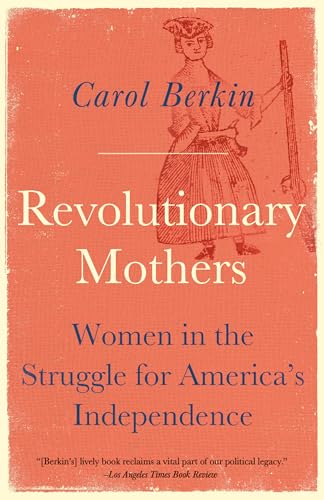
1. Revolutionary Mothers
by Carol Berkin

Overview
Revolutionary Mothers provides a groundbreaking history of the American Revolution by focusing on the experiences of Colonial women. Author Carol Berkin vividly recounts the struggles these women faced while fighting for independence for their nation and often for themselves. By highlighting their essential contributions, the book reclaims a vital part of our political legacy.
It moves beyond traditional military narratives to examine how the conflict shaped the lives of women and how they, in turn, actively participated in the fight for liberty during this transformative period.
Book Details
| Author | Carol Berkin |
| Pages | 224 pages |
| Publisher | Vintage |
| Published | February 14, 2006 |
| Language | English |
This history stands out because it shifts the focus from the battlefield to the domestic and political front lines where women played a crucial role. Carol Berkin writes in a lively and engaging style that brings these often overlooked voices into sharp relief. The narrative is both informative and deeply human, offering a fresh perspective on the founding of the United States.
Readers interested in a more comprehensive view of the era will find this book highly rewarding. It serves as an excellent resource for students or anyone looking to understand the social complexities of the period. The prose is accessible yet scholarly, making it a perfect addition to any history collection.
Gift buyers should consider this for history buffs who appreciate detailed research. It is a thoughtful choice for teachers wanting to expand their classroom discussions beyond traditional battle accounts. The book successfully reclaims a missing piece of American heritage for modern readers to appreciate.
“
This book highlights the essential, often ignored roles women played in securing American independence through their personal and political struggles.
2. Daughter of Liberty
by J. M. Hochstetler

Overview
Daughter of Liberty is the first entry in a series celebrating 250 years of American independence. Set in April 1775, the story takes place in the blockaded port of Boston where tensions between British Regulars and the Sons of Liberty are escalating rapidly. As the conflict brews, the narrative follows a compelling cast of characters caught in the middle of a nation’s founding.
This work offers a thrilling look at the atmosphere and high stakes of the early days of the American Revolution.
Book Details
| Author | J. M. Hochstetler |
| Pages | 434 pages |
| Publisher | Sheaf House Publishers |
| Published | October 23, 2018 |
| Language | English |
This novel excels at capturing the tense atmosphere of pre-war Boston through its immersive storytelling and attention to historical detail. It serves as a strong start to a series that promises to explore the long journey toward independence. The writing style pulls readers directly into the conflict, making the historical setting feel immediate and urgent.
Readers who enjoy historical fiction will likely appreciate how the author balances the grand scale of the revolution with the personal lives of those living through it. The narrative is well-paced, ensuring that the stakes remain high throughout the book. It is a great pick for those who prefer their history lessons wrapped in a compelling story.
Teachers and parents looking for engaging material to spark interest in the founding era will find this a useful tool. It is also an ideal gift for fans of long-running historical sagas. The book effectively bridges the gap between historical fact and narrative excitement for a wide audience.
“
The story brings the tense, early days of the American Revolution to life through a dramatic tale set in the heart of Boston.
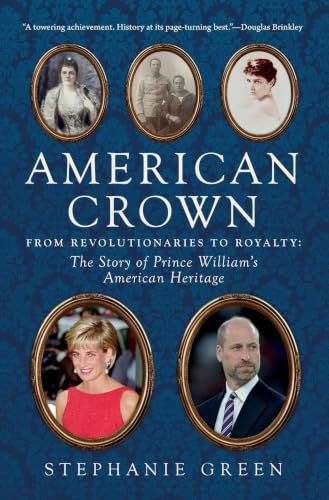
3. American Crown
by Stephanie Green

Overview
American Crown by Stephanie Green explores the fascinating history of Prince William’s American ancestors. This narrative blends American history with royal biography to bring to life a rebellious lineage that stretches from the era of the American Revolution to the modern British royal family. The book reveals how these historical figures and their revolutionary actions will help shape the future King of Great Britain. It offers a fresh perspective on the connection between American revolutionaries and royal heritage.
Book Details
| Author | Stephanie Green |
| Pages | 288 pages |
| Publisher | Pegasus Books |
| Published | July 7, 2026 |
| Language | English |
Stephanie Green delivers a highly engaging blend of historical biography and royal lineage. The narrative successfully connects the rebellious spirits of the American Revolution with the modern British monarchy. Readers will find the exploration of Prince William’s heritage both surprising and deeply informative.
The writing style is accessible and well researched, making complex family trees easy to follow. Green presents a fresh perspective that shifts how we view trans-Atlantic historical connections. The book spans 288 pages and keeps a steady, absorbing pace throughout.
This book is an excellent choice for history enthusiasts, biography lovers, and royal watchers. It also makes a wonderful gift for anyone interested in the unexpected ties between early America and Great Britain. The unique subject matter ensures it stands out on any history bookshelf.
“
This book explores the surprising historical connections between rebellious American revolutionaries and the future King of Great Britain.
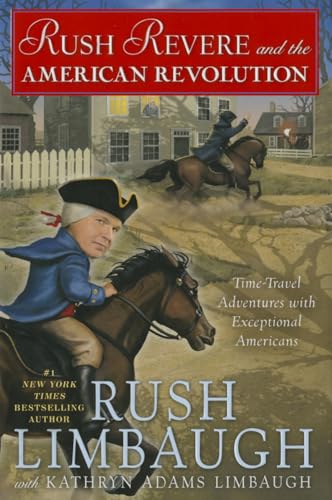
4. Rush Revere and the American Revolution
by Rush Limbaugh

Overview
In Rush Revere and the American Revolution, Rush Limbaugh takes readers on a time-travel adventure to the front lines of the war. Alongside his wisecracking horse, Liberty, and a crew of young friends, Rush travels back in time to meet brave soldiers and experience the historic events firsthand. This illustrated book brings history to life as the characters encounter exceptional Americans during the struggle for independence. It offers an exciting way to learn about the nation’s founding.
Book Details
| Author | Rush Limbaugh |
| Pages | 256 pages |
| Reading Age | 7 – 11 years |
| Grade Level | Preschool – 2 |
| Publisher | Threshold Editions |
| Published | October 28, 2014 |
| Language | English |
This book stands out for its unique combination of historical fiction, time travel, and humor. Rush Limbaugh uses a conversational and engaging tone that keeps young readers entertained while they learn. The addition of a wisecracking horse adds a lighthearted touch to the serious subject of the war.
The book is fully illustrated, which helps to visualize the characters and their historic surroundings. Spanning 256 pages, the story moves at a fast pace that is well suited for its target audience. It makes historical figures feel accessible and real rather than just names on a page.
This adventure is perfect for young readers aged seven to eleven, as well as parents and teachers looking for engaging educational material. It serves as a great tool to spark an early interest in American history. The book is both an entertaining story and a helpful learning resource.
“
A fun and illustrated time-travel adventure that introduces young readers to the brave heroes and key events of the American Revolution.
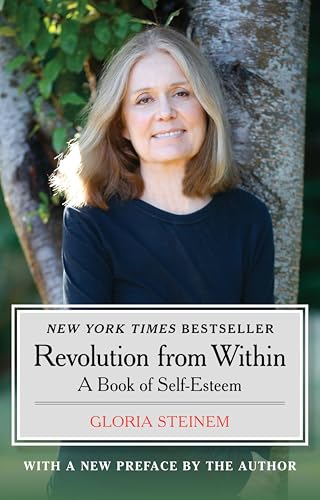
5. Revolution from Within
by Gloria Steinem

Overview
Gloria Steinem explores the profound importance of self-esteem in driving personal and societal liberation. The book argues that without internal confidence, any external change is merely an exchange of masters, whereas true self-worth removes the need for masters altogether. This newly updated bestseller connects individual growth to global rescue, helping readers find the strength to transform themselves and their communities. It is designed to inspire people seeking deeper purpose and self-awareness in their lives.
Book Details
| Author | Gloria Steinem |
| Pages | 384 pages |
| Publisher | Open Road Media |
| Published | May 15, 2012 |
| Language | English |
This book stands out by connecting the concept of internal self-worth to broader struggles for freedom and independence. The writing is deeply personal and thought-provoking, offering readers a clear path to self-discovery. Steinem uses her famous insight to guide readers through the complex relationship between self-esteem and societal change.
The reading experience is both challenging and empowering. It encourages readers to examine their own lives and beliefs rather than just absorbing history passively. The book feels highly relevant to modern readers who want to understand the psychological roots of social movements.
This title is an excellent choice for adults, educators, and anyone interested in personal growth and social change. It serves as a powerful gift for readers looking to build their confidence and make a positive impact on the world around them.
“
True social liberation begins with personal self-esteem, which empowers individuals to reject all forms of mastery and live freely.
6. The American Revolution
by Judy Dodge Cummings

Overview
This book introduces young readers to the dramatic story of the American Revolution, framing it as a classic underdog tale. It covers how the determined colonists used their cunning intelligence and visionary leadership to defeat Great Britain in a seemingly impossible war. Beyond the battlefield, the narrative details the severe hardships and challenges the new nation faced in establishing a working society. It is a compelling history designed to engage children in the struggles of founding a country.
Book Details
| Author | Judy Dodge Cummings |
| Pages | 130 pages |
| Reading Age | 9 – 12 years |
| Grade Level | 3 – 7 |
| Publisher | Nomad Press |
| Published | March 16, 2015 |
| Language | English |
This book stands out by presenting history as an exciting underdog adventure that immediately captures the attention of young readers. The writing is highly engaging and accessible, breaking down complex historical events into digestible, narrative-driven chapters. Cummings focuses on the clever strategies and resilience that allowed the colonists to overcome incredible odds.
The reading experience is both educational and highly entertaining. By focusing on the real hardships of building a nation from scratch, it teaches kids that winning the war was only the first step. This approach encourages critical thinking about governance and cooperation.
This volume is ideal for children aged nine to twelve, making it a fantastic resource for parents and middle-school teachers. It also makes a wonderful gift for young history enthusiasts who enjoy stories of courage and clever problem-solving.
“
Young readers can explore how colonial ingenuity and perseverance turned a seemingly impossible struggle for independence into a triumphant reality.
7. What They Didn’t Teach You About the American
by Mike Wright

Overview
Zeroes in on the interesting, irreverent, long‑ignored tidbits that shape behavior in all conflicts and important periods of history. It asks what made the founding fathers so great (or were they?) and reminds readers not to forget the founding mothers. The book weaves intrigue and skullduggery with spies from… It examines the roles of women, the motives behind key decisions, and the hidden stories that have been overlooked for decades.
Book Details
| Author | Mike Wright |
| Pages | 368 pages |
| Publisher | Presidio Press |
| Published | April 3, 2009 |
| Language | English |
| Series | What They Didnt Teach You |
The book zeroes in on the interesting, irreverent, long‑ignored tidbits that shape behavior in all conflicts and important periods of history. By questioning the greatness of the founding fathers, it invites readers to reconsider familiar stories.
Its focus on the founding mothers and the intrigue of spies adds depth to a narrative that is both engaging and informative. The tone is casual, yet the content remains grounded in historical context.
The book’s structure encourages readers to explore beyond the conventional textbook view. It offers a series of anecdotes that highlight the complexities of the Revolution, making it a compelling read for both casual history fans and scholars.
Ideal for history enthusiasts seeking fresh angles and educators who want to challenge traditional narratives, this volume provides a lively, thought‑provoking perspective that keeps readers engaged from start to finish.
“
Zeroes in on the interesting, irreverent, long-ignored tidbits that shape behavior in all conflicts and important periods of history.
8. Our First Civil War
by H. W. Brands

Overview
A fast‑paced, often riveting account of the military and political events leading up to the Declaration of Independence and those that followed during the war, this book traces the key moments that shaped early America. It reminds readers that division, as much as unity, is central to the founding of our nation, illustrating how the colonies’s differing viewpoints and internal conflicts fueled the push for independence.
By weaving together the stories of soldiers, leaders, and ordinary citizens, it offers a comprehensive view of the Revolution’s complexity and its lasting impact.
Book Details
| Author | H. W. Brands |
| Pages | 512 pages |
| Publisher | Vintage |
| Published | September 13, 2022 |
| Language | English |
This book delivers a fast‑paced, often riveting narrative of the military and political events leading up to the Declaration of Independence and the war that followed. Its energetic style keeps readers engaged as the story unfolds.
The author reminds readers that division, as much as unity, is central to the founding of our nation. By highlighting internal conflicts and diverse viewpoints, the book shows how tension fueled the drive for independence.
The narrative weaves together the experiences of soldiers, leaders, and ordinary citizens, providing a comprehensive view of the Revolution’s complexity. Readers can see how individual actions and collective struggles shaped the nation’s birth.
Ideal for history lovers who appreciate a lively, detail‑rich account, this volume appeals to students, educators, and general readers seeking a deeper understanding of the Revolution’s internal dynamics and its enduring legacy in America.
“
The book shows that division, as much as unity, shaped the Revolution, revealing how internal conflicts forged the nation’s founding.
9. Liberty!
by Lucille Recht Penner

Overview
Liberty! by Lucille Recht Penner explores how the American Revolutionary War began. The story focuses on the growing frustration of the American colonists under British law. To show their displeasure, they refused to buy English goods and formed a dedicated militia of everyday tradesmen and farmers. These ordinary citizens prepared to fight at a moment’s notice.
Crucially, they learned to join together. All thirteen colonies sent representatives to make the monumental decision about whether to rise up and declare their independence.
Book Details
| Author | Lucille Recht Penner |
| Pages | 48 pages |
| Reading Age | 7 – 13 years |
| Grade Level | 3 – 7 |
| Publisher | Random House Books for Young Readers |
| Published | July 23, 2002 |
| Language | English |
This engaging book stands out for its accessible approach to a complex historical period. Lucille Recht Penner writes in a clear, narrative style that brings the early days of the conflict to life for young readers. It covers the initial acts of defiance by the colonists and their path toward unity.
At forty-eight pages, the book offers a concise and visually inviting format published by Random House. The story focuses on the bravery of ordinary tradesmen and farmers who stood up against British law. It makes a great choice for parents and teachers introducing early American history.
This title is ideal for children aged seven to thirteen who are learning about the origins of America. It serves as a fantastic classroom resource or a thoughtful gift. The narrative provides a perfect introduction to the spirit of cooperation among the thirteen colonies.
“
This book introduces young readers to the cooperative struggle and early acts of defiance that sparked the American Revolutionary War.
10. Leaders & Heroes of the American Revolution
by D.P. Michaels

Overview
Leaders & Heroes of the American Revolution by D.P. Michaels takes readers to the dawn of a new nation. The book explores what it was like to hear Patrick Henry’s famous cry for liberty and watch Sybil Ludington race through the night to save lives. It shows that the struggle was not just about generals and major battles.
Instead, the narrative highlights how the nation was built by ordinary farmers, preachers, and other everyday citizens who risked everything to transform thirteen colonies into a unified country.
Book Details
| Author | D.P. Michaels |
| Pages | 171 pages |
| Reading Age | 7 – 14 years |
| Published | September 27, 2025 |
| Language | English |
| Series | Kids Discovering America |
This book stands out by focusing on the diverse individuals who shaped the war effort. D.P. Michaels highlights the inspiring lives and bold ideas of everyday people alongside famous figures. The writing is engaging and brings the personal sacrifices of the era to the forefront.
The book spans one hundred and seventy-one pages and is part of the Kids Discovering America series. It is written to be accessible and intriguing, making history feel like an ongoing adventure. Young readers can easily connect with the stories of courage and determination.
This title is highly recommended for readers aged seven to fourteen, as well as parents and history teachers. It makes an excellent gift for young students eager to learn about the human side of history. The focus on lesser-known heroes provides a fresh perspective for the classroom.
“
This engaging work highlights the everyday citizens whose courage and bold ideas helped transform the divided colonies into a new nation.
11. Common Sense
by Thomas Paine

Overview
This elegant hardback gift edition presents the revolutionary pamphlet that helped ignite the fire of American independence. Written by Thomas Paine, who arrived in America from England in 1774, the text represents a crucial turning point in the struggle against British rule. Paine, a friend of Benjamin Franklin who also wrote poetry and tracts condemning the slave trade, published this work in 1775 as hostilities between Britain and the colonies escalated. It remains one of the most influential political documents in American history.
Book Details
| Author | Thomas Paine |
| Pages | 80 pages |
| Publisher | Applewood Books |
| Published | July 1, 2002 |
| Language | English |
This slim volume stands out as a direct window into the fiery rhetoric that galvanized the American colonies. Thomas Paine writes with a passionate and accessible style. His words make the complex political arguments of the era feel immediate and vital.
The text focuses on the absolute necessity of independence and the rejection of monarchical rule. It presents a powerful argument for self-governance. This rhetoric united diverse colonists in a shared revolutionary cause.
This beautiful hardback edition is perfect for history enthusiasts, students, and collectors. It serves as an excellent gift or a concise addition to any school or personal library. The compact format makes it highly accessible.
Readers will appreciate the historical significance of a tract that altered the course of a nation. It remains a timeless exploration of freedom and democracy. It offers a crucial look at early American identity.
“
Thomas Paine’s passionate call for independence galvanized the American colonies and laid the intellectual groundwork for a new, self-governing nation.
12. A People’s History of the American Revolution
by Ray Raphael

Overview
This reprint edition offers a magisterial single-volume history of the American Revolution that is relentlessly aggressive and unsentimental. Author Ray Raphael presents the struggle for independence from the perspective of the common people who shaped it. By focusing on everyday citizens rather than just the famous generals and politicians, the book reveals how ordinary individuals influenced the fight. This comprehensive account has been praised for its impeccable skill and fresh approach to a familiar historical period.
Book Details
| Author | Ray Raphael |
| Pages | 527 pages |
| Publisher | The New Press |
| Published | May 24, 2011 |
| Language | English |
This comprehensive history stands out by shifting the spotlight away from famous generals and politicians to focus on the common people. Ray Raphael writes with an engaging and unsentimental style. He brings the daily struggles of ordinary citizens to life during the conflict.
The book explores themes of grassroots activism, social division, and the diverse experiences of everyday people. It provides a dense, deeply researched narrative. This approach challenges traditional, top-down historical accounts and redefines our understanding of the era.
This detailed book is highly suited for serious history readers, teachers, and students. It offers a fresh perspective that makes it a valuable resource. It is a great addition to any collection.
At over five hundred pages, it provides a thorough and immersive reading experience. It is a rewarding choice for anyone interested in the period. The format makes it accessible for modern audiences.
“
The best single-volume history of the Revolution I have read.
13. The Peasant Prince
by Alex Storozynski

Overview
The Peasant Prince by Alex Storozynski is a detailed biography of Thaddeus Kosciuszko, a Polish-Lithuanian born in 1746 who became one of the most important figures of the modern world. The narrative explores his journey to America and his significant role during a critical age of revolution. It highlights his life as a key historical figure, aiming to restore his proper place in history. Through this sweeping and absorbing account, readers discover his contributions to the struggle for freedom.
Book Details
| Author | Alex Storozynski |
| Pages | 385 pages |
| Publisher | Thomas Dunne Books |
| Published | April 28, 2009 |
| Language | English |
This biography stands out for its deep exploration of an overlooked figure in the American Revolution. Alex Storozynski brings Thaddeus Kosciuszko to life with a detailed and engaging narrative style. It offers a fresh perspective on the international dimensions of the struggle for independence.
The book focuses on themes of liberty, revolution, and the global impact of these ideas. It is an excellent choice for serious history enthusiasts and biography lovers who want to look beyond the typical founding fathers. The writing is highly accessible yet thoroughly researched.
Spanning 385 pages, this first edition is perfect for adult readers, teachers, and gift buyers interested in military history. It provides a comprehensive look at a fascinating life that shaped two different continents. Readers will appreciate the depth of historical context provided throughout the book.
“
With The Peasant Prince, Pulitzer Prize–winning journalist Alex Storozynski has filled the void. And what a tale he has to tell.
14. Revolution
by Mike Bond

Overview
Revolution by Mike Bond is an evocative novel set during the turbulent 1960s, a period that deeply affected America’s politics and moral landscape. The story centers on the dramatic events of 1968, including the Tet uprising that plunges the nation deeper into the Vietnam War. It also depicts the tragic shooting of Martin Luther King and the subsequent riots that rage across numerous burning cities. This historical fiction captures a country in the midst of intense social and political upheaval.
Book Details
| Author | Mike Bond |
| Pages | 316 pages |
| Publisher | Big City Press |
| Published | June 21, 2022 |
| Language | English |
This novel stands out for its evocative and intense portrayal of a critical decade in American history. Mike Bond uses a dramatic and fast-paced writing style to capture the chaos of the late 1960s. It provides an immersive reading experience that feels incredibly authentic.
The book explores powerful themes of political unrest, social change, and the personal cost of war. It is highly suited for readers of historical fiction and those interested in the cultural shifts of twentieth-century America. The narrative brings historical events to life with great emotional depth.
With 316 pages, this book is an excellent choice for adult fiction readers and gift buyers. It serves as a gripping reminder of how past struggles continue to shape the nation today. The story is both thought-provoking and deeply engaging from start to finish.
“
A testament to the effect the politics and moral revolution have had on America.
How to Choose the Best Books About the American Revolution
Choosing the Best Books About The American Revolution
When selecting books about the American Revolution, there are several factors to consider to ensure you find the most suitable option for your needs. In this guide, we’ll discuss three to four key elements to weigh when choosing these books:
1. Reader’s Goal and Level:
For children or young readers, choose books catered to their age range and learning objectives. These books should be engaging and informative, discussing the American Revolution in a way that is both accessible and understandable to the target audience. Parents, teachers, and educators should also consider books that align with school curricula or learning objectives.
For adults and educators, opt for books that cover more in-depth information about the Revolution. These books should provide a comprehensive understanding of historical events, perspectives, and characters involved.
2. Writing Style:
Consider the writing style of the book. Do you prefer historical accounts, fiction, or a combination of both? Each style offers a unique perspective on the American Revolution, providing different insights into the events, figures, and themes.
3.
The book format is another important aspect to consider. Consider whether you prefer hardcover, paperback, or e-books for your purchase. Hardcover and paperback formats provide a physical copy of the book for personal collection or classroom use, while e-books offer convenience and can be easily shared among multiple readers.
4.
The length of the book can also impact your choice. If you have a limited reading time or prefer shorter readings, consider shorter books. Longer books offer more content, depth, and detail, but may be overwhelming for some readers.
5. Practical Exercises vs. Ideas:
Some books include practical exercises or activities for readers. These can engage children or help adults understand historical concepts better. On the other hand, some books focus on the historical events, figures, and themes without added exercises or activities. Choose the one that aligns with your preferences.
6. Reader Feedback:
Consider the reviews and ratings from other readers. Reading reviews and ratings can give you an idea of the book’s effectiveness, educational value, and reader satisfaction.
7. For Children vs. Adults:
For children or young readers, choose books with engaging illustrations and a simplified narrative that captures their interest while still providing historical accuracy. For adults and educators, opt for books with more complex historical accounts and illustrations that deepen understanding.
8. Timeline:
Knowing the timeline of the American Revolution events is essential. Choose books that appropriately cover the period, featuring events, figures, and themes that match the timeframe you want to learn about.
9. Interesting Characters and Themes:
The characters involved in the American Revolution and the themes it touched upon are valuable aspects to consider. Choose books that explore the most fascinating characters and themes that interest you.
10. Reading Interest:
Determine your or your reader’s personal interests when selecting a book. This will increase the chances of engaging the reader and making the experience enjoyable.
11. Reading Age Category:
Consider the intended age group. Choose books suitable for your age range to guarantee a relevant and enjoyable reading experience.
12. Suitability for Teachers and Parents:
Teachers and parents should consider the appropriateness of the book for children, discussing historical accuracy, illustrations, and reading interest.
13. Writing Style:
Understanding the writing style helps you choose a book that matches your preferred learning style. This includes the author’s background, their expertise, and the depth of the historical context.
14. Writers’ Expertise:
Understand the author’s background, expertise, and the depth of historical context provided. This helps you choose the right book for your reader.
15. Main Themes and Topics:
Determine the main themes and topics to find books that align with your interests or those of your reader. Understanding the book’s emphasis on themes can help you choose the right book for your needs.
16. Illustrations:
Books with illustrations enhance the reading experience, making history come alive. Consider the type of illustrations included, such as maps, timelines, or photographs, to determine if the book matches your reading preferences.
17. Age-Appropriate Illustrations:
Audience-specific illustrations can help cater to the intended age group or interest level of your reader. Choose books with illustrations that match the reader’s age and learning preferences.
18.
Consider the format (hardcover, softcover, or e-book) to determine if it aligns with your preferences. Parents, teachers, and educators should also consider the format for classroom or home learning settings.
19. Audience-Appropriate Format:
Choose the format that suits your reader’s learning environment or the intended age group. Whether it’s for children or adults, choose a format that matches their needs.
20. Rating System:
Understanding the rating system can help you select the right book. Check the ratings, such as age-appropriate reading levels, star ratings, or reviews. In this case, I will refer to the star rating system.
21. Review Ratings:
Consider the star ratings, reading levels, or reviews when selecting a book. For parents, educators, or readers, understanding the review ratings can help guide your choice.
22. Interesting Topics and Themes:
Understanding the book’s main themes and topics can help you choose the best fit for your reader. Consider the topics and themes covered to ensure a suitable selection for your needs.
23. Age-Appropriate Themes and Topics:
Ensure that the book covers age-appropriate themes and topics to cater to your reader’s needs. Teachers, parents, and students should choose books that match the age range of the intended audience.
24. Content-focused vs. Storytelling:
Evaluate the book’s content focus, whether it leans more towards content-focused information or storytelling for a captivating narrative. This helps you choose a book that aligns with your reading preferences:
25. Reading Level:
Check the reading level indicated in the product description or reviews to ensure the book matches your desired reading level, especially when selecting books for children or young adults.
26. Writing Style:
Consider the writing style of the book, whether it covers historical context, providing a mix of historical information and storytelling, or solely focusing on history.
27. Themes and Topics:
Assess the themes and topics explored, ensuring the book covers themes and topics of interest to you or your reader.
28. Target Audience:
Understand the intended audience to understand if the book suits your reader’s age range and interest level. Choose books that cater to the age and learning objectives of your intended audience.
29. Curriculum-friendly:
If you’re selecting books for educational purposes, make sure the book can be used effectively within a curriculum or lesson plan. Choose books that align with the intended learning objectives or class size.
30. Recommended Age Range:
When selecting books for readers, consider the recommended age range provided within the product description or reviews. Easily find books suitable for your reader’s age range. The recommended age range is crucial in ensuring the book aligns with your reader’s interests and age level.
31. Review Ratings:
If you’re selecting books for educational or personal interest, check the average review ratings. Choose books that align with the review ratings to ensure an enjoyable reading experience for your reader.
32. Author’s Background:
When selecting books, take note of the author’s background, such as their expertise in history or educational background. This helps you choose the book that suits your reader’s interests and learning objectives.
33. Production Method:
If you’re selecting books for educational purposes, consider the production method, like the publisher or printing method, to ensure the book meets your learning objectives. Choose books produced by reputable publishers or authors with educational backgrounds.
34. Review Ratings and Reviews:
When selecting books for educational or personal interest, review ratings and reviews can provide valuable insights into the book’s content and reader’s satisfaction. Choose books that align with your preferences on the review ratings and reviews for a fulfilling reading experience.
35. Recommended Age Range:
When selecting books, pay attention to the recommended age range, ensuring the book meets your reader’s age and learning objectives. Pick books that suit your readers’ interests and educational goals.
36. Author’s Background and Experience:
Consider the author’s background and experience to help you find the book that suits your interests or reader’s learning objectives. Choose books with authors experienced in history or education for a fulfilling reading experience.
37. Description of Illustrations:
When selecting books for educational purposes, review the descriptions of illustrations, considering the target audience’s interest and learning objectives. Choose books with appealing illustrations that match your preferences or reader’s objectives.
38. Author’s Writing Style:
When selecting books for educational or personal interest, review the author’s writing style to ensure a suitable reading experience for your reader. Choose books that align with your preferences or reader’s goals.
39. Reader Feedback:
In selecting books for educational or personal interest, consider reader feedback. Choose books that meet your preferences or reader’s objectives.
40. Recommended Age Ranges:
When selecting books for educational or personal interest, review the recommended age ranges to ensure a suitable reading experience for your reader. Select books that align with your preferences or reader’s learning goals.
How Much Impact Can Books About the American Revolution Have?
Reading books about the American Revolution offers a unique way to understand the foundations of modern society. These books do more than just list dates and battles. They help readers see the complex motivations that drove people to change the world. By spending time with titles like The American Revolution, you gain a clearer sense of why the United States exists in its current form. This knowledge builds a stronger foundation for civic engagement and personal understanding of political rights.
One of the most significant impacts is the development of a more nuanced perspective on history. Many people grow up with a very simple version of the war. When you read books like A People’s History of the American Revolution or Revolutionary Mothers, that simple view expands. You begin to see the roles that women, indigenous people, and common laborers played.
This shift in perspective is powerful because it makes history feel more human and less like a distant myth. It reminds readers that every person has a role to play in the story of their country.
Realistic Gains for the Reader
The immediate gain from these books is often a boost in general knowledge. You will learn about the specific tensions that led to the conflict and the key figures who managed the transition from colonies to a nation. Books like Leaders & Heroes of the American Revolution provide a look at the personalities involved.
However, the deeper impact is the ability to connect past events to current debates. Understanding the arguments in Common Sense allows you to see how early ideas about liberty still influence political discussions today.
Reading also improves critical thinking. As you look through different accounts, such as those in Our First Civil War, you see that not everyone agreed on the path forward. This helps you recognize that historical events are rarely simple or inevitable. You learn to evaluate different viewpoints and understand that history is often a matter of interpretation. This is a skill that transfers directly to how you consume modern news and information.
| Type of Impact | Primary Benefit | Suggested Reading Direction |
|---|---|---|
| Civic Understanding | Learn the origin of rights and laws. | Focus on political writings like Common Sense. |
| Social Awareness | Understand the experiences of diverse groups. | Look for social histories like Revolutionary Mothers. |
| Critical Analysis | Compare different perspectives on the same event. | Read varied accounts like Our First Civil War. |
| Educational Engagement | Spark interest in younger readers. | Use narrative styles like Rush Revere and the American Revolution. |
How Quickly Impact Happens
The impact of historical reading is rarely instant. It is a gradual process of building a mental map of the past. You might finish a book like The Peasant Prince and feel a sense of inspiration immediately. However, the true benefit comes weeks or months later when you encounter a modern political concept and realize you understand its roots. It takes time to digest the heavy themes found in Revolution from Within or the detailed military strategies in other texts.
For children, the impact can be seen in how they talk about their country. Books like Rush Revere and the American Revolution are designed to make history feel like an adventure. This can lead to a lifelong interest in reading and learning. The impact here is a change in attitude toward education. Instead of seeing history as a boring school subject, they begin to see it as a collection of exciting stories about real people.
Getting the Most Out of Historical Books
To get the most impact, you should avoid reading these books in a vacuum. Discussing what you read with others is one of the best ways to solidify your knowledge. If you are reading Daughter of Liberty or American Crown with a book club or a student, ask questions about the characters’ choices.
This helps move the information from short term memory into a deeper level of understanding. Talking about the themes makes the history feel relevant to your own life.
Re-reading is another helpful strategy. History books are often dense with information. A second pass through What They Didn’t Teach You About the American might reveal details you missed the first time. You can also pair your reading with visits to historical sites. Seeing the locations mentioned in Liberty! can bring the text to life. This physical connection to the past makes the information much harder to forget.
- Take brief notes on key figures and their motivations.
- Compare a fictional account with a non-fiction source on the same topic.
- Look up maps of the colonies to visualize the movements described in the text.
- Discuss the book with someone who has a different political or social viewpoint.
Recognizing the Limits of Books
It is important to be honest about what books cannot do. A single book will never give you the absolute truth about the American Revolution. Every author has a perspective, and every book has a focus. For instance, Revolution focuses on a specific narrative that might differ from a broad overview. To get a complete picture, you must read multiple authors from different backgrounds. Relying on just one source can lead to a narrow view of the past.
Books also cannot replace the experience of looking at primary documents yourself. While a book like Common Sense is a primary document, many others are secondary interpretations. They are the author’s opinion on what happened. You should use these books as a starting point for your own research. They provide the context and the narrative, but the final interpretation of history is up to you. Understanding this limit is actually a sign of a sophisticated reader.
Finally, remember that reading about history does not make you an expert overnight. It is a continuous journey. The more you read, the more you realize how much there is still to learn. Books like The American Revolution are tools for a lifetime of discovery. They provide the initial spark, but the lasting impact depends on your willingness to keep asking questions and seeking out new perspectives on the birth of the nation.
Frequently Asked Questions
Are Books About the American Revolution Suitable for Children?
Many books about the American Revolution are specifically written for younger readers. Titles like Rush Revere and the American Revolution and Liberty! use accessible language and engaging storytelling to make history easier to understand for students. These books often focus on key figures and major events to keep children interested in the narrative.
Parents and teachers should consider the reading level and maturity of the child when choosing a book. While some titles are designed for middle grade readers, others offer more complex historical analysis suitable for high school students or adults. Always check the content to ensure it matches the learning goals and interests of the specific reader.
Which Books Provide the Best Overview of the American Revolution?
For a broad overview, The American Revolution by various authors can be a great starting point. These books typically cover the timeline of events from the initial unrest to the signing of the Treaty of Paris. They explain the political climate, military strategies, and the key battles that defined the struggle for independence.
If you want a more focused perspective, consider books like Our First Civil War or A People’s History of the American Revolution. These titles examine specific social dynamics or internal conflicts that shaped the era. Choosing the right book depends on whether you prefer a general survey or a deep dive into specific historical themes.
Do I Need a Background in History to Enjoy These Books?
You do not need a background in history to enjoy most books about the American Revolution. Many authors write for a general audience, explaining complex political concepts and military maneuvers in clear, natural language. Titles such as What They Didn’t Teach You About the American Revolution are designed to be approachable and informative for anyone.
Some books are more academic and might be better suited for those who already have a basic understanding of the time period. However, even these works usually provide enough context for a new reader to follow along. Whether you are a casual history fan or a student, there is a book available that fits your needs.
Are There Books That Focus on the Role of Women in the Revolution?
Yes, several books highlight the vital contributions of women during the war. Revolutionary Mothers and Daughter of Liberty focus on the perspectives and actions of women who supported the cause from the home front and beyond. These accounts provide a more complete picture of the conflict beyond just the battlefield.
Reading these books can help you understand the social changes and personal sacrifices made by women during this era. They are excellent resources for anyone looking to learn about the often overlooked figures of the American Revolution. These titles offer a unique lens through which to view the struggle for independence.
What Is the Difference Between Primary Source Books and Historical Narratives?
Primary source books contain original documents written during the time of the Revolution. Common Sense is a classic example of a primary source that influenced the political climate of the era. These books allow you to read the exact words of the people who lived through the events, providing a raw and authentic experience.
Historical narratives are written by authors who analyze and interpret these events long after they occurred. Books like American Crown or Revolution from Within provide context, analysis, and storytelling to help readers understand the significance of the period. Both types of books are valuable for gaining a full understanding of the American Revolution.
Are There Books Suitable for Gift Giving?
Books about the American Revolution make excellent gifts for history enthusiasts and students. Leaders & Heroes of the American Revolution is a great choice for those interested in biography and character studies. For younger readers, the illustrated style of The Peasant Prince or the narrative focus of Revolution can be very appealing.
Think about the recipient’s interests when selecting a title. If they enjoy deep analytical work, a book on political history might be best. If they prefer stories, narrative histories or biographies are usually a better fit. Many of these books are well regarded and serve as lasting additions to any personal library.
How Do I Choose the Right Book for My Reading Level?
To choose the right book, consider the tone and the intended audience of the title. Some books use academic language and detailed research, which are ideal for advanced readers or researchers. Other titles are written in a lighter, more conversational style that is perfect for casual reading or younger audiences.
You can often tell the intended level by looking at the page count and the way the content is organized. Shorter, story-driven books are usually easier to read, while longer volumes often contain more technical information. Always read the descriptions to see if the focus is on broad historical trends or specific, complex details.
Last Word
If you want a comprehensive look at the era, Revolutionary Mothers is the best overall choice for its unique focus on the experiences of women. Readers who prefer a blend of history and accessible storytelling will enjoy Rush Revere and the American Revolution, which works well for younger audiences or families reading together. For those interested in the political foundations of the conflict, Common Sense remains an essential primary text that provides direct insight into the period.
When you shop for these books, consider whether you want a broad overview or a specific deep dive into a single aspect of the war. Focus on the authors whose writing style matches your own interests to ensure you get the most out of your reading experience.