

Holding onto anger often feels like carrying a heavy stone everywhere we go. You replay old conversations and wonder why letting go feels almost impossible. Sometimes the hurt runs deep, making the idea of pardoning someone feel like defeat.
The right guide can shift how you view your own pain. A thoughtful perspective shows you that letting go is something you do for your own peace, not for the person who caused the harm. That realization creates room to breathe and helps you move forward gently.



To help you find that peace, we gathered the best books on forgiveness available today. These titles offer practical advice, spiritual insights, and relatable stories to support your healing journey. Browse through the selections below to discover the right companion for your needs.
What Are the Best Books About Forgiveness?
- Six Stories- Zen Parables on Love, Forgiveness
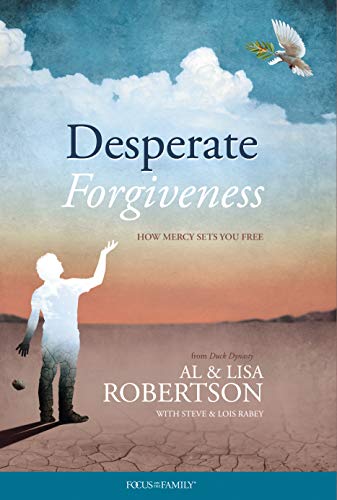
- Desperate Forgiveness
- The Healing Power of Forgiveness
- God Never Gives Up on You
- Forgiveness is a Choice
- The Place of Tides
- Nurturing the Heart
- The Forgiveness Habit
- I Forgave Everyone. Except Myself
- Meditations on Forgiveness
- A Reason to Stay
- Forgiven To Forgive
- Don’t Apologize; Don’t Say, “I’m Sorry.”
| Book Name | Author | Published |
|---|---|---|
| Six Stories- Zen Parables on Love, Forgiveness | Jai Deep | 2026 |
| Desperate Forgiveness | Al Robertson, Lisa Robertson | 2019 |
| The Healing Power of Forgiveness | Ray Pritchard | 2005 |
| God Never Gives Up on You | Max Lucado | 2023 |
| Forgiveness is a Choice | Robert D. Enright PhD | 2023 |
| The Place of Tides | James Rebanks | 2026 |
| Nurturing the Heart | ERLINDA ASA SABILI | 2026 |
| The Forgiveness Habit | Dean Eric Smith | 2024 |
| I Forgave Everyone. Except Myself | Sienna Thorne | 2025 |
| Meditations on Forgiveness | S. Morgan Friedman | 2025 |
| A Reason to Stay | Elise Meadows | 2026 |
| Forgiven To Forgive | Dr. Charles Newton | 2026 |
| Don’t Apologize; Don’t Say, “I’m Sorry.” | Rick Thomas | 2025 |
13 Best Books On Forgiveness to Read Next
1. Six Stories- Zen Parables on Love, Forgiveness
by Jai Deep

Overview
Six Stories- Zen Parables on Love, Forgiveness follows a disciple who spends seven years searching for the man who murdered his master, only to discover that the greatest battle is not against another person but against his own anger. Interwoven with a Zen monk’s daily question of presence, the collection offers short parables that explore love, forgiveness and awakening through simple yet profound reflections.
Book Details
| Author | Jai Deep |
| Pages | 58 pages |
| Published | July 20, 2026 |
| Language | English |
The book stands out for its brevity and depth, presenting each parable in a compact 58‑page format that invites multiple readings. Jai Deep’s writing is spare, allowing the moral core of each story to shine without distraction, while the Zen perspective adds a meditative quality that feels both timeless and immediate.
Readers will notice a rhythm of inquiry that mirrors the monk’s question, “Are you there?” This subtle prompt encourages active contemplation, making the experience feel more like a personal practice than a passive read. The narrative voice is calm, fostering a space where anger can be examined without judgment.
The work suits anyone seeking spiritual insight, especially those interested in Buddhist philosophy or looking for concise guidance on handling resentment. It also works well for teachers who want short, thought‑provoking texts to share in discussion groups or meditation circles.
“
True peace arises when we turn inward and confront our own anger rather than chasing external foes.
2. Desperate Forgiveness
by Al Robertson, Lisa Robertson

Overview
Desperate Forgiveness tells the story of Al and Lisa Robertson, known from Duck Dynasty, as they faced marital and family betrayal. With God’s help they discovered that only an all‑consuming, life‑altering forgiveness could sustain their love. The couple shares this message, aiming to guide anyone who wants to exchange brokenness for a renewed, forgiving heart.
Book Details
| Author | Al Robertson, Lisa Robertson |
| Pages | 240 pages |
| Publisher | Focus on the Family |
| Published | June 4, 2019 |
| Language | English |
The Robertson’s narrative is raw and relatable, blending personal testimony with faith‑based encouragement. Their voice is candid, describing the desperation that drove them to seek forgiveness, which gives the book an authentic, heartfelt tone that resonates with readers who have experienced similar hurts.
The writing balances storytelling with practical advice, offering concrete steps that stem from their own journey. The emphasis on divine assistance adds a spiritual layer that can be comforting for Christian readers, while the honesty about struggle keeps the message grounded and believable.
This book is a good fit for couples, families, and individuals wrestling with betrayal. Pastors or counselors may also find the couple’s experience useful as a real‑life illustration of forgiveness in action, and the relatively short 240‑page length makes it an accessible read for busy adults.
“
When love feels desperate, surrendering to forgiveness opens the path to lasting healing.
3. The Healing Power of Forgiveness
by Ray Pritchard

Overview
The Healing Power of Forgiveness argues that many life problems stem from an unwillingness to forgive. By holding grudges, seeking retribution, and blaming others, people damage their relationships with both God and fellow humans, ultimately short‑circuiting a life lived according to Christian principles. Ray Pritchard invites readers to let go of hurt and experience renewed intimacy with God.
Book Details
| Author | Ray Pritchard |
| Pages | 192 pages |
| Publisher | Harvest House Publishers |
| Published | July 1, 2005 |
| Language | English |
Ray Pritchard writes with a pastoral clarity that makes complex spiritual concepts approachable. The book’s 192‑page length allows for focused exploration without overwhelming the reader, and the language is direct, urging personal reflection on the cost of unforgiveness.
The central thesis, that forgiveness is essential for healthy relationships with God and others, is reinforced through practical examples and scriptural references. This blend of theology and everyday application gives the book a balanced tone that feels both instructional and encouraging.
Ideal for Christians seeking personal growth, the text also serves pastors and small‑group leaders looking for a concise resource on forgiveness. Its straightforward style makes it suitable for both individual study and guided discussion, offering a roadmap toward emotional and spiritual renewal.
“
Forgiveness unlocks the flow between our hearts and God, repairing the damage caused by lingering resentment.
4. God Never Gives Up on You
by Max Lucado

Overview
God Never Gives Up on You, narrated by author Max Lucado, explores how Jacob’s story illustrates God’s relentless grace, mercy, and love. The audiobook, a 2024 ECPA Christian Living Book of the Year winner, invites listeners to consider whether repeated failures disqualify them from God’s purpose, and encourages an encounter with divine, unending devotion.
Book Details
| Author | Max Lucado |
| Publisher | Thomas Nelson |
| Published | September 12, 2023 |
| Language | English |
Max Lucado’s narration adds a personal, warm layer to the already intimate storytelling. His familiar voice guides listeners through Jacob’s struggles, making the ancient narrative feel relevant to modern doubts about worthiness and divine patience.
The production quality is polished, with clear audio that enhances Lucado’s reflective tone. The unabridged format allows for full immersion in the themes of grace and redemption, giving space for listeners to pause and contemplate the lessons within each episode.
This audiobook is perfect for believers wrestling with feelings of inadequacy, as well as pastors seeking an engaging way to present biblical stories. Its three‑hour‑plus length makes it suitable for personal devotion, group listening sessions, or long commutes, offering a comforting reminder of God’s unyielding love.
“
Even the most flawed lives can be redeemed when God’s love refuses to give up.
5. Forgiveness Is a Choice
by Robert D. Enright PhD

Overview
Forgiveness is a Choice offers a step‑by‑step process for those trapped in anger, depression, and resentment after deep hurt. Created by Robert D. Enright, PhD, the author of the nation’s first scientifically proven forgiveness program, the book explains how forgiveness can reduce anxiety and restore hope, providing practical guidance grounded in research.
Book Details
| Author | Robert D. Enright PhD |
| Publisher | Highbridge Audio |
| Published | July 25, 2023 |
| Language | English |
| Series | APA LifeTools Series |
Enright blends scientific research with accessible self‑help techniques, making the book both credible and relatable. The structure is clear, guiding readers through stages of acknowledgment, emotional processing, and ultimately, the decision to forgive, which feels empowering rather than prescriptive.
The language is straightforward, avoiding jargon while still conveying the psychological underpinnings of forgiveness. This balance helps readers understand why forgiveness matters for mental health, and the actionable exercises encourage real‑world application beyond theory.
The audiobook, narrated by Kevin T. Collins, runs just under ten hours, allowing listeners to absorb the material at a comfortable pace. It’s an excellent resource for individuals battling chronic resentment, therapists looking for evidence‑based tools, and anyone interested in the science behind emotional healing.
“
Choosing forgiveness is a scientifically backed pathway to release anger and reclaim inner hope.
6. The Place of Tides
by James Rebanks

Overview
The Place of Tides is a nonfiction memoir by James Rebanks, the author of The Shepherd’s Life. The book reflects on a transformative summer the author spent on a remote island off the coast of Norway. Surrounded by remote waters, the narrative explores deep personal themes of isolation, forgiveness, and self-discovery.
Rebanks examines life through quiet isolation in this northern setting, turning a solitary season into an exploration of inner change. It captures a life-changing period spent far away from ordinary routines, providing space for reflection and emotional renewal.
Book Details
| Author | James Rebanks |
| Pages | 304 pages |
| Publisher | Mariner Books |
| Published | October 13, 2026 |
| Language | English |
James Rebanks brings a thoughtful nature writing perspective to personal renewal in The Place of Tides. His memoir centers on isolation, forgiveness, and self-discovery during a quiet summer spent on a remote Norwegian island. The reflective prose creates an atmospheric backdrop that supports honest contemplation.
Spanning 304 pages, this release from Mariner Books gives readers plenty of space to sit with deep themes. The narrative focuses on how physical distance from ordinary life allows difficult emotions to settle and mend. It provides a patient look at inner healing without rushing the underlying emotional work.
This title suits memoir lovers who appreciate quiet reflections on landscapes and solitary living. It serves as a fitting gift for readers seeking perspective during difficult life transitions. Anyone interested in exploring forgiveness through the lens of remote natural settings will connect with the material.
“
A modern classic, one we very much need right now.
7. Nurturing the Heart
by ERLINDA ASA SABILI

Overview
Nurturing the Heart is a Christian guide by ERLINDA ASA SABILI focused on forgiveness and calming inner peace. Written for faithful Christian women, the book addresses the hidden weight of tiredness, anxiety, and lingering emotional heaviness. Many believers serve and pray while still wrestling with racing thoughts, aching wounds, and unresolved guilt.
Sabili acknowledges that true forgiveness often feels harder than people admit, offering guidance for those who feel burdened in their faith. It provides direct support for readers seeking relief from long-held pain and mental exhaustion.
Book Details
| Author | ERLINDA ASA SABILI |
| Pages | 156 pages |
| Publisher | Independently published |
| Published | March 9, 2026 |
| Language | English |
ERLINDA ASA SABILI addresses the quiet struggles of faithful believers in Nurturing the Heart. The text explores how Christian women can manage lingering guilt, old hurts, and nighttime anxiety. Her writing maintains an understanding tone that validates the pain of difficult emotional burdens.
At 156 pages, this independently published book offers a concise and focused format. The content concentrates directly on finding inner calm and learning how to release past injuries through spiritual faith. Short chapters help tired readers digest the concepts without feeling overwhelmed by heavy theory.
This release suits women seeking practical reassurance while navigating unresolved spiritual or emotional wounds. It also works well as a supportive present for church friends facing quiet fatigue or stress. Group leaders looking for accessible material on Christian healing may find value in its gentle themes.
“
True spiritual peace comes when faithful women release lingering guilt and allow their deepest wounds to heal through forgiveness.
8. The Forgiveness Habit
by Dean Eric Smith

Overview
The Forgiveness Habit presents the true journey of author Dean Eric Smith, who faced extreme tragedy after his mother was murdered. The book recounts his decision to forgive, reconcile with, and ultimately help save the life of the man responsible. Featured in the documentary Live to Forgive, Smith combines his personal story with scripture, extensive research, and real-life testimonies.
Through these varied perspectives, the narrative examines the power of choosing reconciliation over bitterness. The work provides a comprehensive exploration of healing after profound suffering and trauma.
Book Details
| Author | Dean Eric Smith |
| Pages | 262 pages |
| Publisher | Redemption Press |
| Published | November 12, 2024 |
| Language | English |
Dean Eric Smith offers an extraordinary account of reconciliation in The Forgiveness Habit. The author explores the reality of pardoning his mother’s killer, sharing insights gained from this profound test of character. His voice remains grounded while detailing an emotional path toward genuine mercy and redemption.
Published by Redemption Press, the volume covers 262 pages of narrative, scripture, and research. Smith blends individual testimony with wider evidence to show how consistent forgiveness can become an active practice. The structured layout allows readers to study the principles behind extreme reconciliation in everyday contexts.
This title suits readers who need strong proof that deep emotional restoration remains possible after severe loss. It serves as an inspiring study for faith groups, counselors, and mentors handling grief or conflict. Anyone searching for practical Christian teachings on mercy will find meaningful guidance across its pages.
“
Choosing reconciliation over vengeance can overcome profound grief and transform tragic loss into an enduring practice of mercy.
9. I Forgave Everyone. Except Myself
by Sienna Thorne

Overview
I Forgave Everyone. Except Myself by Sienna Thorne focuses on overcoming internalized guilt and shame. The book highlights how individuals frequently extend forgiveness to others, staying silent and holding in hurts simply to keep the peace. However, those same people often punish themselves in silence and struggle with self-acceptance.
Thorne gently guides readers through the process of acknowledging self-directed blame and learning how to release lingering guilt. Her writing addresses the silent burden of self-condemnation, helping people discover how to finally feel free within their own skin.
Book Details
| Author | Sienna Thorne |
| Pages | 82 pages |
| Published | May 28, 2025 |
| Language | English |
Sienna Thorne identifies a common emotional blind spot in I Forgave Everyone. Except Myself. The book examines why people easily forgive outside offenses while subjecting themselves to persistent, silent punishment. Her gentle writing style creates a safe, comforting space for readers carrying unresolved personal shame.
At 82 pages, this digital edition offers a concise guide equipped with features like Word Wise and Page Flip. The compact length makes it easy to complete in a few sittings without emotional burnout. Readers can absorb the focused lessons quickly whenever they require immediate reassurance and self-directed compassion.
This release suits individuals who constantly prioritize the peace of others over their own emotional wellness. It makes an understanding gift for friends or relatives dealing with perfectionism and lingering guilt. Readers wanting clear, quick help with self-forgiveness will appreciate its warm and accessible guidance.
“
True freedom begins when you extend the same mercy and gentle forgiveness to yourself that you give to others.
10. Meditations on Forgiveness
by S. Morgan Friedman

Overview
Meditations on Forgiveness asks whether forgiveness is a virtue, a weakness, or simply a tool for releasing ancient grudges. S. Morgan Friedman leads readers on a raw, fearless journey into the deepest corners of anger, revisiting a single life‑altering rupture that serves as a lens for deeper examination.
The 256‑page work blends personal narrative with reflective analysis, encouraging readers to confront the hidden forces that sustain resentment. Enhanced e‑book features such as screen‑reader support make the material accessible for a broad audience seeking transformative insight.
Book Details
| Author | S. Morgan Friedman |
| Pages | 256 pages |
| Published | May 19, 2025 |
| Language | English |
S. Morgan Friedman treats forgiveness as a practical tool instead of a moral ideal, urging readers to examine the anger that fuels long‑standing grudges. The narrative centers on a single rupture, using it as a mirror for self‑reflection. It challenges the idea that forgiveness is passive, calling for active engagement with painful memories.
At 256 pages, the e‑book offers typesetting and compatibility that make the material approachable. Friedman’s prose is direct, often bordering on raw, yet balanced by moments of quiet insight that give readers space to process each revelation. The layout supports easy navigation through its page‑flip feature.
Faith‑centered romance readers will find the novel a comforting addition, and it makes a thoughtful gift for those seeking depth rather than superficial reassurance. Counselors might use excerpts to discuss the balance between independence and interdependence. Teachers can also draw on its setting to explore community and personal transformation.
“
Forgiveness becomes a tool to release ancient grudges and confront hidden anger.
11. A Reason to Stay
by Elise Meadows

Overview
A Reason to Stay follows Malinda Kanagy, a widowed Amish woman whose life is built on hard work and quiet perseverance. She has spent her whole life believing she must earn everything, while the male protagonist returns to settle his father’s estate and discovers the lesson of receiving grace.
Elise Meadows weaves this tension between self‑reliance and the humility of being cared for into a heartfelt romance. At 479 pages the story balances cultural detail with emotional momentum, offering a gentle yet compelling narrative.
Book Details
| Author | Elise Meadows |
| Pages | 479 pages |
| Published | September 3, 2026 |
| Language | English |
Elise Meadows introduces Malinda Kanagy, a widowed Amish woman whose life rests on hard work and quiet perseverance. She believes she must earn everything, while the male lead returns to settle his father’s estate and learns a lesson in receiving grace. Their paths explore the tension between self‑reliance and humility.
At 479 pages, the e‑book offers enhanced typesetting and screen‑reader support, letting readers move smoothly through the story. Meadows writes with a gentle cadence that mirrors Amish rhythm, while providing enough emotional momentum to keep romance fans engaged. The page‑flip function adds convenience for quick, tactile reading.
Faith‑centered romance readers will find the novel a comforting addition, and it makes a thoughtful gift for those who enjoy cultural detail and gentle growth. Counselors might use excerpts to discuss the balance between independence and interdependence. Teachers can also draw on its setting to explore community and personal transformation.
“
Grace is learned when we stop earning everything and allow ourselves to be received.
12. Forgiven to Forgive
by Dr. Charles Newton

Overview
Forgiven To Forgive addresses the lingering pain of deep emotional wounds that do not simply fade away with time. Betrayals, broken promises, harsh words, and serious injustices can continue to trouble the human heart long after the initial event has passed. While readers may know that Scripture calls for forgiveness, many still struggle with what that command truly requires in everyday life. This short guide examines that personal challenge when facing painful experiences.
Book Details
| Author | Dr. Charles Newton |
| Pages | 56 pages |
| Publisher | Independently published |
| Published | August 5, 2026 |
| Language | English |
Dr. Charles Newton focuses on the spiritual hurdles of moving past serious personal hurt. His book, Forgiven To Forgive, examines how events like broken promises or unfair treatment can leave lasting marks on the heart. Newton looks closely at the common gap between knowing biblical teachings and practicing them during hard times.
At just 56 pages, the volume offers a brief and focused reading experience. The writing addresses readers who want clear insights without working through a massive theological text. It provides a compact format that can be easily finished in a single sitting.
This concise English book suits readers working through past betrayals or deep wounds. It also serves as a thoughtful gift for Christian readers seeking guidance on forgiveness during difficult moments. Anyone wrestling with what Scripture requires after an injustice will find this a practical resource.
“
Letting go of deep hurt requires understanding what true biblical forgiveness asks of the human heart.
13. Don’t Apologize; Don’t Say, “I’m Sorry.”
by Rick Thomas

Overview
In Don’t Apologize; Don’t Say, “I’m Sorry.”, author Rick Thomas explores the psychology of apologies and the cultural norms that surround them. The book draws directly from principles of biblical wisdom to help individuals evaluate how they seek and grant reconciliation. Thomas challenges readers to rethink their traditional habits when asking for pardon or admitting fault.
This transformative work encourages a deeper perspective on personal communication, urging people to look past conventional phrases and examine what genuine reconciliation requires within everyday human relationships.
Book Details
| Author | Rick Thomas |
| Pages | 114 pages |
| Publisher | Life Over Coffee |
| Published | February 21, 2025 |
| Language | English |
Rick Thomas offers a fresh perspective by examining the psychology of apologies alongside everyday cultural norms. Published by Life Over Coffee, this 114-page book invites readers to look closely at standard phrases that people often say without thinking. The author uses biblical wisdom to challenge traditional habits and explore deeper repentance.
At just over a hundred pages, the English text provides a concise reading experience that avoids unnecessary filler. The focused length helps readers digest the core concepts without feeling overwhelmed. Its straightforward structure allows individuals to reflect carefully on their own conversational habits.
This title suits readers who want to move beyond superficial phrases in their personal relationships. It is also a thoughtful option for gift buyers seeking faith-based guidance on reconciliation and practical forgiveness. Anyone interested in biblical wisdom and communication will find value across its pages.
“
Relying on biblical wisdom, this book urges people to rethink standard apologies to achieve genuine reconciliation.
How to Choose the Best Books on Forgiveness
Forgiveness can feel like a heavy mountain to climb, especially when old wounds still sting. Finding the right book can make the journey feel much less lonely and far more achievable. Because people process grief, hurt, and reconciliation differently, the best title for one reader might not suit another. Taking a moment to weigh your personal needs before choosing a book will help you find guidance that truly resonates.
Clarify Your Primary Goal and Emotional Readiness
Before you pick up any title, it helps to ask what kind of healing you are looking for right now. Some people are wrestling with deep interpersonal hurt, while others are carrying a heavy burden of self-blame. If your struggle is turning grace inward, a title like I Forgave Everyone. Except Myself speaks directly to that internal conflict. Readers dealing with severe betrayal might instead need structured guidance to rebuild their boundaries without bitterness.
Your spiritual outlook also plays a significant part in this decision. Readers who find strength in Christian scripture often gravitate toward faith-centred reflections such as God Never Gives Up on You or Forgiven To Forgive. These books frame pardon through divine love and biblical narrative, offering reassurance to believers. In contrast, readers seeking psychological frameworks or secular philosophies may prefer titles that ground their advice in emotional health and clinical insight.
It is equally important to gauge how much emotional weight you can handle today. Diving straight into intense trauma or raw memoirs can feel overwhelming if you are in the middle of a fresh crisis. Books like Desperate Forgiveness or A Reason to Stay tackle acute emotional strain and require readiness for vulnerable reflection. If you feel fragile, starting with gentle encouragement or contemplative perspectives may be a safer entry point.
Evaluate the Balance Between Theory and Practical Exercises
Some readers want to understand the deep psychology behind grudges, while others just need actionable steps to get through the day. A theoretical book explains the mechanisms of resentment, empathy, and emotional freedom in great detail. These books help clarify why your mind holds onto pain, which can be validating on an intellectual level. However, understanding the theory does not always show you how to let go when old memories surface.
If you prefer active problem-solving, look for books that include guided journals, daily prompts, or stepwise exercises. A title such as The Forgiveness Habit offers routine-based methods designed to shift daily patterns of thinking. Similarly, Forgiveness is a Choice provides a therapeutic framework that guides readers step by step toward emotional release. These practical formats are ideal for readers who want to track their progress and practice specific techniques over time.
The table below outlines common approaches to forgiveness literature to help you decide which structure matches your current state of mind.
| Reading Approach | Primary Focus | Ideal Reader |
|---|---|---|
| Habit and Practice | Daily exercises, prompts, and actionable steps | Readers wanting concrete tools to build emotional resilience |
| Structured Therapy | Psychological models, boundary setting, and decision frameworks | People working through deep interpersonal betrayals |
| Spiritual and Faith-Based | Scriptural lessons, divine grace, and spiritual renewal | Believers looking to reconcile faith with personal hurt |
| Narrative and Parable | Storytelling, metaphor, and contemplative life lessons | Readers who absorb wisdom best through real or symbolic stories |
Think about how you typically process advice in other areas of life. If you rarely complete workbook exercises, an activity-heavy title might end up abandoned on your nightstand. Selecting an approach that fits your natural learning habits ensures you will finish the book and absorb its lessons.
Consider Writing Style and Narrative Approach
The voice of the author sets the entire tone for your healing experience. Some authors write with the warmth of a close friend, while others adopt the authoritative tone of a clinician or spiritual teacher. In Nurturing the Heart, for example, the focus leans into gentle emotional care and personal renewal. Finding a tone that feels comforting rather than clinical can make a difficult subject much easier to digest.
Storytelling is another powerful vehicle for understanding complex emotions. A collection like Six Stories- Zen Parables on Love, Forgiveness uses allegories and timeless tales to illustrate profound truths in an indirect way. In a different vein, narrative works such as The Place of Tides weave personal experience, landscape, and reflection together. These narrative styles allow you to draw your own conclusions without feeling lectured by the author.
On the other hand, you might prefer direct, unconventional, or candid advice that cuts through polite excuses. A title like Don’t Apologize; Don’t Say, “I’m Sorry.” takes a sharp look at communication habits, social expectations, and personal accountability. Readers who feel frustrated by standard self-help clichés often appreciate an author who challenges conventional wisdom. Matching the author’s voice to your personality prevents friction while you read.
Assess Format, Pacing, and Reading Length
Emotional reading takes stamina, which makes format and page count surprisingly important factors. Long, dense volumes can sometimes feel like a daunting homework assignment, especially when you are already feeling depleted. Shorter books or collections arranged as daily entries allow you to digest profound concepts in brief, manageable sittings. Titles like Meditations on Forgiveness or The Healing Power of Forgiveness lend themselves well to steady, contemplative reading.
You should also consider whether a physical book or a digital format fits your lifestyle better. A physical paperback or hardcover is wonderful for highlighting passages, making margin notes, and keeping on a bedside table. Digital formats offer privacy, which can be comforting if you prefer not to display titles about personal struggles in public spaces. Audiobooks can also be a soothing alternative, letting you absorb supportive words while walking, commuting, or resting.
Take note of how the chapters are divided before making your final selection. Short chapters with clear subheadings make it easier to pause and reflect after emotional sections. Give yourself permission to read slowly, setting the book aside whenever you need time to integrate what you have learned. The right book will meet you where you are, offering patient support every step of the way.
How Much Impact Can Books About Forgiveness Have?
When you pick up a book about forgiveness, the first thing you notice is the gentle invitation to look inward. A well‑written story or a thoughtful meditation can open a small door in the mind, letting you see a conflict from a new angle. The shift often feels quiet at first, like a breath that settles after a rush of emotion.
Most readers report that the initial insight arrives within a few pages, but the deeper feeling of release may take weeks of reflection.
Books such as Six Stories‑ Zen Parables on Love use short, vivid scenes to illustrate how letting go can be an everyday practice. The parables are brief enough to read in a single sitting, yet each one contains a layer of meaning that reveals itself on subsequent readings.
This layered approach mirrors the way forgiveness works in real life: the first reading may spark curiosity, the second may bring a sense of empathy, and a third can inspire a concrete step toward reconciliation.
For younger readers, titles like Nurturing the Heart blend simple language with bright illustrations that model caring behavior. The visual cues help children recognize facial expressions of hurt and relief, making the abstract idea of forgiveness more tangible. When a parent reads the story aloud and pauses to ask, “How do you think the character felt?” the child practices putting emotions into words, a skill that supports real‑world conflict resolution.
Adults often gravitate toward memoir‑style works such as God Never Gives Up on You, where the author shares personal struggles and the gradual process of forgiving themselves and others. The narrative tone is conversational, which can make the reader feel less judged and more understood. This feeling of connection can reduce the resistance that sometimes blocks the willingness to try forgiveness in one’s own life.
The impact of a forgiveness book also depends on the reader’s current emotional state. If someone is in the midst of a fresh dispute, a gentle story may provide a calming pause, while a more direct guide like The Forgiveness Habit offers step‑by‑step exercises that can be applied immediately. The exercises are designed to be short, often requiring just a few minutes a day, which makes them realistic for busy schedules.
One practical way to deepen the effect is to keep a short journal while reading. Jotting down a sentence or two after each chapter helps capture the moment’s insight before it fades. Over time the journal becomes a map of progress, showing patterns of recurring triggers and the moments when forgiveness felt most attainable.
Discussion groups amplify the learning experience. When a book like Desperate Forgiveness is read in a book club, participants bring diverse perspectives that challenge each other’s assumptions. Talking about the characters’ choices or the author’s reflections can surface hidden feelings, and hearing how others have applied similar ideas can spark new strategies.
Re‑reading is another powerful tool. Because forgiveness is a skill that develops gradually, returning to a favorite passage after a month can reveal nuances missed the first time. A line that seemed merely comforting may later read as a call to action, prompting the reader to try a specific conversation they had avoided.
It is important to recognize the limits of any single book. A story can inspire, but lasting change often requires consistent practice, support from trusted friends, or professional guidance when trauma is involved. Books do not replace therapy, but they can complement it by offering language and frameworks that make the therapeutic work feel less abstract.
For educators, titles like Forgiveness is a Choice provide classroom‑friendly activities that encourage students to practice empathy in a safe environment. The activities are designed for group work, allowing children to role‑play scenarios and see the immediate benefits of choosing forgiveness over retaliation. This early exposure can lay a foundation that supports healthier relationships later in life.
Gift buyers often look for books that carry both emotional depth and a beautiful presentation. A volume such as The Healing Power of Forgiveness combines reflective essays with elegant typography, making it a thoughtful present for someone navigating a difficult transition. The physical appearance of the book can reinforce the sense that the act of forgiving is a valued, intentional process.
Getting the Most Out of Forgiveness Books
Start by setting a modest goal: read one chapter, then pause to reflect on a recent conflict. Write a brief note about what the author suggests and how it relates to your own experience. If the book includes exercises, try them in a low‑stakes setting before applying them to a more charged situation.
Pair the reading with a supportive conversation. Share a key insight with a friend or family member and ask how they might see the same idea in their life. Listening to another perspective can sharpen your own understanding and reveal blind spots.
Finally, treat the book as a companion rather than a cure. Return to it when you feel stuck, and let its pages remind you that forgiveness is a habit that can be cultivated over time. With patience, curiosity, and a willingness to apply what you learn, the modest pages of a forgiveness book can become a steady guide on a long, rewarding journey.
Frequently Asked Questions
What Is the Best Book to Help Someone Forgive Themselves?
Many readers find that forgiving personal mistakes is far harder than pardoning other people. Books that address self forgiveness usually explore guilt, shame, and the internal critic that keeps painful memories alive. A title like I Forgave Everyone. Except Myself focuses directly on this internal struggle, offering readers space to confront past regrets with compassion. These works guide you away from repetitive self blame and help you understand that human errors do not define your entire life.
When choosing a guide for self forgiveness, look for authors who balance emotional validation with practical cognitive tools. Helpful books often include self reflection prompts, journaling exercises, and mindfulness techniques designed to break patterns of rumination. They remind readers that self acceptance is an ongoing practice rather than an instant transformation. Reading personal accounts alongside therapeutic advice can make the journey feel much less isolating for anyone carrying silent regret.
How Do Psychology Books Approach Forgiveness Differently from Religious Titles?
Psychological guides focus primarily on mental health, emotional boundaries, and cognitive behavioral reframing. A work such as Forgiveness is a Choice approaches the topic through systematic clinical research and intentional decision making. In these books, forgiving is treated as a personal therapeutic tool to lower blood pressure, reduce chronic anxiety, and detach from emotional pain. The central goal is restoring personal autonomy and mental well-being regardless of external beliefs.
Religious and spiritual titles, on the other hand, ground the concept of pardon in divine grace and sacred community. Books like God Never Gives Up on You or Forgiven To Forgive explore mercy as an extension of spiritual duty and divine love. They emphasize compassion, humility, and the belief that humans forgive because they have received unconditional grace themselves. Both perspectives can be deeply restorative, but they address different emotional and spiritual needs of readers.
Are There Daily Devotional or Habit-Building Books for Practicing Forgiveness?
Yes, many readers prefer bite-sized daily readings instead of long analytical textbooks when working through emotional wounds. Titles like The Forgiveness Habit and Meditations on Forgiveness are structured specifically to provide consistent, manageable guidance over several weeks or months. These books typically offer short reflections, focused affirmations, and simple actions designed to integrate pardon into your everyday routine. Taking in a few pages each morning helps keep personal peace at the front of your mind.
A daily reading format prevents emotional overwhelm by breaking a heavy, complex topic into gradual steps. Readers can absorb a single insight each day without feeling pressured to resolve years of trauma overnight. This steady rhythm trains the mind to respond to future conflicts with patience instead of immediate defensiveness. It is an ideal format for busy individuals who want steady personal growth without a massive time commitment.
What Should Someone Look for in a Book About Healing After Deep Betrayal?
Healing from profound betrayal requires books that do not rush the reader into premature reconciliation. Titles such as Desperate Forgiveness and The Healing Power of Forgiveness recognize that true pardon takes serious time, grief, and emotional honesty. You should look for authors who validate anger, shock, and sadness before they ever ask you to let go of a grievance. Books that dismiss genuine trauma or minimize broken trust often leave readers feeling alienated and invalidated.
Strong guides on betrayal also clearly distinguish between forgiving someone and staying in an unhealthy situation. They emphasize boundary setting, self preservation, and rebuilding personal trust after a major emotional rupture. Helpful volumes show that granting pardon does not mean forgetting the offense or excusing harmful behavior. A balanced resource gives you the strength to heal your own spirit while keeping healthy boundaries firmly intact.
Can Storytelling and Memoirs Help Readers Understand Forgiveness Better Than Guides?
Instructive manuals explain the psychological mechanisms of mercy, but stories show how it works within real human messiness. Titles like Six Stories- Zen Parables on Love, Forgiveness provide timeless allegories that help readers look at interpersonal conflict from a detached, peaceful vantage point. Narrative books illustrate that granting mercy is rarely a neat or linear event. Watching characters and historical figures struggle with real grievances provides empathy and perspective that abstract theories cannot easily match.
Memoirs and narrative reflections, such as The Place of Tides or A Reason to Stay, invite readers into deep emotional worlds without lecturing them. Seeing an author confront loneliness, grief, and family tensions helps you recognize your own emotional crossroads. Stories often linger in memory far longer than lists of analytical steps. They offer quiet comfort and inspiration by showing that enduring peace is possible even after severe hardship.
What Are Practical Exercises Found in Self Help Books on Forgiveness?
Practical forgiveness books offer structured tools to guide readers through difficult emotional territory. You will frequently find guided letter writing prompts, including unsent letters of raw grief and structured statements of release. Many books feature reflective questions that encourage readers to identify physical tension patterns and examine old relationship narratives. Books like Nurturing the Heart emphasize emotional self care techniques alongside these written exercises to keep the reader grounded.
Other popular activities include perspective taking exercises, mindfulness breathwork, and boundary mapping worksheets. Authors use these activities to help readers detach their current peace of mind from the actions of someone who wronged them. Working through tangible exercises turns abstract intentions into concrete psychological relief. Doing the physical writing makes the internal shift feel real, measurable, and lasting.
How Do I Choose Between a Christian Perspective and a Secular Guide on Forgiveness?
Choosing the right book depends entirely on the framework that provides you the most comfort and meaning. If your personal worldview is rooted in scripture, books like God Never Gives Up on You or Forgiven To Forgive offer rich spiritual comfort and biblical context. These titles explore redemptive grace, divine patience, and the moral strength that comes from a life of faith. They are particularly comforting for believers seeking spiritual peace alongside personal healing.
If you prefer research-backed insights or come from a non religious background, secular and behavioral guides are a better fit. A title like Don’t Apologize; Don’t Say, “I’m Sorry.” or Forgiveness is a Choice approaches interpersonal conflicts through communication habits, boundary setting, and cognitive choices. Secular works rely on clinical psychology, communication theory, and personal boundary maintenance without invoking religious obligation. Selecting a book aligned with your core values ensures you feel supported throughout your reading journey.
Last Word
Our top recommendation is Six Stories- Zen Parables on Love, Forgiveness for its gentle, reflective approach to healing lingering pain. If you prefer structured guidance, Forgiveness is a Choice suits readers who want clear psychological steps toward emotional recovery. For anyone struggling to release past self-blame, I Forgave Everyone. Except Myself provides warm encouragement and steady self-compassion.
When selecting your next read, consider where your emotional struggle currently lies. Some readers need quiet parables to soften their hearts, while others benefit from structured exercises and direct questions. Choose the specific guide that matches your comfort level so you can heal without feeling rushed.