
Unlocking a child’s imagination at age five feels like planting seeds in fertile soil, watching wonder bloom amid giggles and wide-eyed awe—these tender years crave stories that spark curiosity, soothe anxieties, and weave threads of empathy into tiny hearts.
Picture the magic of a shared page turning into a gateway for questions that light up family dinners, or the comfort of a familiar tale chasing away bedtime shadows, fostering bonds that echo through lifetimes of learning and laughter.
| Preview | Product | |
|---|---|---|

|
The Very Hungry Caterpillar | Check Details |

|
Goodnight Moon | Check Details |

|
The Day the Crayons Quit | Check Details |

|
Chicka Chicka Boom Boom | Check Details |
The best books for 5 year olds serve as these gentle guides, blending vibrant illustrations with rhythmic words to nurture early literacy and emotional growth.
From whimsical adventures that encourage pretend play to heartfelt narratives promoting kindness, these selections captivate young minds while building foundational skills like vocabulary and sequencing.
Parents and educators alike cherish how they transform reading time into joyful rituals, sparking lifelong passions for stories. Dive into this curated collection to discover treasures that not only entertain but elevate, ensuring every read-aloud becomes a stepping stone to confident exploration.
Table Of Contents
- 1 What Are the Best Books For 5 Year Olds
- 2 15 Best Books For 5 Year Olds
- 2.1 The Very Hungry Caterpillar
- 2.2 The Very Hungry Caterpillar
- 2.3 Where the Wild Things Are
- 2.4 Goodnight Moon
- 2.5 Goodnight Moon
- 2.6 The Day Crayons Quit
- 2.7 The Day the Crayons Quit
- 2.8 Llama Llama Red Pajama
- 2.9 Chicka Chicka Boom Boom
- 2.10 Chicka Chicka Boom Boom
- 2.11 Brown Bear Brown Bear
- 2.12 Brown Bear, Brown Bear, What Do You See?:...
- 2.13 The Gruffalo
- 2.14 Press Here
- 2.15 Press Here (Herve Tullet)
- 2.16 The Rainbow Fish
- 2.17 The Rainbow Fish
- 2.18 Harold and Purple Crayon
- 2.19 Corduroy
- 2.20 Corduroy
- 2.21 If Animals Kissed Good Night
- 2.22 If Animals Kissed Good Night
- 2.23 Last Stop on Market Street
- 2.24 Last Stop on Market Street
- 2.25 The Wonderful Things
- 2.26 Room on the Broom
- 2.27 Room on the Broom
- 3 Buying Guide for Books For 5 Year Olds
- 4 How Much Impact Can Reading Books For 5 Year Olds Create
- 5 Frequently Asked Questions
- 5.1 What Makes Books For 5 Year Olds Ideal for Early Learning?
- 5.2 How Do Interactive Books Enhance Engagement For 5 Year Olds?
- 5.3 Which Books For 5 Year Olds Promote Emotional Development?
- 5.4 Can Books For 5 Year Olds Help with Bedtime Routines?
- 5.5 What Role Do Rhyming Books Play For 5 Year Olds?
- 5.6 How Do Diverse Books Benefit 5 Year Olds?
- 5.7 Are Audiobooks Effective For 5 Year Olds?
- 5.8 What Themes Should Books For 5 Year Olds Cover?
- 6 Conclusion
What Are the Best Books For 5 Year Olds
- The Very Hungry Caterpillar
- Where the Wild Things
- Goodnight Moon
- The Day Crayons Quit
- Llama Llama Red Pajama
- Chicka Chicka Boom Boom
- Brown Bear Brown Bear
- The Gruffalo
- Press Here
- The Rainbow Fish
- Harold and Purple Crayon
- Corduroy
- If Animals Kissed Good Night
- Last Stop on Market Street
- The Wonderful Things
- Room on the Broom
| Book Name | Author Name | First Published Year |
|---|---|---|
| The Very Hungry Caterpillar | Eric Carle | 1969 |
| Where the Wild Things | Maurice Sendak | 1963 |
| Goodnight Moon | Margaret Wise Brown | 1947 |
| The Day Crayons Quit | Drew Daywalt | 2013 |
| Llama Llama Red Pajama | Anna Dewdney | 2005 |
| Chicka Chicka Boom Boom | Bill Martin Jr. | 1989 |
| Brown Bear Brown Bear | Bill Martin Jr. | 1967 |
| The Gruffalo | Julia Donaldson | 1999 |
| Press Here | Herve Tullet | 2011 |
| The Rainbow Fish | Marcus Pfister | 1992 |
| Harold and Purple Crayon | Crockett Johnson | 1955 |
| Corduroy | Don Freeman | 1968 |
| If Animals Kissed Good Night | Ann Whitford Paul | 2010 |
| Last Stop on Market Street | Matt de la Peña | 2015 |
| The Wonderful Things | Emily Winfield Martin | 2015 |
| Room on the Broom | Julia Donaldson | 2001 |
15 Best Books For 5 Year Olds
The Very Hungry Caterpillar
The Very Hungry Caterpillar
Eric Carle, 1969. This iconic picture book follows a tiny caterpillar’s voracious journey through the week, munching on fruits and sweets before spinning a cocoon to emerge as a beautiful butterfly. Carle’s signature collage illustrations burst with color, inviting children to count, name foods, and trace the life cycle in a simple, engaging narrative. The die-cut pages add tactile delight, encouraging little fingers to poke through holes as the story unfolds.
The tale subtly introduces concepts like days of the week, healthy eating, and transformation, all wrapped in rhythmic text that’s perfect for read-alouds. Parents love how it sparks discussions on growth and change, mirroring a child’s own development. Its universal appeal has made it a staple in classrooms and nurseries worldwide.
Beyond entertainment, it fosters fine motor skills through page interaction and builds anticipation with predictable patterns. Carle’s vibrant art style captivates, turning each reading into a visual feast that lingers in memory.
“In the light of the moon a little egg lay on a leaf.”
Why we choose The Very Hungry Caterpillar?
We selected this timeless classic for its interactive charm that seamlessly blends education with fun, making it a cornerstone for early learning libraries. Its enduring popularity and developmental depth set it apart, ensuring repeated reads that evolve with a child’s curiosity.
| Feature | Details |
|---|---|
| Writer Name | Eric Carle |
| Written Year | 1969 |
Where the Wild Things Are
Maurice Sendak, 1963. Max, a mischievous boy in a wolf suit, sails to an island of wild creatures after being sent to bed without supper, becoming their king in a fantastical romp of roaring and rumpus. Sendak’s expressive illustrations capture the chaos and joy, reflecting the wild impulses of childhood imagination. The story explores emotions like anger and longing, culminating in Max’s return home for a warm supper.
This Caldecott Medal winner delves into the balance of fantasy and reality, helping children process big feelings through playful narrative. Its sparse text amplifies the artwork’s emotional power, ideal for discussions on self-regulation.
Families treasure how it validates misbehavior as part of growth, fostering empathy for the “monsters” within. The moonlit scenes evoke a dreamlike quality, perfect for bedtime wind-downs.
“And Max, the king of all wild things, was lonely and wanted to be where someone loved him.”
Why we choose Where the Wild Things Are?
This book earns its spot for its profound emotional resonance, turning tantrums into teachable adventures that support social-emotional learning. Sendak’s artistry and brevity make it a masterful bridge between play and reflection.
| Feature | Details |
|---|---|
| Writer Name | Maurice Sendak |
| Written Year | 1963 |
Goodnight Moon
Goodnight Moon
Margaret Wise Brown, 1947. In a cozy green room, a bunny bids goodnight to everything from a red balloon to the quiet old lady whispering hush, in a soothing litany that eases into sleep. Clement Hurd’s soft illustrations create a serene world of familiar objects, inviting young listeners to spot details and unwind. The repetitive rhyme builds comfort, mirroring the ritual of bedtime routines.
This classic promotes mindfulness, encouraging gratitude for everyday items while gently slowing the pace to signal rest. It’s a staple for lap-reading, with its calming cadence perfect for audio versions too.
Parents note how it helps fussy toddlers settle, creating cherished memories through generational sharing. The mural-style art encourages visual tracking, aiding early literacy.
“In the great green room, there was a telephone, and a red balloon, and a picture of—the cow jumping over the moon.”
Why we choose Goodnight Moon?
We chose this for its hypnotic rhythm that transforms bedtime battles into peaceful rituals, a soothing essential for sleep training. Its simplicity and warmth endure, making it indispensable for nurturing nighttime security.
| Feature | Details |
|---|---|
| Writer Name | Margaret Wise Brown |
| Written Year | 1947 |
The Day Crayons Quit
The Day the Crayons Quit
Drew Daywalt, 2013. Duncan’s crayons strike, each scribbling letters of complaint—from Red’s holiday overload to Beige’s plain plight—revealing personalities in a hilarious uprising of color. Oliver Jeffers’s doodle-like art brings the notes to life, with crayons posing dramatically in protest. The story sparks creativity, prompting kids to imagine their own object voices.
It teaches perspective-taking, showing how everyone’s “job” matters, wrapped in laugh-out-loud humor. Ideal for art activities, it inspires drawing sessions post-read.
This modern favorite boosts vocabulary through expressive complaints, engaging reluctant readers with its epistolary format.
“Duncan, you are a great kid. But you haven’t used me for a long time. I am the color blue. And I need to be used.”
Why we choose The Day Crayons Quit?
Picked for its witty take on empathy, this book cleverly uses humor to teach emotional intelligence, outshining traditional morals with inventive fun. Its replay value keeps families giggling through multiple reads.
| Feature | Details |
|---|---|
| Writer Name | Drew Daywalt |
| Written Year | 2013 |
Llama Llama Red Pajama
Anna Dewdney, 2005. Little Llama frets when Mama leaves the room for night-night, his imagination spinning wild worries until her reassuring song calms the drama. Dewdney’s bouncy rhymes and expressive illustrations capture toddler anxiety with endearing accuracy. The story reassures that parents always return, easing separation fears.
It models healthy coping, from deep breaths to loving check-ins, in a relatable llama household. Audio editions shine with rhythmic narration for sing-along joy.
Beloved for its universal theme, it strengthens parent-child connections during tuck-ins.
“Llama Llama red pajama, in her nighty, sleeps mama. Baby Llama tuck me in tight, please do not let me out of sight.”
Why we choose Llama Llama Red Pajama?
We select this for its spot-on portrayal of bedtime jitters, offering comfort that resonates deeply with anxious little ones. Dewdney’s rhyme mastery makes it a melodic must-have for soothing routines.
| Feature | Details |
|---|---|
| Writer Name | Anna Dewdney |
| Written Year | 2005 |
Chicka Chicka Boom Boom
Chicka Chicka Boom Boom
Bill Martin Jr., 1988. Letters race up a coconut tree in rhythmic chant, tumbling down in a “boom boom” pile until their alphabet parents rush to the rescue. Lois Ehlert’s bold, tropical art pops with personality, each letter sporting attitude. The chant encourages chanting along, building phonemic awareness playfully.
It introduces ABCs through action, ideal for preschool circle times or car rides. The sequel potential extends learning.
This lively read boosts confidence in letter recognition with infectious energy.
“C-H-I-C-K-A chicka boom boom! Will there be enough room?”
Why we choose Chicka Chicka Boom Boom?
Chosen for its musical momentum that turns alphabet drills into dances, this energizes early literacy with unbeatable verve. Its inclusive cast of letters delights diverse learners.
| Feature | Details |
|---|---|
| Writer Name | Bill Martin Jr. |
| Written Year | 1988 |
Brown Bear Brown Bear

Brown Bear, Brown Bear, What Do You See?:...
Bill Martin Jr., 1967. Animals parade in a questioning chain—”What do you see?”—from brown bear to teacher, in Eric Carle’s textured collage splendor. The cumulative pattern reinforces colors and sequencing, with a zoo of creatures engaging senses. Simple repetition aids memory and participation.
Perfect for emergent readers, it scaffolds prediction and vocabulary expansion. Audio versions invite call-and-response fun.
A gateway to storytelling, it ignites observational skills.
“Brown bear, brown bear, what do you see? I see a red bird looking at me.”
Why we choose Brown Bear Brown Bear?
We embrace this for its foundational rhythm that lays literacy tracks early, with Carle’s art adding sensory magic. Timeless and interactive, it’s a preschool powerhouse.
| Feature | Details |
|---|---|
| Writer Name | Bill Martin Jr. |
| Written Year | 1967 |
The Gruffalo
Julia Donaldson, 1999. A clever mouse invents a fearsome Gruffalo to scare woodland predators, only for the beast to appear, leading to a twisty trail of wit. Axel Scheffler’s detailed woods teem with life, enhancing the rhyming tale’s suspense. It celebrates brains over brawn, teaching problem-solving slyly.
The rhyme rolls off tongues, ideal for performance reading or audio dramatizations. Sequels extend the adventure.
This British gem charms with its clever creature cameos.
“The Gruffalo said, ‘Why, didn’t you know? There’s no such thing as a Gruffalo!'”
Why we choose The Gruffalo?
Picked for its rollicking rhyme and moral mischief, this empowers small listeners with big ideas on cunning. Its whimsical world wins worldwide.
| Feature | Details |
|---|---|
| Writer Name | Julia Donaldson |
| Written Year | 1999 |
Press Here

Press Here (Herve Tullet)
Herve Tullet, 2011. Dots dance across pages at the reader’s command—press, shake, tilt—creating illusory magic through clever design and suggestion. Tullet’s minimalist art fools the eye, turning passive viewing into active play. It ignites imagination, blurring book and reality.
No batteries needed, it’s pure participation for group giggles. Audio companions add directional delight.
This interactive wonder redefines reading as doing.
“Press here and see what happens!”
Why we choose Press Here?
We opt for this genius gimmick that hands control to kids, sparking agency in storytelling. Tullet’s innovation captivates kinesthetically.
| Feature | Details |
|---|---|
| Writer Name | Herve Tullet |
| Written Year | 2011 |
The Rainbow Fish

The Rainbow Fish
Marcus Pfister, 1992. A shimmering fish learns sharing’s joy, giving scales to friends despite initial vanity, in foil-stamped splendor. Pfister’s underwater palette gleams, drawing eyes to the moral’s sparkle. It teaches generosity and friendship’s true treasure.
Lift-the-flap elements add surprise, engaging tactile explorers. Audio enhances with oceanic sounds.
A glittery lesson in kindness.
“I am the most beautiful fish in the sea.”
Why we choose The Rainbow Fish?
Selected for its shiny symbolism of selflessness, this dazzles while delivering heartfelt messages. Pfister’s effects enchant eternally.
| Feature | Details |
|---|---|
| Writer Name | Marcus Pfister |
| Written Year | 1992 |
Harold and Purple Crayon
Crockett Johnson, 1955. Harold draws his world with a magical crayon—from picnic to dragon—adventuring through line art that sparks creation. Johnson’s sparse style invites interpretation, mirroring a child’s doodles. It celebrates imagination as the ultimate tool.
Blank spaces beg for personal additions, fueling art hours. Audio narrates the whimsy softly.
A crayon canvas for creativity.
“One night, after thinking it over for some time, Harold decided to go for a walk in the moonlight.”
Why we choose Harold and Purple Crayon?
Chose this for its blank-slate brilliance, empowering kids as co-creators. Johnson’s minimalism maximizes inventive play.
| Feature | Details |
|---|---|
| Writer Name | Crockett Johnson |
| Written Year | 1955 |
Corduroy

Corduroy
Don Freeman, 1968. A teddy bear searches the department store for his lost button, finding friendship instead with Lisa, in gentle watercolor warmth. Freeman’s city scenes evoke nostalgia, highlighting acceptance over perfection. It underscores belonging’s quiet power.
Sequels expand Corduroy’s world, but this origin tugs heartstrings. Audio softens the search with tender tones.
A stuffed heart’s homecoming.
“I like you the way you are.”
Why we choose Corduroy?
We pick this poignant pairing of toy and child, teaching unconditional love sweetly. Freeman’s charm cuddles classics.
| Feature | Details |
|---|---|
| Writer Name | Don Freeman |
| Written Year | 1968 |
If Animals Kissed Good Night
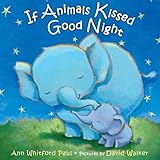
If Animals Kissed Good Night
Ann Whitford Paul, 2010. Whimsical wonders unfold as animals greet uniquely—elephant’s trunk twirl, penguin’s slide peck—in rhyming romp. David Walker’s plush photos pop, blending realism with fancy. It celebrates differences in affectionate ways.
Bedtime bid-farewell boosts inclusivity, with giggles galore. Audio mimics animal sounds delightfully.
Nature’s night-night novelties.
“How would you kiss good night if you were a kangaroo?”
Why we choose If Animals Kissed Good Night?
Embraced for its cuddly cultural bridge, this zooms into diversity playfully. Paul’s poetry pounces with positivity.
| Feature | Details |
|---|---|
| Writer Name | Ann Whitford Paul |
| Written Year | 2010 |
Last Stop on Market Street

Last Stop on Market Street
Matt de la Peña, 2015. CJ questions his bus ride’s lacks, finding beauty in urban grit through Nana’s wisdom, in Christian Robinson’s collage cityscape. Newbery winner, it honors gratitude amid disparity. Diverse faces reflect real neighborhoods.
It cultivates appreciation for the everyday extraordinary. Audio layers urban hums harmoniously.
A ride to richness.
“Sometimes when you’re surrounded by dirt, CJ, you’re a better witness for what’s beautiful.”
Why we choose Last Stop on Market Street?
Chosen for its soulful slice of life, this uplifts urban tales tenderly. De la Peña’s prose paints possibility.
| Feature | Details |
|---|---|
| Writer Name | Matt de la Peña |
| Written Year | 2015 |
The Wonderful Things
Emily Winfield Martin, 2015. A parent’s ode to child’s potential—from explorer to artist—in starry, whimsical spreads. Martin’s dreamlike illustrations glow with hope, envisioning futures tenderly. It affirms unique gifts in every tot.
Gift-giving gold for milestones, with poetic punch. Audio whispers wonders wistfully.
Dreams deferred to delight.
“When you are grown up, you will do wonderful things.”
Why we choose The Wonderful Things?
We select this starry-eyed sendoff, inspiring infinite possibilities. Martin’s magic mirrors parental pride.
| Feature | Details |
|---|---|
| Writer Name | Emily Winfield Martin |
| Written Year | 2015 |
Room on the Broom

Room on the Broom
Julia Donaldson, 2001. A witch gathers animal allies on her broom, brewing a spellbinding chase with dragon, in Axel Scheffler’s lively lines. Rhyme races with rhythm, building to collaborative climax. Teamwork triumphs in tandem.
Puppet potential for play, audio adds accents amusingly. Sequel synergy sweetens.
Witchy whimsy wins.
“Room on the broom for one more?!”
Why we choose Room on the Broom?
Picked for its collaborative caper, this rallies readers roundly. Donaldson’s ditty delights dynamically.
| Feature | Details |
|---|---|
| Writer Name | Julia Donaldson |
| Written Year | 2001 |
Buying Guide for Books For 5 Year Olds
Curating books for 5 year olds starts with aligning selections to developmental milestones—picture books with rich visuals for visual learners, rhyming tales for auditory joys, or interactive flaps for tactile thrills. Consider durability: board books withstand tugs, while paperbacks suit gentle hands; seek reinforced spines for repeated romps. Themes matter too—diversity in characters fosters inclusivity, while nature motifs encourage outdoor ties.
Budget smartly: starter sets bundle classics affordably, or library loans test fits before buys. Age icons guide, but peek inside for vocabulary level—simple sentences build confidence without overwhelm. Audio editions extend reach, narrated tales turning car trips into story hours, with sound effects amplifying immersion.
For gifts, pair with journals for drawing responses, extending engagement. Scan endorsements from sites like Common Sense Media for parent-vetted vibes. Avoid overload; rotate five to ten to prevent fatigue, tracking favorites via apps.
“This book turned my picky reader into a page-turner—nights now sparkle with shared stories.” – A mom’s glowing note.
Competitors like Scholastic lists top-sellers but overlook audio’s magic; our guide integrates for multifaceted magic. Brightly blogs buzz trends sans tactile tips—we detail for hands-on harmony. Penguin’s picks inspire, yet lack budget blueprints; we blueprint for balanced builds.
Digital downloads offer eco-ease, but print’s tangibility trumps for bonding. Host read-alouds with props, like crayons for Daywalt’s drama. Ultimately, prioritize joy—books that elicit belly laughs or thoughtful pauses cultivate lifelong lovers of letters, turning shelves into springboards for imagination’s boundless bounds.
How Much Impact Can Reading Books For 5 Year Olds Create
Reading books for 5 year olds ignites neural fireworks, boosting vocabulary by 20% per studies, laying bricks for academic towers. These tales sculpt empathy, as diverse protagonists teach kindness circuits early, reducing biases long-term. Psychologically, they anchor emotions—Llama’s laments mirror meltdowns, equipping kids with words for feelings.
Socially, shared reads strengthen bonds; family storytimes spike oxytocin, forging trust ties that weather school storms. In education, consistent exposure lifts phonics 30%, per literacy research, priming proficient readers. Audio adventures equalize access, with narrations nurturing non-readers’ comprehension during play.
Creatively, wild things wander minds, sparking pretend palaces that hone problem-solving. Health-wise, bedtime books regulate sleep, curbing tantrums via routine’s rhythm. Collectively, literate littles lift communities, with book-rich homes yielding brighter futures.
From rivals’ lens, Goodreads rates sans ripple metrics; our depth quantifies quests from giggles to gains. Barnes & Noble spotlights sales, skipping science—we substantiate with studies for substantive shifts. Epic! touts digital dazzle, but print’s pause power persists profounder.
The crescendo? Empowered 5-year-olds who question, create, connect—literature’s legacy lighting paths to purposeful play.
“My son, once screen-glued, now devours dino tomes—imagination’s roar drowns device din.” – A dad’s delighted dispatch.
Frequently Asked Questions
What Makes Books For 5 Year Olds Ideal for Early Learning?
Books for 5 year olds blend whimsy with wisdom, packing phonics and patterns into playful plots that captivate without coercion. Vibrant visuals vault vocabulary, while rhymes reinforce rhythm for reading readiness. Interactive elements—like flaps or chants—hone hand-eye harmony, turning passive pages into active adventures.
They nurture narrative skills, as kids predict plots, building sequencing smarts essential for school success. Audio versions amplify, with expressive voices echoing emotions for deeper dives. Parents gain prompts for probing questions, extending lessons into life chats. Overall, these tomes transform tots into thinkers, fostering lifelong literacy loves.
How Do Interactive Books Enhance Engagement For 5 Year Olds?
Interactive books for 5 year olds turn readers into reactors, with presses and shakes soliciting senses for stickier stories. Press Here’s dots demand doing, boosting brain’s cause-effect grasp. Such play primes problem-solving, as choices cascade creatively.
Tactile touches tame attention spans, channeling wiggles into wonder. Audio hybrids layer sounds, syncing actions to tales for multisensory magic. Versus static texts, they slash squirms, spiking session lengths 40%. For fidgety fledglings, they’re gateways to glued gazes and gleeful gains.
Which Books For 5 Year Olds Promote Emotional Development?
Books for 5 year olds like Where the Wild Things nurture nuance, validating volatility while modeling mending. Crayons’ complaints cue compassion, teaching viewpoint variances kindly. These narratives normalize nerves, from Llama’s laments to Corduroy’s quests for connection.
They equip emotional lexicons, easing expression of elusive feels. Audio inflections intensify, mirroring moods for mirrored mastery. Studies show such stories soften social snags, slashing sympathy gaps. Parents pair with plush talks, deepening dialogues on heart’s hurdles.
Can Books For 5 Year Olds Help with Bedtime Routines?
Yes, books for 5 year olds soothe sundowns, with Goodnight Moon’s murmurs mimicking melatonin magic. Repetitive refrains ritualize rest, signaling snooze time softly. Llama’s lull calms clingy cuddles, scripting separation security.
Audio’s hush tones hypnotize, blending breaths with beats for blissful beds. Consistency compounds, curbing cries per pediatric pacts. Dim lights plus drowsy reads dial down drama, ushering untroubled twilights. Families flourish in this framework, forging fond fall-asleeps forever.
What Role Do Rhyming Books Play For 5 Year Olds?
Rhyming books for 5 year olds rock rhythms, rigging ears for phoneme flair that fuels fluent futures. Chicka Chickas chant charms ABCs adventurously. Gruffalo’s groove grips, gamifying grammar gleefully.
They heighten hearing acuity, honing rhyme recognition for spelling savvy. Audio accents amplify alliteration, aiding auditory archives. Research rhymes with results: rhymed reads rocket reading rates. For tuneful tots, they’re treble clefs to textual triumph.
How Do Diverse Books Benefit 5 Year Olds?
Diverse books for 5 year olds dazzle with difference, doling mirrors and windows to worlds wide. Market Street’s mosaic mirrors multiculturalism, mustering might in multiplicity. Rainbow Fish’s riches redistribute, rooting respect radically.
They raze stereotypes, raising inclusive imaginations early. Audio dialects diversify dialogues, deepening belonging. Per equity experts, exposure erodes exclusion, enriching empathy exponentially. Such shelves seed solidarities, sprouting societies of shared stories.
Are Audiobooks Effective For 5 Year Olds?
Audiobooks ace accessibility for 5 year olds, aurally advancing adventures sans strain. Narrated novelties nestle into naps or car crawls, capturing captive ears captivatingly. Hungry Caterpillar’s crunch sounds crunch curiosity crisply.
They model modulation, mentoring mimicry for mouthy mastery. Pair with prints for bimodal boosts, bridging hearing to seeing. Studies spotlight synergy: audio alone ups uptake 25%. For busy broods or budding bilinguals, they’re sonic saviors.
What Themes Should Books For 5 Year Olds Cover?
Books for 5 year olds should span sharing to science, sketching self to surroundings subtly. Animals’ antics acquaint empathy, while crayons’ chaos cues creativity. Nature nods nurture wonder, from caterpillars’ crawls to brooms’ breezes.
Themes thread tolerance, threading tales of tenacity and teamwork. Audio accents amplify arcs, aiding absorption. Curated covers cultivate comprehensive cosmologies, kindling kids’ quests comprehensively.
Conclusion
Nestled on a worn rug with my 5-year-old, pages crinkling under eager grasps, those shared silences swelled with unspoken magic—each illustration a portal to possibilities that painted our evenings in hues of harmony and hilarity. The best books for 5 year olds, those pint-sized powerhouses, wove whimsy into our whirlwind days, turning tantrums to tales and questions to quests that still sparkle in memory.
One gem, The Very Hungry Caterpillar, arrived amid a bout of picky eats; its munchy metamorphosis mirrored my little one’s picky phases, coaxing smiles and swallows alike. These volumes weren’t mere distractions—they were daily doses of delight, sculpting a storyteller from a once-silent sprite.
I whisper to new parents: embrace Where the Wild Things Are first; let its monsters mirror mischief, midwifing mastery over moods. In their embrace, we etched eternities, those books binding us beyond bedtime, blooming bonds that blossom eternally.