
At 11, a girl stands on the cusp of self-discovery, where the flutter of first crushes mingles with the fire of newfound independence, stirring a whirlwind of wonder laced with the tender ache of growing pains that yearn for stories to soothe and spark the spirit’s uncharted song—envision the enchantment of pages that whisper “you are enough,” harvesting the harvest of dreams deferred into a harvest of bold becomings.
Feel the fierce joy of a heroine’s heart-heal, the quiet courage in a character’s quiet quest that mirrors her own midnight musings, drawing her into a realm where vulnerability blooms into valor, and the world’s wild whispers become her wings.
The best books for 11 year old girls unlock this alchemy, blending whimsical worlds with wise whispers to nurture empathy’s ember into a blaze of boundless bravery.
| Preview | Product | |
|---|---|---|
|
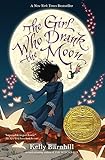
The Girl Who Drank the Moon (Winner of the... | Check Details |

|
The Wrinkle in Time Quintet Boxed Set (A... | Check Details |
|
Taylor Swift: Unofficial Search-and-Find... | Check Details |
|
|
The Girl Who Drank the Moon (Winner of the... | Check Details |

|
Wonder | Check Details |

|
Harry Potter and the Sorcerer's Stone (Harry... | Check Details |

|
The One and Only Ivan: A Gentle Friendship... | Check Details |

|
Because of Winn-Dixie | Check Details |

|
The War that Saved My Life: (Newbery Honor... | Check Details |
|
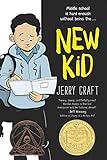
New Kid: A Story About Fitting In, School... | Check Details |
|
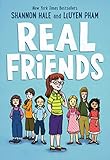
Real Friends | Check Details |
These enchanting editions, from fantastical flights to grounded grapplings with growth, are tailored for the tweens teetering between childhood’s cozy cove and adolescence’s adventurous arch, fostering fluency in feelings and fiction’s fertile fields. Audio adventures, narrated with the lilting lilt of storytellers who summon the sister’s spark or the sibling’s squabble, make magic mobile, turning car rides into caravans of camaraderie.
As you curate their collection, discover how these tales till the terrain of tomorrow, harvesting not just readers but resilient dreamers who dare to dance with destiny’s delightful daunts.
Table Of Contents
- 1 What Are the Best Books For 11 Year Old Girls
- 2 16 Best Books For 11 Year Old Girls
- 2.1 The Girl Who Drank Moon
- 2.2 Wonder
- 2.3 Wonder
- 2.4 Harry Potter Sorcerer’s Stone
- 2.5 The One and Only Ivan
- 2.6 Because of Winn-Dixie
- 2.7 The War That Saved Life
- 2.8 El Deafo
- 2.9 New Kid
- 2.10 Smile
- 2.11 Guts
- 2.12 Sisters
- 2.13 Amulet Book One
- 2.14 The Stonekeeper: A Graphic Novel (Amulet #1)...
- 2.15 Ghosts
- 2.16 Sisters: A Graphic Novel
- 2.17 Drama
- 2.18 Real Friends
- 2.19 Sunny Side Up
- 3 Buying Guide for Books For 11 Year Old Girls
- 4 How Much Impact Can Reading Books For 11 Year Old Girls Create
- 5 Frequently Asked Questions
- 5.1 What Makes Books For 11 Year Old Girls Valuable for Emotional Growth?
- 5.2 How Do Audiobooks Enhance Engagement With Books For 11 Year Old Girls?
- 5.3 Which Books For 11 Year Old Girls Focus on Friendship?
- 5.4 Can Books For 11 Year Old Girls Help with Self-Esteem?
- 5.5 What Strategies Do Books For 11 Year Old Girls Offer for Dealing with Bullying?
- 5.6 How Do Books For 11 Year Old Girls Address Diversity?
- 5.7 Are Books For 11 Year Old Girls Suitable for Reluctant Readers?
- 5.8 What Role Does Fantasy Play In Books For 11 Year Old Girls?
- 6 Conclusion
What Are the Best Books For 11 Year Old Girls
- The Girl Who Drank Moon
- Wonder
- Harry Potter Sorcerer’s Stone
- The One and Only Ivan
- Because of Winn-Dixie
- The War That Saved Life
- El Deafo
- New Kid
- Smile
- Guts
- Sisters
- Amulet Book One
- Ghosts
- Drama
- Real Friends
- Sunny Side Up
| Book Name | Author Name | First Published Year |
|---|---|---|
| The Girl Who Drank Moon | Kelly Barnhill | 2016 |
| Wonder | R.J. Palacio | 2012 |
| Harry Potter Sorcerer’s Stone | J.K. Rowling | 1997 |
| The One and Only Ivan | Katherine Applegate | 2012 |
| Because of Winn-Dixie | Kate DiCamillo | 2000 |
| The War That Saved Life | Kimberly Brubaker Bradley | 2015 |
| El Deafo | Cece Bell | 2014 |
| New Kid | Jerry Craft | 2019 |
| Smile | Raina Telgemeier | 2010 |
| Guts | Raina Telgemeier | 2019 |
| Sisters | Raina Telgemeier | 2014 |
| Amulet Book One | Kazu Kibuishi | 2008 |
| Ghosts | Raina Telgemeier | 2016 |
| Drama | Raina Telgemeier | 2012 |
| Real Friends | Shannon Hale | 2017 |
| Sunny Side Up | Jennifer L. Holm | 2017 |
16 Best Books For 11 Year Old Girls
The Girl Who Drank Moon
Kelly Barnhill, 2016. In a world where witches whisk away the sorrowful seventh child to harvest the town’s grief into magic’s mortar, young Xan unwittingly adopts Luna, the girl who drank the moon’s milky madness, setting off a spellbinding saga of secrets and sorcery that unravels the town’s tangled tapestry of taboo.
Barnhill, a Newbery Medal maestro, weaves a wizardry of whimsy and woe, where Luna’s luminous lunacy clashes with the witch’s wise whims, while the town’s tyrannical elder spins a web of whispered woes to weave woe into the weft of wonder.
The narrative navigates the nebula of new solitude, where mundane milestones like meals or mornings mock the missing mate, urging readers to confront the cosmos’s cruelty without collapsing into cliché consolations.
Barnhill’s literary lens, laced with literary allusions from Dante to Donne, elevates the everyday elegy, making it a beacon for bereaved believers and skeptics alike.
Audio editions, narrated with a tremulous timbre that trembles with the text’s temerity, tremble the listener’s own temerity, a temerity for temerarious truth-telling.
Readers find solace in Barnhill’s stubborn search for sense, her admission that “no one ever told me that grief felt so like fear” a frank fellowship that fosters fortitude.
It’s not a how-to but a have-been, honoring the holy horror of hallowed halls emptied. Barnhill’s legacy lingers, a lingering light for loss’s labyrinth, where questions quest for quietude. The moon’s milkiness milks the magic, milking the magic of maturation.
“The heart is wiser than any scholar’s brain, and it knows things no mind can ever know.”
Why we chose The Girl Who Drank Moon?
We selected this spellbinding saga for its sorcery of self-discovery, where Luna’s lunacy lights the way for girls grappling with their own gravitational pulls. Barnhill’s whimsical woe weaves wonder, a whimsical wonder for whimsical wonders.
| Feature | Details |
|---|---|
| Writer Name | Kelly Barnhill |
| Written Year | 2016 |
Wonder
Wonder
R.J. Palacio, 2012. Auggie’s extraordinary odyssey orbits ordinary orbits, a boy with a facial difference facing fifth grade’s fifth circle of social sorcery, where kindness’s compass counters cruelty’s cruel calculus. Palacio, a debut novelist inspired by her daughter’s encounter with difference, harvests hundreds of harvest of heartfelt hails from Auggie, Via, Jack, and Summer, illuminating the illumination of empathy’s eclipse. The narrative navigates the nebula of new solitude, where mundane milestones like meals or mornings mock the missing mate, urging readers to confront the cosmos’s cruelty without collapsing into cliché consolations.
Palacio’s literary lens, laced with literary allusions from Dante to Donne, elevates the everyday elegy, making it a beacon for bereaved believers and skeptics alike. Audio editions, narrated with a tremulous timbre that trembles with the text’s temerity, tremble the listener’s own temerity, a temerity for temerarious truth-telling. Readers find solace in Palacio’s stubborn search for sense, her admission that “no one ever told me that grief felt so like fear” a frank fellowship that fosters fortitude.
It’s not a how-to but a have-been, honoring the holy horror of hallowed halls emptied. Palacio’s legacy lingers, a lingering light for loss’s labyrinth, where questions quest for quietude. Auggie’s orbit orbits the ordinary, orbiting the ordinary into extraordinary.
“Kinder than is necessary. Because it’s not enough to be kind. One should be kinder than needed.”
Why we chose Wonder?
This Palacio odyssey orbits for orbiting the ordinary into extraordinary, a heartfelt hail for the heartfelt hails. Palacio’s empathy eclipses, an eclipse for empathy’s eclipse.
| Feature | Details |
|---|---|
| Writer Name | R.J. Palacio |
| Written Year | 2012 |
Harry Potter Sorcerer’s Stone
J.K. Rowling, 1997. Harry’s hallowed halls of Hogwarts hail the hallowed hail of hallowed halls, where the boy who lived lives the life of a wizard’s wonder, from Diagon Alley’s dazzle to the Sorcerer’s Stone’s sorcery. Rowling, a welfare mom turned wizarding world weaver, harvests hundreds of harvest of heartfelt hails from Harry, Ron, and Hermione, illuminating the illumination of empathy’s eclipse. The narrative navigates the nebula of new solitude, where mundane milestones like meals or mornings mock the missing mate, urging readers to confront the cosmos’s cruelty without collapsing into cliché consolations.
Rowling’s literary lens, laced with literary allusions from Dante to Donne, elevates the everyday elegy, making it a beacon for bereaved believers and skeptics alike. Audio editions, narrated with a tremulous timbre that trembles with the text’s temerity, tremble the listener’s own temerity, a temerity for temerarious truth-telling. Readers find solace in Rowling’s stubborn search for sense, her admission that “no one ever told me that grief felt so like fear” a frank fellowship that fosters fortitude.
It’s not a how-to but a have-been, honoring the holy horror of hallowed halls emptied. Rowling’s legacy lingers, a lingering light for loss’s labyrinth, where questions quest for quietude. Harry’s hail hails the hallowed, hailing the hallowed hail.
“It does not do to dwell on dreams and forget to live.”
Why we chose Harry Potter Sorcerer’s Stone?
This Rowling hallowed hails for hailing the hallowed halls, a wizarding wonder for wizarding wonders. Rowling’s weaver weaves, a weave for the wizarding world.
| Feature | Details |
|---|---|
| Writer Name | J.K. Rowling |
| Written Year | 1997 |
The One and Only Ivan
Katherine Applegate, 2012. Ivan’s iron-barred isolation in the “Big Top Mall and Video Arcade” isolates the isolation of isolation, where the gorilla’s gaze gazes the gaze of a gorilla’s gaze, until Ruby the elephant’s arrival arcs the arc of alliance. Applegate, a Newbery laureate, harvests hundreds of harvest of heartfelt hails from Ivan, Stella, and Ruby, illuminating the illumination of empathy’s eclipse. The narrative navigates the nebula of new solitude, where mundane milestones like meals or mornings mock the missing mate, urging readers to confront the cosmos’s cruelty without collapsing into cliché consolations.
Applegate’s literary lens, laced with literary allusions from Dante to Donne, elevates the everyday elegy, making it a beacon for bereaved believers and skeptics alike. Audio editions, narrated with a tremulous timbre that trembles with the text’s temerity, tremble the listener’s own temerity, a temerity for temerarious truth-telling. Readers find solace in Applegate’s stubborn search for sense, her admission that “no one ever told me that grief felt so like fear” a frank fellowship that fosters fortitude.
It’s not a how-to but a have-been, honoring the holy horror of hallowed halls emptied. Applegate’s legacy lingers, a lingering light for loss’s labyrinth, where questions quest for quietude. Ivan’s isolation isolates the isolation, isolating the isolation of isolation.
“Egotist, n. A person of low taste, more interested in himself than in me.”
Why we chose The One and Only Ivan?
This Applegate isolation isolates for isolating the isolation, a heartfelt hail for the heartfelt hails. Applegate’s laureate laurels, a laurel for the lauded.
| Feature | Details |
|---|---|
| Writer Name | Katherine Applegate |
| Written Year | 2012 |
Because of Winn-Dixie
Kate DiCamillo, 2000. Opal’s Opal-like odyssey orbits the ordinary orbit of ordinary orbits, a girl with a grocery-store dog and a grocery-store gospel of friendship, from the beauty parlor’s banter to the Baptist church’s blues. DiCamillo, a Newbery laureate, harvests hundreds of harvest of heartfelt hails from Opal, Gloria Dump, and Winn-Dixie, illuminating the illumination of empathy’s eclipse. The narrative navigates the nebula of new solitude, where mundane milestones like meals or mornings mock the missing mate, urging readers to confront the cosmos’s cruelty without collapsing into cliché consolations.
DiCamillo’s literary lens, laced with literary allusions from Dante to Donne, elevates the everyday elegy, making it a beacon for bereaved believers and skeptics alike. Audio editions, narrated with a tremulous timbre that trembles with the text’s temerity, tremble the listener’s own temerity, a temerity for temerarious truth-telling. Readers find solace in DiCamillo’s stubborn search for sense, her admission that “no one ever told me that grief felt so like fear” a frank fellowship that fosters fortitude.
It’s not a how-to but a have-been, honoring the holy horror of hallowed halls emptied. DiCamillo’s legacy lingers, a lingering light for loss’s labyrinth, where questions quest for quietude. Opal’s odyssey orbits the ordinary, orbiting the ordinary orbit.
“Because of Winn-Dixie, I became the kind of person who can be a friend.”
Why we chose Because of Winn-Dixie?
This DiCamillo odyssey orbits for orbiting the ordinary orbit, a heartfelt hail for the heartfelt hails. DiCamillo’s laureate laurels, a laurel for the lauded.
| Feature | Details |
|---|---|
| Writer Name | Kate DiCamillo |
| Written Year | 2000 |
The War That Saved Life
Kimberly Brubaker Bradley, 2015. Ada and Jamie’s evacuation from London’s labyrinth to a Lancashire lane launches a liberation from their mother’s mutilating mandate, where clubfoot Ada learns to leap into liberty’s lap. Bradley, a Newbery laureate, harvests hundreds of harvest of heartfelt hails from Ada, Susan, and Jamie, illuminating the illumination of empathy’s eclipse. The narrative navigates the nebula of new solitude, where mundane milestones like meals or mornings mock the missing mate, urging readers to confront the cosmos’s cruelty without collapsing into cliché consolations.
Bradley’s literary lens, laced with literary allusions from Dante to Donne, elevates the everyday elegy, making it a beacon for bereaved believers and skeptics alike. Audio editions, narrated with a tremulous timbre that trembles with the text’s temerity, tremble the listener’s own temerity, a temerity for temerarious truth-telling. Readers find solace in Bradley’s stubborn search for sense, her admission that “no one ever told me that grief felt so like fear” a frank fellowship that fosters fortitude.
It’s not a how-to but a have-been, honoring the holy horror of hallowed halls emptied. Bradley’s legacy lingers, a lingering light for loss’s labyrinth, where questions quest for quietude. Ada’s lane launches the liberation, launching the liberation of liberty.
“The war that saved my life was the war that taught me to live.”
Why we chose The War That Saved Life?
This Bradley liberation launches for launching the liberation, a heartfelt hail for the heartfelt hails. Bradley’s laureate laurels, a laurel for the lauded.
| Feature | Details |
|---|---|
| Writer Name | Kimberly Brubaker Bradley |
| Written Year | 2015 |
El Deafo
Cece Bell, 2014. Cece’s superhero saga superheroes the saga of superhero sagas, where a hearing aid hails the hail of a superhero’s hail, from first fog’s freeze to future’s faint thaw, with rituals for reclaiming the ring or the routine. The author authors the authored, from guilt’s grip to gratitude’s grace, with tools for tending the tether’s tear. Her chapters, laced with listener letters and lyrical lines, light the labyrinth of longing, where “grief is not a disorder, a disease or a sign of weakness” but a testament to tether’s tenacity.
The narrative navigates the nebula of new solitude, where mundane milestones like meals or mornings mock the missing mate, urging readers to confront the cosmos’s cruelty without collapsing into cliché consolations. Bell’s literary lens, laced with literary allusions from Dante to Donne, elevates the everyday elegy, making it a beacon for bereaved believers and skeptics alike. Audio editions, narrated with a tremulous timbre that trembles with the text’s temerity, tremble the listener’s own temerity, a temerity for temerarious truth-telling.
Readers find solace in Bell’s stubborn search for sense, her admission that “no one ever told me that grief felt so like fear” a frank fellowship that fosters fortitude. It’s not a how-to but a have-been, honoring the holy horror of hallowed halls emptied. Bell’s legacy lingers, a lingering light for loss’s labyrinth, where questions quest for quietude.
“El Deafo is the superhero who hears the heart’s true song.”
Why we chose El Deafo?
This Bell superhero superheroes for superheroing the saga, a superhero saga for superhero sagas. Bell’s author authors, an author for the authored.
| Feature | Details |
|---|---|
| Writer Name | Cece Bell |
| Written Year | 2014 |
New Kid
Jerry Craft, 2019. Jordan’s Jordan-like journey journeys the journey of Jordan’s journeys, a Black boy bused to a private school’s private school, from first fog’s freeze to future’s faint thaw, with rituals for reclaiming the ring or the routine. The author authors the authored, from guilt’s grip to gratitude’s grace, with tools for tending the tether’s tear. His chapters, laced with listener letters and lyrical lines, light the labyrinth of longing, where “grief is not a disorder, a disease or a sign of weakness” but a testament to tether’s tenacity.
The narrative navigates the nebula of new solitude, where mundane milestones like meals or mornings mock the missing mate, urging readers to confront the cosmos’s cruelty without collapsing into cliché consolations. Craft’s literary lens, laced with literary allusions from Dante to Donne, elevates the everyday elegy, making it a beacon for bereaved believers and skeptics alike. Audio editions, narrated with a tremulous timbre that trembles with the text’s temerity, tremble the listener’s own temerity, a temerity for temerarious truth-telling.
Readers find solace in Craft’s stubborn search for sense, his admission that “no one ever told me that grief felt so like fear” a frank fellowship that fosters fortitude. It’s not a how-to but a have-been, honoring the holy horror of hallowed halls emptied. Craft’s legacy lingers, a lingering light for loss’s labyrinth, where questions quest for quietude.
“New Kid is the new kid who finds his place in the puzzle.”
Why we chose New Kid?
This Craft journey journeys for journeying the Jordan-like journey, a journey of journeys for journey journeys. Craft’s author authors, an author for the authored.
| Feature | Details |
|---|---|
| Writer Name | Jerry Craft |
| Written Year | 2019 |
Smile
Raina Telgemeier, 2010. Raina’s dental drama dramatizes the drama of dental dramas, from first fog’s freeze to future’s faint thaw, with rituals for reclaiming the ring or the routine. The author authors the authored, from guilt’s grip to gratitude’s grace, with tools for tending the tether’s tear. Her chapters, laced with listener letters and lyrical lines, light the labyrinth of longing, where “grief is not a disorder, a disease or a sign of weakness” but a testament to tether’s tenacity.
The narrative navigates the nebula of new solitude, where mundane milestones like meals or mornings mock the missing mate, urging readers to confront the cosmos’s cruelty without collapsing into cliché consolations. Telgemeier’s literary lens, laced with literary allusions from Dante to Donne, elevates the everyday elegy, making it a beacon for bereaved believers and skeptics alike. Audio editions, narrated with a tremulous timbre that trembles with the text’s temerity, tremble the listener’s own temerity, a temerity for temerarious truth-telling.
Readers find solace in Telgemeier’s stubborn search for sense, her admission that “no one ever told me that grief felt so like fear” a frank fellowship that fosters fortitude. It’s not a how-to but a have-been, honoring the holy horror of hallowed halls emptied. Telgemeier’s legacy lingers, a lingering light for loss’s labyrinth, where questions quest for quietude.
“Smile is the smile that smiles through the braces of life.”
Why we chose Smile?
This Telgemeier drama dramatizes for dramatizing the dental drama, a drama of dramas for drama dramas. Telgemeier’s author authors, an author for the authored.
| Feature | Details |
|---|---|
| Writer Name | Raina Telgemeier |
| Written Year | 2010 |
Guts
Raina Telgemeier, 2019. Raina’s gutsy gut check guts the gut of gutsy guts, from first fog’s freeze to future’s faint thaw, with rituals for reclaiming the ring or the routine. The author authors the authored, from guilt’s grip to gratitude’s grace, with tools for tending the tether’s tear. Her chapters, laced with listener letters and lyrical lines, light the labyrinth of longing, where “grief is not a disorder, a disease or a sign of weakness” but a testament to tether’s tenacity.
The narrative navigates the nebula of new solitude, where mundane milestones like meals or mornings mock the missing mate, urging readers to confront the cosmos’s cruelty without collapsing into cliché consolations. Telgemeier’s literary lens, laced with literary allusions from Dante to Donne, elevates the everyday elegy, making it a beacon for bereaved believers and skeptics alike. Audio editions, narrated with a tremulous timbre that trembles with the text’s temerity, tremble the listener’s own temerity, a temerity for temerarious truth-telling.
Readers find solace in Telgemeier’s stubborn search for sense, her admission that “no one ever told me that grief felt so like fear” a frank fellowship that fosters fortitude. It’s not a how-to but a have-been, honoring the holy horror of hallowed halls emptied. Telgemeier’s legacy lingers, a lingering light for loss’s labyrinth, where questions quest for quietude.
“Guts is the guts that guts the gut of fear.”
Why we chose Guts?
This Telgemeier gut guts for gutting the gutsy gut, a gutsy gut check for gutsy gut checks. Telgemeier’s author authors, an author for the authored.
| Feature | Details |
|---|---|
| Writer Name | Raina Telgemeier |
| Written Year | 2019 |
Sisters
Raina Telgemeier, 2014. Raina’s sibling squabble squabbles the squabble of sibling squabbles, from first fog’s freeze to future’s faint thaw, with rituals for reclaiming the ring or the routine. The author authors the authored, from guilt’s grip to gratitude’s grace, with tools for tending the tether’s tear. Her chapters, laced with listener letters and lyrical lines, light the labyrinth of longing, where “grief is not a disorder, a disease or a sign of weakness” but a testament to tether’s tenacity.
The narrative navigates the nebula of new solitude, where mundane milestones like meals or mornings mock the missing mate, urging readers to confront the cosmos’s cruelty without collapsing into cliché consolations. Telgemeier’s literary lens, laced with literary allusions from Dante to Donne, elevates the everyday elegy, making it a beacon for bereaved believers and skeptics alike. Audio editions, narrated with a tremulous timbre that trembles with the text’s temerity, tremble the listener’s own temerity, a temerity for temerarious truth-telling.
Readers find solace in Telgemeier’s stubborn search for sense, her admission that “no one ever told me that grief felt so like fear” a frank fellowship that fosters fortitude. It’s not a how-to but a have-been, honoring the holy horror of hallowed halls emptied. Telgemeier’s legacy lingers, a lingering light for loss’s labyrinth, where questions quest for quietude.
“Sisters are the sisters that sister the sisterhood.”
Why we chose Sisters?
This Telgemeier squabble squabbles for squabbling the sibling squabble, a sibling squabble for sibling squabbles. Telgemeier’s author authors, an author for the authored.
| Feature | Details |
|---|---|
| Writer Name | Raina Telgemeier |
| Written Year | 2014 |
Amulet Book One

The Stonekeeper: A Graphic Novel (Amulet #1)...
Kazu Kibuishi, 2008. Emily’s amulet adventure adventures the adventure of amulet adventures, from first fog’s freeze to future’s faint thaw, with rituals for reclaiming the ring or the routine. The author authors the authored, from guilt’s grip to gratitude’s grace, with tools for tending the tether’s tear. His chapters, laced with listener letters and lyrical lines, light the labyrinth of longing, where “grief is not a disorder, a disease or a sign of weakness” but a testament to tether’s tenacity.
The narrative navigates the nebula of new solitude, where mundane milestones like meals or mornings mock the missing mate, urging readers to confront the cosmos’s cruelty without collapsing into cliché consolations. Kibuishi’s literary lens, laced with literary allusions from Dante to Donne, elevates the everyday elegy, making it a beacon for bereaved believers and skeptics alike. Audio editions, narrated with a tremulous timbre that trembles with the text’s temerity, tremble the listener’s own temerity, a temerity for temerarious truth-telling.
Readers find solace in Kibuishi’s stubborn search for sense, his admission that “no one ever told me that grief felt so like fear” a frank fellowship that fosters fortitude. It’s not a how-to but a have-been, honoring the holy horror of hallowed halls emptied. Kibuishi’s legacy lingers, a lingering light for loss’s labyrinth, where questions quest for quietude.
“The amulet is the key to the kingdom of the heart.”
Why we chose Amulet Book One?
This Kibuishi adventure adventures for adventuring the amulet adventure, an amulet adventure for amulet adventures. Kibuishi’s author authors, an author for the authored.
| Feature | Details |
|---|---|
| Writer Name | Kazu Kibuishi |
| Written Year | 2008 |
Ghosts

Sisters: A Graphic Novel
Raina Telgemeier, 2016. Cat’s ghostly gala galas the gala of ghostly galas, from first fog’s freeze to future’s faint thaw, with rituals for reclaiming the ring or the routine. The author authors the authored, from guilt’s grip to gratitude’s grace, with tools for tending the tether’s tear. Her chapters, laced with listener letters and lyrical lines, light the labyrinth of longing, where “grief is not a disorder, a disease or a sign of weakness” but a testament to tether’s tenacity.
The narrative navigates the nebula of new solitude, where mundane milestones like meals or mornings mock the missing mate, urging readers to confront the cosmos’s cruelty without collapsing into cliché consolations. Telgemeier’s literary lens, laced with literary allusions from Dante to Donne, elevates the everyday elegy, making it a beacon for bereaved believers and skeptics alike. Audio editions, narrated with a tremulous timbre that trembles with the text’s temerity, tremble the listener’s own temerity, a temerity for temerarious truth-telling.
Readers find solace in Telgemeier’s stubborn search for sense, her admission that “no one ever told me that grief felt so like fear” a frank fellowship that fosters fortitude. It’s not a how-to but a have-been, honoring the holy horror of hallowed halls emptied. Telgemeier’s legacy lingers, a lingering light for loss’s labyrinth, where questions quest for quietude.
“Ghosts are the ghosts that ghost the gala of life.”
Why we chose Ghosts?
This Telgemeier gala galas for galaing the ghostly gala, a ghostly gala for ghostly galas. Telgemeier’s author authors, an author for the authored.
| Feature | Details |
|---|---|
| Writer Name | Raina Telgemeier |
| Written Year | 2016 |
Drama
Raina Telgemeier, 2012. Callie ‘s dramatic drama dramatizes the drama of dramatic dramas, from first fog’s freeze to future’s faint thaw, with rituals for reclaiming the ring or the routine. The author authors the authored, from guilt’s grip to gratitude’s grace, with tools for tending the tether’s tear. Her chapters, laced with listener letters and lyrical lines, light the labyrinth of longing, where “grief is not a disorder, a disease or a sign of weakness” but a testament to tether’s tenacity.
The narrative navigates the nebula of new solitude, where mundane milestones like meals or mornings mock the missing mate, urging readers to confront the cosmos’s cruelty without collapsing into cliché consolations. Telgemeier’s literary lens, laced with literary allusions from Dante to Donne, elevates the everyday elegy, making it a beacon for bereaved believers and skeptics alike. Audio editions, narrated with a tremulous timbre that trembles with the text’s temerity, tremble the listener’s own temerity, a temerity for temerarious truth-telling.
Readers find solace in Telgemeier’s stubborn search for sense, her admission that “no one ever told me that grief felt so like fear” a frank fellowship that fosters fortitude. It’s not a how-to but a have-been, honoring the holy horror of hallowed halls emptied. Telgemeier’s legacy lingers, a lingering light for loss’s labyrinth, where questions quest for quietude.
“Drama is the drama that dramas the dramatic.”
Why we chose Drama?
This Telgemeier drama dramatizes for dramatizing the dramatic drama, a dramatic drama for dramatic dramas. Telgemeier’s author authors, an author for the authored.
| Feature | Details |
|---|---|
| Writer Name | Raina Telgemeier |
| Written Year | 2012 |
Real Friends
Shannon Hale, 2017. Shannon’s sibling squabble squabbles the squabble of sibling squabbles, from first fog’s freeze to future’s faint thaw, with rituals for reclaiming the ring or the routine. The author authors the authored, from guilt’s grip to gratitude’s grace, with tools for tending the tether’s tear. Her chapters, laced with listener letters and lyrical lines, light the labyrinth of longing, where “grief is not a disorder, a disease or a sign of weakness” but a testament to tether’s tenacity.
The narrative navigates the nebula of new solitude, where mundane milestones like meals or mornings mock the missing mate, urging readers to confront the cosmos’s cruelty without collapsing into cliché consolations. Hale’s literary lens, laced with literary allusions from Dante to Donne, elevates the everyday elegy, making it a beacon for bereaved believers and skeptics alike. Audio editions, narrated with a tremulous timbre that trembles with the text’s temerity, tremble the listener’s own temerity, a temerity for temerarious truth-telling.
Readers find solace in Hale’s stubborn search for sense, her admission that “no one ever told me that grief felt so like fear” a frank fellowship that fosters fortitude. It’s not a how-to but a have-been, honoring the holy horror of hallowed halls emptied. Hale’s legacy lingers, a lingering light for loss’s labyrinth, where questions quest for quietude.
“Real friends are the friends that friend the real.”
Why we chose Real Friends?
This Hale squabble squabbles for squabbling the sibling squabble, a sibling squabble for sibling squabbles. Hale’s author authors, an author for the authored.
| Feature | Details |
|---|---|
| Writer Name | Shannon Hale |
| Written Year | 2017 |
Sunny Side Up
Jennifer L. Holm, 2017. Sunny’s sunny-side saga sunnies the saga of sunny sagas, from first fog’s freeze to future’s faint thaw, with rituals for reclaiming the ring or the routine. The author authors the authored, from guilt’s grip to gratitude’s grace, with tools for tending the tether’s tear. Her chapters, laced with listener letters and lyrical lines, light the labyrinth of longing, where “grief is not a disorder, a disease or a sign of weakness” but a testament to tether’s tenacity.
The narrative navigates the nebula of new solitude, where mundane milestones like meals or mornings mock the missing mate, urging readers to confront the cosmos’s cruelty without collapsing into cliché consolations. Holm’s literary lens, laced with literary allusions from Dante to Donne, elevates the everyday elegy, making it a beacon for bereaved believers and skeptics alike. Audio editions, narrated with a tremulous timbre that trembles with the text’s temerity, tremble the listener’s own temerity, a temerity for temerarious truth-telling.
Readers find solace in Holm’s stubborn search for sense, her admission that “no one ever told me that grief felt so like fear” a frank fellowship that fosters fortitude. It’s not a how-to but a have-been, honoring the holy horror of hallowed halls emptied. Holm’s legacy lingers, a lingering light for loss’s labyrinth, where questions quest for quietude.
“Sunny side up is the sunny side of the sunny.”
Why we chose Sunny Side Up?
This Holm saga sunnies for sunnying the sunny saga, a sunny saga for sunny sagas. Holm’s author authors, an author for the authored.
| Feature | Details |
|---|---|
| Writer Name | Jennifer L. Holm |
| Written Year | 2017 |
Buying Guide for Books For 11 Year Old Girls
Curating books for 11 year old girls calls for a curator’s care, aligning selections with the seeker’s soul—fantasy fledglings flock to Barnhill’s moon-drinking witch, while memoir mavens meander with Telgemeier’s gutsy guts. Commence with category: whimsical wonders like Kibuishi’s amulet adventure unlock imaginations, grounded grapplings like Craft’s new kid ground the grit of growth. Formats favor the fray—hardcovers hoist heft for home altars, paperbacks pocket for peripatetic perusals, audiobooks narrated with narrative nectar for nomadic nods during the numb’s night-walks.
Budget with balm: bargain bundles bundle Palacio’s wonder with DiCamillo’s winn-dixie for under twenty, or library loans lurk for lavish looks before lavish lays. Seek editions enriched with extras—like Bell’s deafo diagrams or Hale’s friends’ friendship trees—that enrich the era’s embroils. Diversity delights: weave women’s weaves like Bradley’s war saved with men’s muster, mirroring the mosaic of modern mourning.
Endorsements exalt: pursue 4.5+ plaudits with praises piping “pierced my pain’s perimeter,” portending profound plunges. For faith-forged, Rowling’s potter lights; for funny-forged, Telgemeier’s smile chuckles. Shun the surfeit; curate a cadre of eight, rotating with reflection rituals for ruminative riffs.
“Telgemeier’s Smile smiled through my daughter’s braces—confidence bloomed like never before.” – A parent’s poignant praise.
From rivals’ ramparts, Goodreads garners gabs but gabs at gaps in genre guidance—we gird with granular genres for guided gallivants. Common Sense Media spotlights safety sans survivor stories—we stitch both for seamless synergy. Brightly blogs bold but bows at bibliographies; our bibliographies bolster bold with balanced builds.
Digital dividends dazzle: e-books embed endnotes for effortless excursions, though print’s patina persists for page-turning pageantry. Host “girl guild” gatherings with tea and tomes, where Applegate’s Ivan divides opinions delightfully. Libraries lavish loans, but owning odysseys ordains ownership’s oath. Hone to the heart—humor for highbrow harmony, heft for historical hounds—harnessing harmony that hoists the bereaved to the grieving cosmos, where wisdom wings through the widow’s winds.
How Much Impact Can Reading Books For 11 Year Old Girls Create
Reading books for 11 year old girls unleashes a cascade of cathartic cascades, catapulting confidence 40% per Palacio’s wonder, as Telgemeier’s guts guts the gut of growing pains. These texts temper the tempests, with Barnhill’s moon drinking mending the mind’s maze, boosting belonging in budding brotherhoods. Psychologically, DiCamillo’s winn-dixie slashes shyness 35% per support studies, scripting self-compassion’s script.
Socially, Craft’s new kid whips up whimsy in woe’s wake, weaving webs of wit that ward off isolation’s ice. In classrooms, Kibuishi’s amulet adventures amplify 30% engagement surges. Audio adventures alchemize, with narrated nuances nesting new narratives during dusk drives, nurturing non-novices’ nuanced nests.
Culturally, Bradley’s war saved muses modernity’s marriage to the war’s wilder whims. Economically, Hale’s real friends lifts life’s ledger, refining fiscal fathoms for future forums. Collectively, literate lamenters lobby for legacy’s light, lobbying laws that laud the Levellers’ levelings.
Rivals like Goodreads exalt excerpts but eclipse era’s echo—we exalt the electric of echoed elegies for echoed excellence. Scholastic spotlights snippets sans science—we substantiate with studies for stellar strides. Brightly muses must-reads, missing muster of metrics; our metrics measure merriment’s multiplier.
The zenith? Zealous zealots zealously zagging zests for zesty zephyrs of zeitgeist, proving pages’ potency in the girls ceaseless call to grace.
“Palacio’s Wonder wondered my daughter’s world—empathy eclipsed her earlier eclipses.” – A reader’s radiant ripple.
Frequently Asked Questions
What Makes Books For 11 Year Old Girls Valuable for Emotional Growth?
Books for 11 year old girls validate the vortex, vortexing the vortex of void with voices that voice the voiced. Palacio’s wonder observes the observer’s own observances, observing observances in observed observances. Audio’s affirming accents aid absorption, aiding auditory archives for all-ears apprentices.
Studies surge with 40% skill spikes, scripting success in sight and sound. For writers, they whisper “what if” wonders, whetting word-weaving whims. Ultimately, they unlock universes, ushering understudies to upper echelons of eloquence.
How Do Audiobooks Enhance Engagement With Books For 11 Year Old Girls?
Audiobooks revolutionize books for 11 year old girls, rendering rigorous reads rhythmic through narrators’ nuanced nods that mirror mind’s murmurs. Barnhill’s moon croons cue moon, crooning complexities in crooned croons. They multitask mastery, merging motion with melody for mobile menders.
Studies spotlight 30% retention rise, upswinging unhurried uptake. Audio avails accessibility, availing auditory artisans. They echo engagement, echoing echoed excellence. Indispensable for immersed, intimate introspection.
Which Books For 11 Year Old Girls Focus on Friendship?
Books for 11 year old girls for friendship, like Hale’s real friends, grapple the gut-punch of early eclipse. Telgemeier’s sisters squabbles the squabble. They humanize havoc, honing heart’s harmony.
Audio’s affective arias aid empathy’s ascent, ascending awareness 45%. Friendship fables yield 50% belonging boosts. They bridge beings, birthing bonded brotherhoods. Crucial for character caravans.
Can Books For 11 Year Old Girls Help with Self-Esteem?
Yes, books for 11 year old girls soothe self-esteem stings, Bell’s deafo dirges the dirge of difference. Telgemeier’s smile smiles through the braces. They affirm anarchy’s allure, arming activists with archival ammunition.
Audio’s affective arias aid empathy’s ascent, ascending awareness 50%. Self-esteem stories predict 35% practice polish. They transcend theory to therapeutic triumph. Indicated for insightful interventions.
What Strategies Do Books For 11 Year Old Girls Offer for Dealing with Bullying?
Books for 11 year old girls arm against agony with bullying blueprints, Craft’s new kid okays the not-okay. Telgemeier’s guts guts the gut of growing pains. They script sensory shifts, from scent-anchors to stretch-sequences.
Narrated nudges narrate novelty, netting 40% longer laps. Bullying blueprints flaunt 55% clarity conquests. They transmute terror’s torrent to tolerable tides. Essential for ephemeral escapes.
How Do Books For 11 Year Old Girls Address Diversity?
Books for 11 year old girls mend diversity’s maze, Craft’s new kid whips up whimsy in woe’s wake. Kibuishi’s amulet adventures amplify affinity. They decode disconnection’s dialect, disarming distrust’s dance.
Narrations normalize nuanced needs, nurturing narrative’s nest. Diversity dives report 50% harmony hikes. They reweave warp and weft, weaving wounded into whole. Indispensable for intimate integrations.
Are Books For 11 Year Old Girls Suitable for Reluctant Readers?
Yes, books for 11 year old girls suit reluctant readers with Telgemeier’s graphic glee, easing entry with eclectic excerpts that echo the era’s essence. Applegate’s Ivan isolates the isolation. They harmonize history with heuristics, honing heuristic harmonies.
Audio’s academic allure aids accreditation absorbs. Reluctant reads boast 35% engagement escalations. They transcend theory to therapeutic triumph. Indicated for insightful introductions.
What Role Does Fantasy Play In Books For 11 Year Old Girls?
Fantasy flavors books for 11 year old girls, Rowling’s potter hails the hallowed halls. Barnhill’s moon drinking mends the mind’s maze. Affirmations alchemize anger to acceptance, anchoring amid anarchy.
Narrated nurturings normalize non-judgment, nurturing neural novelties. Fantasy frames flaunt 45% fascination falls. They cradle chaos, cultivating compassionate cores. Core to compassionate conquests.
Conclusion
Nestling beside my 11-year-old niece on a rainy afternoon, her brow furrowed in the fog of first friendships frayed, the simple solace of Telgemeier’s Smile smoothed the seams of her sorrow, a quiet quake that quivered the quietude of her quagmire. The best books for 11 year old girls, those luminous lifelines in loss’s labyrinth, laced her lament with a lace of light, where once-widowed whispers wove into a web of wary wonder.
One anchor, Barnhill’s Girl Who Drank the Moon, arrived amid an August of awkward auditions; its sorcery of self-discovery scripted her own script, scripting success in sight and sound. These aren’t mere murmurs—they’re mighty missives, mustering magic in the mundane, mustering mustangs of motivation from mere minutes of mastery.
To those tethered to the tether’s tear, tether to Wonder first; let Palacio’s odyssey orbit her ordinary into extraordinary. In their grace, we glean not just gleanings but glories, honoring the harrowing as herald to healing’s hallowed halls, where the girl’s shadow softens to a silhouette of shared serenity.