

Most of us spend years wondering why we do what we do. We react too quickly, worry too often, or wonder why certain patterns keep repeating in our relationships. A truly good book on the human mind changes how you see yourself by the final page. It gives names to messy feelings and offers a clearer mirror.
That is why psychology books remain so popular. They let you borrow decades of clinical insight and research in a single afternoon. A few clear chapters on habits, trauma, or emotional regulation can completely change how next Monday goes.



The titles below cover very different approaches to the mind, from clinical manuals to practical guides for daily life, and each one earns its place for a different reason.
What Are the Best Books About Psychology?
- Internal Family Systems Skills Training Manual
- Flow
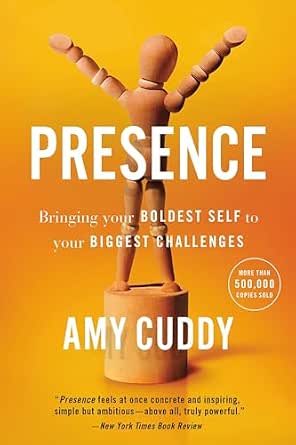
- Presence
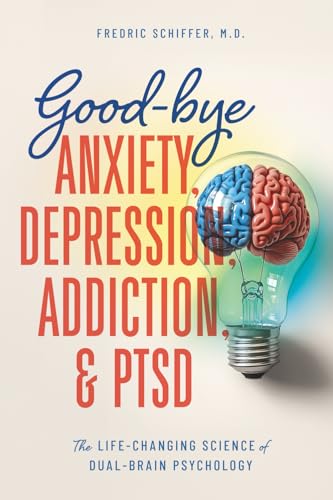
- Good-bye Anxiety, Depression, Addiction & PTSD
- No Bad Parts
- The Dark Psychology Masterclass
- Psychopath Free
- Games People Play
- Publication Manual 7th Edition of the American Psychological
- Psychology Terminology
- Study Like a Champ
- Scattered Minds
- Cognitive Behavioral Therapy
- Tiny Humans, Big Emotions
- The Girl Behind the Gates
| Book Name | Author | Published |
|---|---|---|
| Internal Family Systems Skills Training Manual | Frank Anderson, Richard Schwartz | 2017 |
| Flow | Mihaly Csikszentmihalyi | 2008 |
| Presence | Amy Cuddy | 2015 |
| Good-bye Anxiety, Depression, Addiction & PTSD | Fredric Schiffer M.D. | 2024 |
| No Bad Parts | Richard C. Schwartz PhD | 2021 |
| The Dark Psychology Masterclass | Victor Crowe | 2026 |
| Psychopath Free | Jackson MacKenzie | 2015 |
| Games People Play | Eric Berne | 2016 |
| Publication Manual 7th Edition of the American Psychological | American Psychological Association | 2019 |
| Psychology Terminology | Regina Snyder | 2019 |
| Study Like a Champ | Regan A. R. Gurung, John Dunlosky | 2023 |
| Scattered Minds | Gabor Maté MD | 2023 |
| Cognitive Behavioral Therapy | Olivia Telford | 2020 |
| Tiny Humans, Big Emotions | Alyssa Blask Campbell, Lauren Elizabeth Stauble | 2023 |
| The Girl Behind the Gates | Brenda Davies | 2020 |
Best Psychology Books
1. Internal Family Systems Skills Training Manual
by Frank Anderson, Richard Schwartz

Overview
Internal Family Systems Skills Training Manual provides a comprehensive, revolutionary treatment plan for various mental health conditions. It addresses PTSD, anxiety, depression, substance abuse, and eating disorders through a non-pathologizing approach. Rooted in neuroscience, this guide applies inner resources and self-compassion to facilitate the healing of emotional wounds.
By focusing on an accelerated and evidence-based methodology, the authors offer clinicians and readers a structured way to understand the human psyche and promote long-term recovery through internal harmony and the development of essential self-healing capabilities.
Book Details
| Author | Frank Anderson, Richard Schwartz |
| Pages | 160 pages |
| Publisher | PESI Publishing & Media |
| Published | November 6, 2017 |
| Language | English |
This manual distinguishes itself by offering a practical, trauma-informed framework that avoids traditional pathologizing methods. Written by Frank Anderson and Richard Schwartz, the text bridges complex neuroscience with accessible clinical application. It serves as a vital resource for those looking to understand how the internal system can be rebalanced to alleviate deep-seated emotional distress.
The writing is clear and structured, making it an excellent choice for therapists seeking to integrate these techniques into their professional practice. Readers will find the step-by-step guidance helpful for managing symptoms of anxiety and depression. It provides a clear roadmap for anyone interested in how self-compassion can be used as a primary tool for healing.
Because of its professional focus, this book is particularly well-suited for mental health practitioners and students of psychology. It is also a valuable resource for individuals working with a clinician who want to gain a deeper understanding of their own therapeutic journey. Its compact 160-page format makes it a dense but highly efficient reference for anyone dedicated to the Internal Family Systems model.
“
By embracing all parts of the self with compassion, you can heal deep emotional wounds and restore internal balance.
2. Flow
by Mihaly Csikszentmihalyi

Overview
Flow explores how optimal experience is achieved not by external events, but by the manner in which people make sense of reality. Mihaly Csikszentmihalyi arrives at insights that many readers intuitively grasp despite cultural denial. The text examines how happiness depends on controlling consciousness and finding engagement in daily activities. Through psychological research, the author explains how individuals can direct their attention to master challenges and experience deep satisfaction in their personal and professional lives.
Book Details
| Author | Mihaly Csikszentmihalyi |
| Pages | 336 pages |
| Publisher | Harper Perennial Modern Classics |
| Published | July 1, 2008 |
| Language | English |
Mihaly Csikszentmihalyi examines the mechanics of human happiness through extensive research into optimal experiences. The author shows how everyday moments transform when individuals align their skills with meaningful challenges. Readers discover how to quiet distractions and immerse themselves completely in constructive tasks.
The writing combines rigorous psychological insight with practical observations about human behavior. The pacing invites careful reflection on how people structure their daily routines and mental focus. This 336 page paperback from Harper Perennial Modern Classics offers profound lessons in personal agency.
The concepts resonate deeply with readers seeking greater purpose and engagement in their routines. It suits thoughtful individuals, students of human behavior, and anyone wanting to cultivate lasting fulfillment. The book remains a cornerstone resource for understanding the inner workings of satisfaction.
“
the leading researcher into ‘flow states’
3. Presence
by Amy Cuddy
Overview
Presence by Harvard psychologist Amy Cuddy is a guide to unleashing your boldest self to heighten confidence and influence. The book addresses the common frustration of wishing for a do over after nerve racking challenges like job interviews, difficult conversations, or public performances. By exploring the science of body language and mindset, Cuddy provides actionable strategies to help readers perform at their peak.
It is a practical resource for anyone looking to navigate high pressure situations with greater composure and effectively harness their inner strength when it matters most.
Book Details
| Author | Amy Cuddy |
| Pages | 306 pages |
| Publisher | Little, Brown Spark |
| Published | December 22, 2015 |
| Language | English |
This book stands out by bridging the gap between academic research and everyday performance. Amy Cuddy focuses on how small shifts in our physical presence can lead to significant changes in how we feel and interact with others. It is an empowering read for anyone who has ever felt held back by self doubt during critical moments.
The writing is accessible and grounded in the expertise of a Harvard psychologist. Readers will appreciate the mix of personal anecdotes and scientific insights that explain why we sometimes freeze in high stakes environments. The content is structured to help you regain your footing when you feel most vulnerable.
The book is an excellent choice for professionals, students, or anyone preparing for a daunting public task. It offers a clear path toward building lasting confidence that translates into real world influence. Whether you are facing a career milestone or a personal hurdle, the techniques provided serve as a reliable toolkit for staying present and authentic.
“
Presence feels at once concrete and inspiring, simple but ambitious, above all, truly powerful.
4. Good-Bye Anxiety, Depression, Addiction & PTSD
by Fredric Schiffer M.D.

Overview
A new science of the mind for anxiety, depression, and trauma recovery, this book explores the concept that there are two sides of the brain with one path to emotional relief. It teaches that you are not your anxiety, depression, addiction, or trauma. Instead, another calmer, wiser, and stronger version exists within you. You can access your healthier self through the science of dual-brain psychology.
Book Details
| Author | Fredric Schiffer M.D. |
| Pages | 254 pages |
| Reading Age | 16 – 18 years |
| Publisher | Stoneway Press |
| Published | September 28, 2024 |
| Language | English |
This 254-page paperback from Stoneway Press brings a fresh approach to mental health recovery. Authored by Fredric Schiffer M.D., the book measures 6 by 0.58 by 9 inches and weighs 12.2 ounces. It presents a dual-brain model that aims to help readers find emotional relief from deeply ingrained struggles.
The text suits readers aged sixteen to eighteen and adults alike who seek alternative ways to manage trauma and emotional distress. Schiffer focuses on helping individuals discover a wiser, stronger inner self. This perspective shifts the focus away from feeling defined by disorders or past hardships.
Readers navigating anxiety, depression, or addiction will find structured insights built around psychological science. The concise format keeps the core message clear without overwhelming the audience. It offers a practical framework for anyone looking to foster inner calm and personal resilience.
“
You can heal emotional distress by connecting with the calmer, stronger version of yourself living inside your own mind.
5. No Bad Parts
by Richard C. Schwartz PhD

Overview
Discover an empowering new way of understanding your multifaceted mind and healing the many parts that make you who you are. Readers are taught to question the traditional teaching that we possess just a single identity. This book helps people overcome the fear or shame that arises when they cannot control the inner voices that do not match an ideal standard.
Written by Richard C. Schwartz PhD, the text explores the internal family systems model to help restore inner wholeness and heal from past trauma.
Book Details
| Author | Richard C. Schwartz PhD |
| Pages | 216 pages |
| Publisher | St. Martin's Essentials / Sounds True |
| Published | July 6, 2021 |
| Language | English |
Written by Richard C. Schwartz PhD, this book explores the internal family systems model. It encourages readers to embrace their multifaceted minds and let go of shame.
The writing offers an empowering framework for dealing with internal conflicts. It helps individuals understand the different voices within themselves.
This guide suits anyone looking to heal from trauma and find inner balance. It is ideal for readers interested in personal growth and self-discovery.
“
Embrace every part of your inner mind to heal emotional wounds and restore wholeness.
6. The Dark Psychology Masterclass
by Victor Crowe

Overview
The Dark Psychology Masterclass by Victor Crowe acts as an ultimate guide to understanding mind control, brainwashing, lie detection, body language, vocal cues, emotional exploitation, tactical charm, mental warfare, mind games, and NLP. Written across 286 pages by Golden Book Publishing, this English language paperback explores 77 powerful techniques of persuasion, influence, and manipulation.
Published on January 4, 2026, the book prepares readers to command the power of dark psychology before someone uses it against them, addressing every interaction at work, in relationships, and beyond.
Book Details
| Author | Victor Crowe |
| Pages | 286 pages |
| Publisher | Golden Book Publishing |
| Published | January 4, 2026 |
| Language | English |
Victor Crowe presents a comprehensive exploration of human influence by detailing seventy-seven powerful techniques of persuasion, manipulation, and mind control. The text tackles complex themes like tactical charm, emotional exploitation, and mental warfare to help readers navigate challenging daily interactions. Readers will find deep dives into lie detection, body language, and NLP within the pages of this 286-page English book.
The writing style focuses on exposing hidden manipulative tactics so individuals can protect themselves in both personal and professional environments. By breaking down vocal cues and brainwashing methods, the manual offers actionable insights into how interpersonal influence operates beneath the surface. Each chapter builds a defensive framework against psychological exploitation.
This guide suits everyday professionals, individuals navigating tricky workplace dynamics, and anyone curious about the mechanics of human persuasion. Readers looking to decode body language and spot emotional manipulation will find plenty of practical tools here. It serves as a protective manual for anyone wanting to stay one step ahead of toxic conversational tactics.
“
Recognizing the hidden mechanics of manipulation protects your mind and empowers your daily interactions.
7. Psychopath Free
by Jackson MacKenzie

Overview
Authored by Jackson MacKenzie, this significantly expanded edition of Psychopath Free contains new chapters, updated content, and real survivor experiences. It is specifically designed to help readers recover from emotionally abusive relationships with narcissists, sociopaths, and other toxic people. By exploring the underlying patterns of emotional abuse and toxic behavior, the book provides vital tools for healing and moving forward.
Book Details
| Author | Jackson MacKenzie |
| Pages | 304 pages |
| Publisher | Berkley |
| Published | September 1, 2015 |
| Language | English |
This expanded edition offers an accessible and supportive resource for individuals recovering from toxic relationships. The inclusion of real survivor experiences helps readers feel understood during their healing journey.
The writing focuses clearly on untangling the complex dynamics involving narcissists and sociopaths. Readers will find practical advice and updated chapters that address emotional abuse directly.
It suits individuals seeking guidance after difficult relationships, as well as gift buyers supporting friends or family members. The thoughtful layout and compassionate tone make it an essential guide for emotional recovery.
“
Healing from emotional abuse starts by recognizing toxic patterns and reclaiming your inner peace.
8. Games People Play
by Eric Berne

Overview
Are you fed up of feeling controlled at work, or feeling trapped in a toxic relationship without knowing how to escape? Do you always feel like you lose the argument even if you know deep down you are right? Games People Play by Eric Berne explores the psychology of human relationships.
This first edition text from Penguin Life, published in 2016, spans 176 pages and weighs 4.6 ounces. It addresses common interpersonal struggles, offering profound insights into why people act the way they do during daily interactions.
Book Details
| Author | Eric Berne |
| Pages | 176 pages |
| Publisher | Penguin Life |
| Published | June 2, 2016 |
| Language | English |
Eric Berne wrote a fascinating book that uncovers the hidden psychological games people play during everyday interactions. The writing exposes why individuals often fall into repetitive, unhealthy patterns in their personal and professional lives. Readers will find practical insights that help decode complicated social dynamics.
The reading experience is both eye-opening and deeply empowering for anyone struggling with difficult relationships. Berne unpacks complex concepts into accessible ideas that resonate with everyday experiences. The short format makes it an efficient yet impactful read for anyone looking to understand human behavior better.
This book suits readers who want to stop feeling controlled at work or trapped in toxic relationships. Gift buyers will find it to be a thoughtful present for friends navigating tricky social or professional dynamics. Anyone who feels like they constantly lose arguments will appreciate the clarity this guide provides.
“
Recognizing the hidden games people play in everyday interactions is the first step toward reclaiming control over your life and relationships.
9. Publication Manual 7th Edition of the American Psychological
by American Psychological Association

Overview
The newest official release of the Publication Manual of the American Psychological Association, Seventh Edition serves as an essential resource for writers and researchers. It includes four different formats such as spiral-bound and tabbed, paperback, hardcover, and ebook, all of which are presented in full color. This comprehensive manual stands as a bestseller recognized by major publications including the Wall Street Journal, USA Today, and Publishers Weekly, providing authoritative guidance for academic writing, formatting, and referencing standards.
Book Details
| Author | American Psychological Association |
| Pages | 428 pages |
| Reading Age | 1 year and up |
| Publisher | American Psychological Association |
| Published | October 1, 2019 |
| Language | English |
This official reference manual provides clear and structured guidance for academic writing, formatting, and style standards. It serves as an essential tool for students and researchers who need to navigate complex citation rules with ease. The comprehensive layout ensures that users can locate specific guidelines quickly during the writing process.
Available in multiple formats like spiral bound, paperback, hardcover, and ebook, the book accommodates different user preferences. The full color design enhances readability and helps clarify complex formatting examples. Every section is organized logically to support accurate manuscript preparation from start to finish.
The manual suits students, professional researchers, and academic writers aiming for precision in their work. It functions as a reliable reference companion for anyone required to follow formal publication standards. Gift buyers will find it practical for educators and psychology majors entering advanced study.
“
This essential manual provides clear and authoritative guidance for mastering academic writing and citation standards.
10. Psychology Terminology
by Regina Snyder

Overview
Find the words and definitions you need faster than any other source, plus psychologists and their most consequential work, defined theories, as well as areas of study in alphabetical order. In 6 laminated pages, expertly written and concise definitions can support your studies with just a glance.
Book Details
| Author | Regina Snyder |
| Pages | 6 pages |
| Publisher | QuickStudy |
| Published | May 1, 2019 |
| Language | English |
This quick reference guide is built for students who need fast access to reliable psychological definitions. It condenses complex terms and major theories into a clear alphabetical layout. You can find key psychologists and their most consequential work within seconds.
The concise format spans six laminated pages for easy desk use. Expertly written definitions provide immediate clarity without unnecessary fluff. It acts as a handy companion during intense study sessions or quick reviews.
Students will appreciate how easily it simplifies dense subject matter. It suits learners who want to reinforce their understanding of broad areas of study at a glance. Anyone tackling introductory or advanced psychology courses will find it remarkably useful.
“
Simplify your study sessions with concise, alphabetized psychological definitions right at your fingertips.
11. Study Like a Champ
by Regan A. R. Gurung, John Dunlosky

Overview
Study Like a Champ is an engaging and student friendly guide designed to debunk major myths about studying while providing practical tips. Written by expert psychologists in cognitive science, the 224 page paperback from the APA LifeTools Series reveals the hidden secrets of what really works. Readers learn how to study smarter rather than harder, using research backed strategies that improve learning outcomes and academic performance.
Book Details
| Author | Regan A. R. Gurung, John Dunlosky |
| Pages | 224 pages |
| Publisher | APA LifeTools |
| Published | January 10, 2023 |
| Language | English |
| Series | APA LifeTools Series |
This student friendly book debunks major myths about studying and provides practical tips for how students can learn to study smarter, not harder. Cognitive science has revealed the hidden secrets of what really works for studying.
Written by psychologists who are experts in the science of learning, the book translates complex research into accessible, actionable advice. Readers will find clear guidance on improving their daily habits to achieve better academic results.
The book is an ideal choice for students looking to elevate their performance and educators seeking evidence based teaching methods. Gift buyers will also find it a thoughtful and practical present for anyone heading to high school or college.
“
Cognitive science reveals that studying smarter relies on proven psychological strategies rather than outdated myths.
12. Scattered Minds
by Gabor Maté MD

Overview
From renowned mental health expert and speaker Dr. Gabor Mate, Scattered Minds explodes the myth of attention deficit disorder, commonly known as ADD or ADHD, as strictly genetically based. The book offers real hope and practical advice for children and adults who live with the condition. In this breakthrough guide to understanding, treating, and healing, the author explores the origins of attention deficit disorder and provides valuable perspectives for readers navigating these challenges in daily life.
Book Details
| Author | Gabor Maté MD |
| Pages | 367 pages |
| Publisher | Avery |
| Published | February 7, 2023 |
| Language | English |
Dr. Gabor Mate offers a fresh perspective on attention deficit disorder by challenging the traditional belief that the condition is purely genetic. The text guides both adults and children toward healing through a deeper understanding of the origins of their symptoms.
The writing style remains accessible and engaging while tackling complex mental health topics. Readers seeking a compassionate look at neurodiversity will find thoughtful insights that reframe common struggles into opportunities for genuine growth and recovery.
This 367-page book suits parents, adults with the condition, and educators looking for empathetic guidance. Published by Avery in English, the format supports digital reading with enhanced typesetting and screen reader compatibility.
“
Attention deficit disorder stems from complex developmental origins rather than genetics alone, offering new pathways for healing.
13. Cognitive Behavioral Therapy
by Olivia Telford

Overview
Cognitive Behavioral Therapy focuses on the practical application of psychological techniques to help readers achieve greater happiness, inner peace, and self-confidence. The book explores the idea that individual thoughts shape one’s reality, influencing everything from personal relationships to career success. By providing simple, actionable strategies, it guides readers through the process of taking control of an unruly mind.
This resource serves as a tool for those looking to improve their lives by shifting their perspective and mastering their internal thought patterns to find lasting emotional balance.
Book Details
| Author | Olivia Telford |
| Pages | 167 pages |
| Publisher | Independently published |
| Published | April 27, 2020 |
| Language | English |
| Series | The Calm Mind |
This book stands out by offering a straightforward and accessible entry point into cognitive behavioral techniques. It focuses on the power of the mind and how internal narratives dictate our external experiences. The writing is clear and direct, making complex psychological concepts feel manageable for anyone seeking personal growth.
Readers will find the techniques presented are easy to implement in daily life. The book excels at breaking down the relationship between thoughts and emotions, providing a roadmap for those who feel overwhelmed by their own mental patterns. It serves as a practical guide for self-improvement rather than just a theoretical discussion of therapy.
It is an excellent choice for individuals who want to take charge of their mental well-being and build stronger self-confidence. Whether you are struggling with daily stress or looking to refine your outlook on life, the guidance here is designed to be immediately useful. It is particularly well-suited for beginners who prefer simple, direct advice over dense academic material.
“
By consciously reshaping your thought patterns, you can gain control over your emotions and create a more peaceful, successful life.
14. Tiny Humans, Big Emotions
by Alyssa Blask Campbell, Lauren Elizabeth Stauble

Overview
Authored by early childhood experts Alyssa Blask Campbell and Lauren Elizabeth Stauble, this New York Times bestseller serves as an essential guidebook for parents. It empowers caregivers to help little ones navigate big feelings such as tantrums, outbursts, and separation anxiety. The book provides practical strategies to manage challenging behaviors while laying the vital groundwork for a lifetime of emotional intelligence in children.
Book Details
| Author | Alyssa Blask Campbell, Lauren Elizabeth Stauble |
| Publisher | Harvest |
| Published | October 10, 2023 |
| Language | English |
Written by early childhood experts Alyssa Blask Campbell and Lauren Elizabeth Stauble, this book gives parents practical tools to help little ones handle big feelings. It addresses everyday challenges like separation anxiety, outbursts, and tantrums with a focus on building long term emotional intelligence. Readers get a compassionate and structured path to support their children through difficult moments.
The writing centers on practical methods that shift how adults view and respond to childhood behavior. Instead of punishing or dismissing intense emotions, the guidance encourages connection and understanding. This makes the reading experience both reassuring and actionable for parents who feel overwhelmed by daily meltdowns.
This audiobook version spans ten hours and thirteen minutes in an unabridged format, expertly narrated by Alyssa Blask Campbell. It suits parents, caregivers, and family members seeking clear advice on raising emotionally resilient children without resorting to harsh discipline.
“
Helping children navigate big emotions builds the foundation for a lifetime of healthy resilience and self-awareness.
15. The Girl Behind the Gates
by Brenda Davies

Overview
The Girl Behind the Gates is a gripping and heartbreaking historical novel based on a true story. It offers an emotional look into the past that resonates deeply with readers. The narrative explores significant personal struggles within an institutional setting, capturing the intense feelings and experiences of the protagonist.
With its focus on profound human suffering and resilience, the book provides a moving perspective on historical events. It is a powerful, tear-jerking account that leaves a lasting impact on those who follow this difficult and compelling journey.
Book Details
| Author | Brenda Davies |
| Pages | 386 pages |
| Publisher | Hodder & Stoughton |
| Published | May 28, 2020 |
| Language | English |
This book stands out for its raw emotional weight and its ability to transport readers into a challenging historical reality. The writing style is deeply immersive, often requiring readers to pause as they process the heavy themes and intense narrative arcs. It succeeds by grounding its historical context in a narrative that feels both authentic and deeply personal.
The reading experience is intense and evocative, designed to elicit a strong empathetic response from the audience. It is clearly crafted for those who enjoy historical fiction that does not shy away from sorrow or the complexities of the human condition. The pacing supports the emotional depth of the story, ensuring that every development hits with maximum impact.
This title is an excellent choice for readers who appreciate narratives centered on true stories and human endurance. It is particularly well suited for those who are prepared for a profound, tearful journey through history. Gift buyers looking for a deeply moving and memorable read will find this book to be a high-impact choice for their recipients.
“
A powerful and deeply moving story that explores the resilience of the human spirit while navigating the hardships of a difficult historical reality.
How to Choose the Best Psychology Books
Choosing a psychology book is a deeply personal journey because our minds are all so different. Some readers want to understand their own habits, while others are looking to heal from past struggles. You might also be a student, a therapist, or simply a curious observer of human behavior. Finding the right book requires you to look beyond the cover and think about what you truly need from the pages.
The field of psychology is incredibly broad, spanning from dense academic research to lighthearted self-improvement guides. A book that inspires one person might feel dry or overwhelming to another. To make the best choice, it helps to slow down and consider a few key aspects of how these books are written and structured. By doing so, you can find a book that matches both your current energy levels and your reading habits.
Your Primary Goal and Current Level
Before you purchase any book, you should clarify what you hope to gain from reading it. If you are struggling with specific challenges like anxiety or attention issues, you will want a book focused on clinical insights and coping strategies. For instance, books like Scattered Minds or Good-bye Anxiety, Depression, Addiction & PTSD offer targeted support for specific mental health struggles. These books are designed to help you make sense of your internal experiences and find a path forward.
On the other hand, you might be looking for professional development or academic mastery. Students and practitioners will benefit most from highly structured resources like Study Like a Champ or the Publication Manual 7th Edition of the American Psychological. These books do not focus on personal healing but rather on building practical skills for research, writing, and academic success.
Matching the book to your current life stage ensures that you do not feel bored by simple concepts or lost in complex jargon.
Finally, there are many books written for general readers who simply want to understand human nature better. Classic titles like Games People Play or Flow explore the fascinating ways we interact with each other and experience the world. These books are perfect for weekend reading because they offer intriguing ideas without requiring a background in science. They help you look at your daily life through a fresh, analytical lens.
The Writing Style and Accessibility
The tone of a psychology book can completely change how you engage with its ideas. Some authors write with the warm, compassionate voice of a therapist sitting across from you in a quiet room. Books like No Bad Parts or Tiny Humans, Big Emotions use gentle language to guide you through sensitive emotional topics. This style is incredibly comforting if you are exploring difficult feelings or learning how to parent more mindfully.
Other books adopt a more analytical, research-driven tone that focuses on data and case studies. This approach is common in books like Presence, which combine scientific evidence with inspiring stories of human resilience. If you are a skeptical reader, you will appreciate authors who back up their claims with solid experiments and peer-reviewed studies. This style helps build trust and keeps you engaged with the underlying science.
You should also consider whether the book uses narrative storytelling or direct instruction. Some books weave complex psychological concepts into gripping, real-life stories to keep you turning the pages. For example, The Girl Behind the Gates uses a narrative format to explore deep psychological themes and human struggles. This style is often much easier to digest than a textbook because it connects abstract ideas to real human experiences.
Practical Exercises Versus Theoretical Concepts
Some psychology books are designed to be read passively, while others demand your active participation. If you want to make active changes in your daily life, look for books that include worksheets, prompts, and exercises. Resources like the Internal Family Systems Skills Training Manual or guides on Cognitive Behavioral Therapy are built for action. They give you concrete steps to practice every day, turning theory into real personal growth.
If you prefer to reflect quietly on big ideas, a theoretical book might be a better fit. These books focus on shifting your perspective rather than giving you a daily to-do list. They help you understand the “why” behind human behavior instead of just the “how.” This approach is wonderful for long-term intellectual growth, even if it does not offer immediate, step-by-step solutions.
Many of the best books strike a balance between these two styles. They introduce a fascinating concept and then immediately offer a small exercise to help you apply it. This keeps the reading experience dynamic and prevents you from feeling overwhelmed by too much information. When browsing, take a quick look at the table of contents to see if there are dedicated practice sections.
Format, Length, and Structure
The physical or digital format of the book can influence how much you enjoy it. A massive reference guide is excellent for keeping on your desk, but it is not something you want to carry on your daily commute. If you have a busy schedule, look for books with short, self-contained chapters that you can finish in ten minutes. This allows you to make steady progress without needing hours of uninterrupted quiet time.
You should also think about the vocabulary and overall length of the book. A quick, accessible guide like Psychology Terminology is perfect for beginners who want to learn the basics quickly. Meanwhile, a deep dive into complex therapeutic models will require a much larger page count and more focused attention. Be honest with yourself about how much time you can realistically dedicate to reading each week.
Considering Reader Feedback and Reviews
When you are choosing a book, it is incredibly helpful to look at what other readers are saying. Pay close attention to reviews from people who share your specific goals or challenges. If multiple reviewers mention that a book helped them through a difficult time, it is likely to be a compassionate and effective resource. However, if reviews suggest the book is highly technical, you should prepare yourself for a more academic reading experience.
You can also look for feedback on how easy the exercises are to implement in daily life. Some readers will share how a workbook helped them establish a steady routine of self-reflection. Others might warn that the concepts are beautiful but difficult to apply without professional guidance. This real-world feedback is invaluable for helping you set realistic expectations before you begin turning the pages.
To help you quickly decide which type of book aligns with your current needs, you can use the simple breakdown below. It highlights the main categories of psychology books and who they are best suited for. This table acts as a quick reference as you start your search.
| Book Category | Primary Focus | Best Suited For |
|---|---|---|
| Self-Help and Healing | Personal growth, overcoming anxiety, and emotional recovery | Individuals seeking personal change and healing |
| Academic and Study Guides | Research methods, writing style, and terminology | Students, researchers, and mental health professionals |
| General Interest and Theory | Human behavior, social dynamics, and cognitive science | Curious readers and lifelong learners |
| Parenting and Relationships | Child development, emotional regulation, and family bonds | Parents, caregivers, and educators |
As you explore these different categories, remember that your needs can change over time. You might start with a general interest book to spark your curiosity and later move to a practical workbook. The most important step is to choose a book that feels inviting and manageable for you right now. Happy reading as you embark on this journey into the fascinating world of the human mind.
How Much Impact Can Books About Psychology Have?
Books about psychology offer a unique lens through which we can view our own internal experiences and the behaviors of those around us. When you pick up a book like Internal Family Systems Skills Training Manual or No Bad Parts, you are not just reading words on a page. You are engaging with frameworks that can shift how you perceive your internal conflicts. These texts provide a structured way to look at the mind, but the transformation happens only when you move from passive reading to active application.
Real change is rarely instantaneous. While a book like Flow might offer immediate insights into the nature of happiness and engagement, integrating those concepts into your daily habits requires patience. You might find that re-reading specific chapters is necessary as your life circumstances evolve. Many readers find it helpful to keep a journal alongside their reading to track how the theories in books like Cognitive Behavioral Therapy or Good-bye Anxiety, Depression, Addiction & PTSD apply to their personal challenges.
It is important to acknowledge that books have natural limits. While a guide like Tiny Humans, Big Emotions can provide parents with valuable strategies for navigating childhood development, it cannot replace professional clinical support when a situation is severe. These books serve as excellent starting points or companions to therapy, but they are not a substitute for expert intervention. They work best when used as tools for self-reflection and personal growth rather than as quick fixes for complex psychological issues.
To get the most out of your reading, consider how you consume the material. If you are reading something dense like the Publication Manual 7th Edition of the American Psychological Association or Psychology Terminology, you might treat it as a reference guide. For more narrative or self-help focused works like The Girl Behind the Gates or Scattered Minds, you might prefer a slower pace. Discussing these ideas with a friend or a study group can also deepen your understanding. When you explain a concept from a book like Games People Play to someone else, you often clarify your own grasp of the subject.
Some books require a different type of commitment. A title like The Dark Psychology Masterclass or Psychopath Free deals with heavier, more complex social dynamics. These books are designed to help you recognize patterns in others, which can be an empowering process. However, focusing on these topics for too long can be draining. It is often wise to balance your reading list with more positive or practical subjects like Study Like a Champ or Presence to ensure your learning journey remains sustainable.
The impact of these books is ultimately defined by your own willingness to experiment with the ideas presented. You do not need to implement every suggestion at once. Even small adjustments to how you handle your emotions or how you interpret social interactions can create a ripple effect. Use the following table to help decide which type of book might suit your current needs or goals.
| Category | Best Used For | Recommended Approach |
| Academic Texts | Foundational knowledge and research | Use as a reference or study aid |
| Self-Help Guides | Practical habit changes | Apply one skill at a time |
| Memoirs and Narratives | Empathy and perspective | Reflect on the themes presented |
| Clinical Manuals | Understanding specific techniques | Follow the exercises systematically |
When you approach a book like Presence, try to identify one specific takeaway you can test in your next conversation. If you are reading Scattered Minds, look for one environmental change you can make to improve your focus. This shift from reading to doing is where the real value lies. You are the bridge between the author’s research and the reality of your daily life.
Consider the following steps to maximize your reading experience:
1. Identify your primary goal before you start a new book.
2. Read in short, focused bursts rather than trying to finish the book in one sitting.
3. Highlight or write down key questions that arise as you read.
4. Try to explain the core concept of the book to someone else.
5. Revisit your notes after a few weeks to see if your perspective has changed.
Books like Psychopath Free or The Dark Psychology Masterclass might change how you interact with new people, while books like Flow or Presence might change how you spend your time. Each of these books acts as a mirror, showing you parts of your personality or environment that you might have previously overlooked. Do not feel pressured to agree with every single point an author makes. The most useful reading experience is one where you critically engage with the text and keep what resonates with your own values.
Patience is your greatest asset when exploring psychology. You are likely to encounter concepts that feel challenging or even contradictory. This is a normal part of the learning process. If you find yourself struggling with a complex idea, look for other sources or simply set the book aside for a while. Returning to a book like Games People Play or Internal Family Systems Skills Training Manual after a break can often provide the clarity you were missing earlier.
Finally, remember that the goal is progress, not perfection. Whether you are a student, a parent, a teacher, or simply a curious reader, these books are meant to support your journey. They provide the vocabulary and the frameworks to understand the human condition, but you provide the lived experience. By combining these resources with a thoughtful and consistent approach, you can make meaningful strides in your personal and professional development. Trust the process and allow yourself the time to grow alongside the books you choose.
Frequently Asked Questions
How Do I Choose the Right Psychology Book for Beginners?
Starting your journey into psychology requires choosing titles that balance clear explanations with engaging topics. Books like Games People Play or Tiny Humans, Big Emotions offer accessible insights into human behavior without overwhelming academic jargon. Think about whether you want to understand social interactions, childhood development, or personal habits before making your selection.
You should also consider your reading goals and preferred format. Some readers prefer practical workbooks like Internal Family Systems Skills Training Manual, while others enjoy narrative explorations like The Girl Behind the Gates. Reading customer reviews and checking the author’s background can also help you find a suitable match for your current interests.
Are Psychology Books Helpful for Anxiety and Mental Health?
Many psychology titles provide valuable psychoeducation and coping strategies for daily emotional challenges. Books such as Good-bye Anxiety, Depression, Addiction & PTSD and Presence offer perspectives on managing stress and finding calm. These resources can complement professional therapy by helping you understand the underlying patterns of your thoughts and feelings.
However, reading self-help texts is not a direct replacement for clinical treatment from a qualified healthcare provider. If you are experiencing severe psychological distress, it is important to seek support from a licensed professional. Books serve best as educational tools and guides to support your personal growth alongside professional care.
What Are the Best Books for Understanding Relationships?
Understanding the dynamics of human connection is a major focus in many popular psychology texts. Games People Play remains a classic choice for examining the hidden scripts and transactions that shape our daily interactions. For those dealing with difficult interpersonal situations, books like Psychopath Free offer guidance on recognizing toxic behaviors and recovering from harmful relationships.
Other titles explore how our internal systems influence our connections with partners, family members, and colleagues. No Bad Parts and Internal Family Systems Skills Training Manual help readers understand the different parts of the self that react during conflicts. Exploring these themes can lead to more empathy, better communication, and healthier relationship boundaries.
Can Psychology Books Help Me Study and Learn Better?
Applied psychology offers numerous evidence-based strategies for improving memory, focus, and academic performance. Study Like a Champ is a dedicated resource designed to help students optimize their learning techniques using cognitive science. These texts break down the science of how the brain absorbs and retains information, making study sessions more efficient.
By understanding cognitive processes, learners can replace ineffective habits with proven methods like spaced repetition and active recall. These books suit students of all ages, as well as educators looking to improve classroom instruction. Applying these principles can transform academic struggles into manageable and successful habits.
What Is the Difference Between Clinical Manuals and General Psychology Reads?
Clinical manuals are specialized texts written for practitioners, researchers, and students in the mental health field. Titles like Publication Manual 7th Edition of the American Psychological and Internal Family Systems Skills Training Manual provide standardized guidelines, therapeutic frameworks, and technical methodologies. They require a foundational understanding of psychological terminology and clinical practice.
General psychology reads are written for a broader audience seeking personal insight or general knowledge about the human mind. Books like Flow, Presence, and Scattered Minds explore broader themes of happiness, attention, and neurodivergence in an engaging way. General books focus on narrative and relatable applications, whereas manuals focus on professional application and academic rigor.
Are There Psychology Books Suitable for Parents and Educators?
Parents and teachers often look for psychological guidance to help children navigate their emotions and development. Tiny Humans, Big Emotions is a popular choice for adults seeking practical ways to support young children through emotional outbursts. These books translate complex developmental psychology into actionable advice for everyday situations at home and in the classroom.
Understanding the psychological needs of children can improve behavioral management and strengthen emotional bonds. Books like Scattered Minds also offer deep insights into neurodiversity, helping caregivers support individuals with attention differences. These resources empower adults to foster nurturing environments where children can thrive emotionally and socially.
Where Should I Start If I Want to Study Academic Psychology?
Beginning an academic study of psychology requires a solid foundation in core terminology and standard research practices. Psychology Terminology and the Publication Manual 7th Edition of the American Psychological are essential starting points for students navigating academic requirements. These books help learners master the language of the discipline and understand proper formatting for research papers.
Students should also explore foundational texts on cognitive processes, behavioral therapy, and historical case studies. Books like The Dark Psychology Masterclass and Cognitive Behavioral Therapy offer deeper dives into specific branches of the field. Combining these academic references with accessible popular psychology reads will create a well-rounded and comprehensive educational foundation.
Last Word
If you want the best overall pick, start with Internal Family Systems Skills Training Manual for its practical, transformative approach to working with different parts of the self. Readers seeking deep emotional healing or professional guidance will find it exceptionally useful.
For those focused on everyday clarity and focus, Flow offers brilliant insights into optimal experience. Parents and educators will benefit greatly from Tiny Humans, Big Emotions.
Take time to think about your specific goals before buying. The right title depends entirely on whether you want academic depth, therapeutic tools, or parenting strategies.