
What is the best kindergarten book?
That depends on the child. Some are nervous about the first day and need a story that makes school feel safe. Others are ready to read and want phonics practice. Teachers and parents often want a workbook for counting and letters.
So a good list has to serve different readers. The kindergarten books below cover picture books about starting school, early readers, and workbooks for skills practice. We looked at reading age, page count, format and who each one suits.


Here are the titles worth a closer look, with a note on the reader each one fits best.
What Are the Best Books About Kindergarten?
- Pete the Cat 12-Book Phonics Fun!
- Kindergarten Big Workbook Ages 5 -6
- Bob Books
- The Smart Cookie
- The Rainbow Fish
- First Little Readers Parent Pack
- The Complete Kindergarten Workbook
- How to Be Kind in Kindergarten
- See You Later, Alligator
- The Night Before Kindergarten
- The Leaf Thief
- I’m Going to Kindergarten!
- KINDergarten
- The Best Seat in Kindergarten
- Kindergarten, Here I Come!
| Book Name | Author | Published |
|---|---|---|
| Pete the Cat 12-Book Phonics Fun! | Dean, James, Dean, Kimberly | 2017 |
| Kindergarten Big Workbook Ages 5 -6 | Gold Stars | 2019 |
| Bob Books | Maslen, Bobby Lynn | 2006 |
| The Smart Cookie | John, Jory | 2021 |
| The Rainbow Fish | Pfister, Marcus | 1999 |
| First Little Readers Parent Pack | Charlesworth, Liza, Schecter, Deborah | 2010 |
| The Complete Kindergarten Workbook | Books, BrainWave | 2024 |
| How to Be Kind in Kindergarten | Steinberg, D.J. | 2021 |
| See You Later, Alligator | Hopgood, Sally | 2016 |
| The Night Before Kindergarten | Wing, Natasha | 2001 |
| The Leaf Thief | Hemming, Alice | 2021 |
| I’m Going to Kindergarten! | Posner-Sanchez, Andrea | 2022 |
| KINDergarten | Ahiyya, Vera | 2022 |
| The Best Seat in Kindergarten | Kenah, Katharine | 2019 |
| Kindergarten, Here I Come! | Steinberg, D.J. | 2012 |
15 Best Kindergarten Books
1. Pete the Cat 12-Book Phonics Fun!
by Dean, James, Dean, Kimberly
Overview
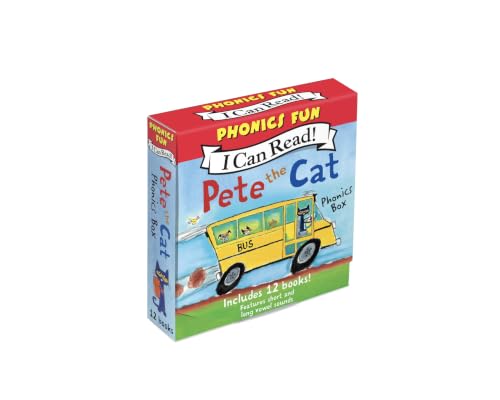
Pete the Cat 12-Book Phonics Fun! is a boxed set of twelve mini-books built around short and long vowel sounds. It is designed as a beginning reader series for children ages 3 to 6, published by HarperCollins in an illustrated paperback edition. Across 144 pages, the set pairs phonics practice with the familiar Pete the Cat character, giving early readers a gentle, playful way to work through vowel sounds one small book at a time.
Book Details
| Author | Dean, James, Dean, Kimberly |
| Pages | 144 pages |
| Publisher | HarperCollins |
| Published | January 3, 2017 |
| Language | English |
This set stands out because it breaks phonics practice into twelve small books instead of one big one. Each mini-book focuses on vowel sounds, so a child gets a narrow, manageable slice of practice at a time. The format keeps early readers from feeling overwhelmed and gives them a sense of finishing something real.
James and Kimberly Dean keep the tone light and playful, which matters for children just starting to decode words. The illustrated paperback format and the familiar cat character make the reading feel like fun rather than a drill. At 144 pages across the box, there is plenty of material without any single session feeling long.
It suits children ages 3 to 6 who are ready for beginning reader books, and it works well for parents and teachers building a phonics routine at home or in class. The boxed set also makes a practical gift for a child about to start kindergarten.
“
Twelve small books turn vowel sound practice into short, finishable reading wins for beginners.
2. Kindergarten Big Workbook Ages 5 -6
by Gold Stars

Overview
Kindergarten Big Workbook Ages 5 -6 is a 320-page activity workbook from the Gold Stars Series, published by Lodi Publishing. It contains more than 220 activities covering writing, phonics, reading and language arts, counting and math. The paperback format is aimed at children ages 5 to 6, giving them a broad mix of kindergarten-level practice in one thick book.
Book Details
| Author | Gold Stars |
| Pages | 320 pages |
| Publisher | Lodi Publishing |
| Published | October 15, 2019 |
| Language | English |
What makes this workbook stand out is sheer breadth. With over 220 activities across 320 pages, it covers writing, phonics, reading and language arts, plus counting and math. That range means one book can support several parts of a kindergarten week instead of just one subject.
The Gold Stars Series approach is straightforward practice, and the page count gives parents and teachers plenty to draw from over time. Activities are varied enough to move between letters, sounds and numbers, which helps hold a five or six year old’s attention. It works best as a pick-and-choose resource rather than something to work through front to back.
It suits parents who want structured at-home practice and teachers who need extra material for centers or quiet work. The thick paperback format makes it a solid value choice for families preparing a child for kindergarten or reinforcing skills during the year.
“
One thick workbook covers letters, sounds and numbers for a full year of kindergarten practice.
3. Bob Books
by Maslen, Bobby Lynn

Overview
Bob Books – Set 1: Beginning Readers Box Set is a phonics box set from Scholastic Inc., written by Bobby Lynn Maslen. It is aimed at children ages 4 and up and sits at Stage 1: Starting to Read, making it an entry point for kindergarten readers. The paperback box set runs 144 pages and uses easy to read text to help children take their first steps into reading.
Book Details
| Author | Maslen, Bobby Lynn |
| Pages | 144 pages |
| Publisher | Scholastic Inc. |
| Published | May 1, 2006 |
| Language | English |
This set stands out for its clear purpose: it is Stage 1, Starting to Read, so it is built for children taking their very first steps. The easy to read text keeps the focus on simple decoding rather than long sentences. For a child who is just beginning, that narrow focus is the whole point.
Bobby Lynn Maslen writes with the earliest reader in mind, and the box set format gives children a stack of small successes to work through. At 144 pages, there is enough material to build a routine without the book feeling heavy. The staged structure means progress feels visible, which encourages children to keep going.
It suits children ages 4 and up who are starting to read, along with parents and teachers who want a phonics based starting point. The boxed set also makes a sensible gift for a child heading into kindergarten.
“
A stage one boxed set that gives brand new readers small, steady steps into reading.
4. The Smart Cookie
by John, Jory

Overview
The Smart Cookie is part of the Food Group series by John, Jory, alongside titles like The Bad Seed and The Good Egg. This hardcover picture book runs 40 pages and was published by HarperCollins in November 2021. It tells a story about self-esteem and what it means to feel smart, following a cookie character who learns to believe in its own abilities.
Book Details
| Author | John, Jory |
| Pages | 40 pages |
| Publisher | HarperCollins |
| Published | November 2, 2021 |
| Language | English |
The Smart Cookie takes a gentle look at self-esteem through a story about feeling smart. Jory’s writing keeps the message light, so the lesson lands without feeling like a lecture. It fits well with the other Food Group books, which share the same playful tone.
At 40 pages in hardcover, it gives you a full picture book read, good for a bedtime session or a classroom discussion about confidence. The story works for young children who are starting to compare themselves to others and need a reminder that smarts come in different forms.
Parents and teachers looking for a gentle way into conversations about self-worth will find this useful. It also works as a gift for a child who enjoys the Food Group series. The focus stays on the story and its message rather than on flashy extras.
“
Feeling smart starts with believing in yourself, and this cookie learns that lesson one small step at a time.
5. The Rainbow Fish
by Pfister, Marcus

Overview
The Rainbow Fish is a board book by author and illustrator Marcus Rose, published by Northsouth. This edition runs 14 pages and appeared in January 1999, with text in both English and German. It is the board book version of a well-known illustrated story about a fish, presented in a sturdy format for the youngest readers.
Book Details
| Author | Pfister, Marcus |
| Pages | 14 pages |
| Publisher | NorthSouth Books |
| Published | January 27, 1999 |
| Language | English, German |
The Rainbow Fish is a board book edition of Marcus’s illustrated story, sized for small hands. At 14 pages it is short enough for very young children, and the board format suits babies and toddlers who are just starting to handle books.
The bilingual English and German text gives it an extra use for families raising children with both languages. Marcus’s illustrated style carries the story, and the short page count keeps the reading experience quick and focused for early attention spans.
It suits parents and gift buyers looking for a first book for a baby or toddler. Teachers in early years settings may also find it handy for short group reads, though the board format is mainly aimed at home use.
“
A short, illustrated board book that introduces the youngest readers to a well-loved fish story in two languages.
6. First Little Readers Parent Pack
by Charlesworth, Liza, Schecter, Deborah

Overview
First Little Readers Parent Pack is a guided reading set from Scholastic Teaching Resources, published in October 2010. The paperback pack contains 25 short books aimed at beginning readers at Guided Reading Level A. Authors Liza and Deborah have put together a set designed to match the level of children who are just starting out with reading.
Book Details
| Author | Charlesworth, Liza, Schecter, Deborah |
| Pages | 25 pages |
| Publisher | Scholastic Teaching Resources (Teaching Strategies) |
| Published | October 1, 2010 |
| Language | English |
First Little Readers Parent Pack gathers 25 short paperback books at Guided Reading Level A, aimed squarely at children taking their first steps as readers. The set comes from Scholastic Teaching Resources, so the levelling follows a structure teachers already know.
Because each book is short, a child can finish one and feel a sense of progress. The pack is built for repeated practice at home, with parents working through the titles alongside a beginner. The illustrated paperback format keeps the set light and easy to store.
Parents supporting early reading will get the most from this, and teachers may use it for one to one practice. It suits families who want a ready made set rather than single titles. The focus is on steady practice at the right level.
“
Twenty five short books at one gentle level give new readers plenty of chances to practise and succeed.
7. The Complete Kindergarten Workbook
by Books, BrainWave

Overview
The Complete Kindergarten Workbook is a 170 page paperback packed with more than 150 activities for children ages 5 to 7. It covers math, reading, writing, science and more, with the stated aim of building confidence and preparing young learners for academic success. Published independently in October 2024, it is designed as a broad practice companion for the kindergarten year.
Book Details
| Author | Books, BrainWave |
| Pages | 170 pages |
| Publisher | Independently published |
| Published | October 26, 2024 |
| Language | English |
This workbook stands out for its breadth. Rather than drilling a single subject, it spreads more than 150 activities across math, reading, writing and science, so a child meets variety on every page. For parents who want one book on the shelf instead of five, that range is the main draw.
The format is simple and familiar. It is a 170 page paperback aimed at ages 5 to 7, which means most children will need an adult nearby to read instructions and keep momentum. The activities are built around confidence, so the tone stays encouraging rather than test-like.
It suits families preparing a child for school or reinforcing the kindergarten year at home. Teachers may find it useful for extra practice, and gift buyers get a substantial book for the money. Just note it is independently published, so sample pages before you commit.
“
One thick workbook that covers the whole kindergarten year, giving young learners variety and confidence in a single book.
8. How to Be Kind in Kindergarten
by Steinberg, D.J.

Overview
How to Be Kind in Kindergarten is a short paperback picture book aimed at children starting school. Published by Grosset & Dunlap in 2021, it runs to 32 pages and is written by D.J. Steinberg. The book focuses on kindness as a everyday habit for young pupils, offering gentle guidance for the classroom and playground. Its compact size is designed so it can travel in a backpack, making it easy to keep close during the first weeks of school.
Book Details
| Author | Steinberg, D.J. |
| Pages | 32 pages |
| Publisher | Grosset & Dunlap |
| Published | June 29, 2021 |
| Language | English |
This is a gentle, practical book for children who are just getting used to a classroom. D.J. Steinberg keeps the tone warm and reassuring, and the short page count of 32 means it fits neatly into a bedtime read or a quiet moment before school. The focus stays on simple, everyday kindness rather than big lessons.
Because it is a paperback from Grosset & Dunlap, it works well as a shared read for parents and teachers. The language is pitched at young listeners and early readers, so adults can read it aloud while children follow along. It suits families preparing a child for the first day, and teachers may find it useful for settling a new class.
It is also a sensible small gift for a child starting kindergarten, especially since the format is made to slip into a backpack. The book does not try to do too much, and that is part of its charm. It offers a calm, friendly way to talk about how we treat others at school.
“
A small, reassuring book that helps young children see kindness as part of every school day.
9. See You Later, Alligator
by Hopgood, Sally
Overview
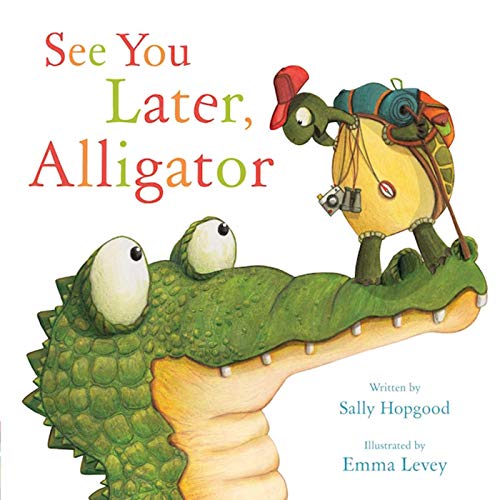
See You Later, Alligator is a rhyming picture book from the RhymeTime Animals series, written by Sally Hopgood and published by Sky Pony. It runs 32 pages in hardcover and uses playful rhyme to introduce young children to animal characters. The title plays on a familiar farewell phrase, and the book is designed for shared reading with early years children.
Book Details
| Author | Hopgood, Sally |
| Pages | 32 pages |
| Publisher | Sky Pony |
| Published | September 20, 2016 |
| Language | English |
This is a gentle rhyming book that leans on a catchy phrase children already know. Sally Hopgood keeps the language light and rhythmic, which makes it easy to read aloud. The 32 page hardcover format gives it a sturdy feel for a picture book shelf.
Rhyme is doing real work here. It helps children predict words and join in, which builds early phonological awareness. The animal theme keeps things friendly for the youngest listeners.
It suits parents and nursery teachers reading to children around three to five. It also works as a small gift for a child starting nursery or saying goodbye at the end of a day. A simple, cheerful choice for shared story time.
“
A playful rhyming farewell that helps young children join in and predict words as they read.
10. The Night Before Kindergarten
by Wing, Natasha

Overview
The Night Before Kindergarten is a paperback picture book from Natasha Wing, published by Grosset & Dunlap in 2001. It runs 32 pages and tells a story aimed at pre-school kids getting ready for their first day of kindergarten. The book is part of the Reading Railroad Series and features illustrations alongside easy reading text. It is designed to help young children picture what starting school might feel like.
Book Details
| Author | Wing, Natasha |
| Pages | 32 pages |
| Publisher | Grosset & Dunlap |
| Published | July 9, 2001 |
| Language | English |
This is a gentle, reassuring choice for children who are a little nervous about their first day. Natasha Wing writes in easy, rhythmic language that pre-school kids can follow, and the story stays close to the familiar routines of getting ready for school. The illustrations carry much of the warmth, showing the small details children notice and worry about.
At 32 pages in paperback, it is a comfortable length for a bedtime read in the weeks before term starts. The Reading Railroad Series label signals that it is built for early readers and for sharing aloud with a parent. It works well as a conversation starter, giving children a way to name their own questions about kindergarten.
Parents, nursery teachers and anyone preparing a child for the transition will find it useful. It suits families who want a calm, story-led approach rather than a busy activity book. A sensible pick for a small gift before the first day.
“
A calm story that helps small children picture their first day of kindergarten before it arrives.
11. The Leaf Thief
by Hemming, Alice
Overview
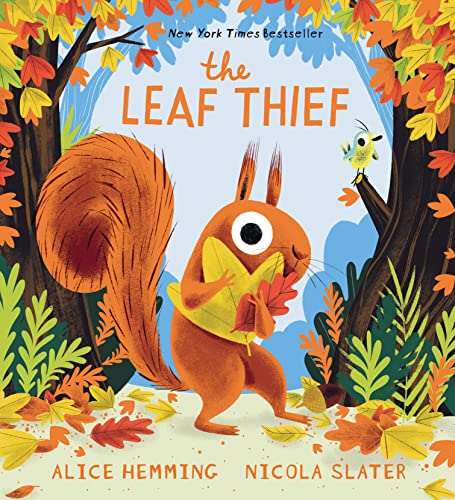
The Leaf Thief is a hardcover picture book by Alice Hemming, published by Sourcebooks Jabberwocky in 2021. It runs 32 pages and is presented as a perfect fall book for children and toddlers. The title points to a story about leaves going missing, which places it firmly in an autumn setting. It is an English language picture book aimed at a young audience.
Book Details
| Author | Hemming, Alice |
| Pages | 32 pages |
| Publisher | Sourcebooks Jabberwocky |
| Published | August 3, 2021 |
| Language | English |
Alice Hemming builds the whole book around a simple, funny idea that young children grasp straight away: leaves are disappearing, and someone must be taking them. The autumn setting gives it a seasonal feel that fits perfectly with fall reading at home or in a classroom. It is the kind of premise that invites children to guess and join in.
The hardcover format and 32 pages make it sturdy enough for repeated sharing with toddlers, and the picture book length suits a single sitting. The humour rests on the character’s worry rather than anything frightening, so it stays light for very young listeners. It reads well aloud, with room for pauses and reactions.
This one suits parents and teachers looking for a seasonal story that is playful rather than sentimental. Toddlers and children in the early years will enjoy the repeated joke, and it works nicely as part of an autumn topic at nursery or school. A good gift for a child who loves the changing seasons.
“
A playful autumn mystery about missing leaves that invites young children to guess along.
12. I’m Going to Kindergarten!
by Posner-Sanchez, Andrea

Overview
I’m Going to Kindergarten! is a hardcover Little Golden Book written by Andrea Posner-Sanchez and published by Golden Books in 2022. It runs 24 pages and is aimed at soon-to-be kindergarteners, preparing them for the move into school. The Little Golden Book format gives it a familiar, collectible look. It is an English language picture book for a very young audience.
Book Details
| Author | Posner-Sanchez, Andrea |
| Pages | 24 pages |
| Publisher | Golden Books |
| Published | June 7, 2022 |
| Language | English |
Andrea Posner-Sanchez writes directly for children who are about to start kindergarten, keeping the focus on the excitement and newness of the step ahead. At 24 pages it is short and manageable, which suits a child who is still building up to longer stories. The Little Golden Book format is instantly recognisable and feels like a classic gift.
The book works as preparation rather than a long narrative, giving soon-to-be kindergarteners a friendly picture of what is coming. It is well suited to reading together in the final weeks before term, when questions tend to come up. The short length means it can be revisited often without losing a child’s attention.
Parents and carers will find it a handy, low-pressure way to open conversations about starting school. It also makes a neat little gift for a child heading into kindergarten, especially alongside a bag or a new pair of shoes. Best for families who want something brief and positive.
“
A short, cheerful Little Golden Book that helps soon-to-be kindergarteners feel ready for school.
13. KINDergarten
by Ahiyya, Vera

Overview
A kindergarten story from author Vera Ahiyya that puts kindness at the centre of the classroom day. This 40 page hardcover from Random House Studio follows the kind of small, everyday moments that shape how children treat one another at school. It is a picture book designed for children starting kindergarten and for the adults who read with them, with kindness as the theme that holds everything together.
Book Details
| Author | Ahiyya, Vera |
| Pages | 40 pages |
| Publisher | Random House Studio |
| Published | June 21, 2022 |
| Language | English |
Vera Ahiyya builds this picture book around a simple idea: kindness matters every day at kindergarten. The theme runs through the whole book rather than sitting on top of it, which gives families a natural way to talk about how children treat each other at school. At 40 pages it is a fuller read than many starting school books, so it suits a calm bedtime or classroom session rather than a quick grab.
The hardcover format from Random House Studio makes it a solid choice for a gift or for a classroom shelf that gets plenty of use. Teachers looking for a book to open a conversation about caring behaviour will find the subject easy to raise with children. Parents of children about to start kindergarten can use it to set a warm tone before the first day.
“
A kindergarten picture book that makes kindness the everyday lesson children carry into the classroom.
14. The Best Seat in Kindergarten
by Kenah, Katharine

Overview
An early reading book from Katharine Kenah about starting kindergarten, published by HarperCollins as part of the My First I Can Read series. The 32 page paperback is aimed at children aged 4 to 8 and uses simple text for children taking their first steps as readers. It sits alongside the excitement and nerves of a first kindergarten year and is designed for shared reading as well as independent practice.
Book Details
| Author | Kenah, Katharine |
| Pages | 32 pages |
| Publisher | HarperCollins |
| Published | June 18, 2019 |
| Language | English |
Katharine Kenah writes this one for children who are just beginning to read on their own. As part of the My First I Can Read series, the text is kept simple and the 32 page length is short enough to feel manageable for a new reader. The subject of starting kindergarten gives children something familiar to hold on to while they practise.
The paperback format from HarperCollins keeps it light and easy to handle, which matters for small hands and for sending it to school. It works well for parents reading alongside a child and for teachers who want early reading material with a starting school theme. The stated age range of 4 to 8 covers both children preparing for kindergarten and those already settling in.
“
A short early reader that helps new kindergarten children build reading confidence while they settle into school.
15. Kindergarten, Here I Come!
by Steinberg, D.J.

Overview
A kindergarten picture book written by D.J. Steinberg and published by Grosset & Dunlap. This reprint edition runs to 32 pages in paperback and takes children through the kindergarten experience in a light, playful way. It is made for children preparing for their first year at school and for the parents and teachers who want to make that step feel exciting rather than worrying.
Book Details
| Author | Steinberg, D.J. |
| Pages | 32 pages |
| Publisher | Grosset & Dunlap |
| Published | June 14, 2012 |
| Language | English |
D.J. Steinberg takes a cheerful approach to the first year of school in this 32 page picture book. The short paperback format from Grosset & Dunlap makes it easy to pick up for a quick read before the first day or during the opening weeks. It is aimed squarely at children who are about to start kindergarten and who need the idea to feel friendly.
Parents will find it useful for turning nerves into anticipation, and teachers can use it with a whole class at the start of term. The reprint edition keeps the book widely available for gift buyers and for families who want an affordable addition to their shelf. It is a gentle, upbeat choice rather than a detailed guide to what happens at school.
“
A playful picture book that turns the first day of kindergarten into something to look forward to.
How to Choose the Best Kindergarten Books
Start with the Reader and the Goal
Kindergarten covers a lot of ground, so the first question is what you want the book to do. Some titles are designed for children who are just beginning to sound out words, while others work best when an adult reads aloud and the child listens. A phonics set like Pete the Cat 12-Book Phonics set suits a child practising letter sounds, whereas a picture book like The Night Before Kindergarten helps a child talk about starting school. Think about whether you need practice, reassurance, or shared story time, then choose accordingly.
Look at the Writing Style and Reading Level
Kindergarten books range from very simple decodable text to richer picture book language. Bob Books and First Little Readers Parent Pack are built around short, controlled sentences for emerging readers. The Smart Cookie and The Rainbow Fish use fuller storytelling, with more words per page and more to discuss. Check how much text appears on each page and how complex the vocabulary is, because a book that is too hard can frustrate a new reader.
Consider the Format and How It Will Be Used
Format matters as much as content. A boxed set of small paperbacks works well for daily reading practice and for keeping several titles together, while a single picture book is easier to share at bedtime. Workbooks such as Kindergarten Big Workbook Ages 5 -6 and The Complete Kindergarten Workbook are made for sitting down with a pencil, so they suit parents or teachers who want structured activities.
Picture books like KINDergarten and See You Later, Alligator are better for reading together and talking about feelings.
Weigh Length and the Balance of Practice Versus Ideas
Short books help a child finish something and feel successful, which matters at this age. Longer picture books give more room for story and discussion but ask for a longer attention span. Some titles focus on practical exercises, letters, numbers and early skills, while others explore ideas like kindness, nerves, or friendship.
How to Be Kind in Kindergarten and I’m Going to Kindergarten! lean toward themes and reassurance rather than drills. A good mix often works best: one practice book and one story book.
Read the Reader Feedback with a Clear Eye
Reviews can tell you how a book worked for other families, teachers and gift buyers. Look for comments about whether the reading level matched the child, whether the story held attention, and whether the format was easy to use. Patterns across many reviews are more useful than a single strong opinion. Keep in mind that every child is different, so use feedback to narrow your choices rather than to make the final decision.
A Simple Way to Decide
Match the book to the child first, then to the setting. For a child who is starting to read, choose a short decodable set such as Bob Books or First Little Readers Parent Pack. For a child who is anxious about school, choose a reassuring story such as The Night Before Kindergarten or Kindergarten, Here I Come!
For structured practice at home, a workbook is the practical choice. If you are buying a gift, a well-loved picture book like The Leaf Thief or The Rainbow Fish is an easy, thoughtful pick.
Quick Comparison
| If you need | Consider | Why |
|---|---|---|
| Early reading practice | Bob Books, First Little Readers Parent Pack, Pete the Cat 12-Book Phonics Fun! | Short, simple text for emerging readers |
| Structured skill practice | Kindergarten Big Workbook Ages 5 -6, The Complete Kindergarten Workbook | Exercises for letters, numbers and early skills |
| Starting school reassurance | The Night Before Kindergarten, I’m Going to Kindergarten!, Kindergarten, Here I Come! | Stories about the first day and new routines |
| Shared story time | The Smart Cookie, The Rainbow Fish, The Leaf Thief, KINDergarten | Fuller stories to read aloud and discuss |
How Much Impact Can Books About Kindergarten Have?
Books about kindergarten can change how a child feels about starting school, but they are not a switch that flips overnight. A story like The Night Before Kindergarten or I’m Going to Kindergarten! can ease first day nerves in a single sitting, because children see a character feeling the same worries and moving through them. That shift is real, yet it is usually small and temporary. Expect a calmer conversation, not a transformed child.
The same is true for the skills books. Kindergarten Big Workbook Ages 5 -6 and The Complete Kindergarten Workbook are built for steady practice, not quick wins. A few pages at a time, done regularly, does more than a long session squeezed into one afternoon. Bob Books and Pete the Cat 12-Book Phonics Fun! work the same way, with short, simple texts that reward repetition. Progress comes from returning to the book, not from finishing it once.
What These Books Can and Cannot Do
It helps to be clear about the limits. A workbook can support letter and number practice, but it cannot replace a teacher or a full curriculum. A picture book can open a conversation about kindness, as How to Be Kind in Kindergarten does, but it will not teach social skills on its own.
The Rainbow Fish and The Smart Cookie offer themes children can talk about, not lessons they absorb automatically. Treat every book here as a starting point for talk and practice.
Reading age matters too. First Little Readers Parent Pack and the phonics sets suit children just beginning to sound out words. Picture books such as See You Later, Alligator, KINDergarten and The Best Seat in Kindergarten are better shared aloud with an adult. Matching the book to the child’s stage keeps expectations honest and avoids frustration.
Getting More from Each Book
How you use a book shapes what a child takes from it. A few habits make a noticeable difference:
- Re-read favourite stories. Repetition is how young children absorb language and ideas.
- Pause and ask questions. A line in The Leaf Thief or Kindergarten, Here I Come! can prompt a child to share their own feelings.
- Apply workbook ideas away from the page, counting stairs or naming letters on signs.
- Keep sessions short and calm, especially with workbooks like Kindergarten Big Workbook Ages 5 -6.
- Talk about the characters as if they were real, asking what the child would do.
Discussion is where most of the value sits. A parent or teacher who asks one good question after a story does more than a child reading alone. For gift buyers, a picture book paired with a short note about why it was chosen can make the book feel personal.
Setting Realistic Expectations
No book here will make a child love school on day one or master reading in a week. What they can do is reduce anxiety, build familiarity with letters and numbers, and give adults a shared language for talking about change. That is a modest goal, and a worthwhile one. Used patiently and revisited often, these books become part of a routine rather than a one-off purchase.
If you want a place to start, think about the child first. Choose a story book for nerves, a phonics set for early reading, or a workbook for steady practice. Then plan to return to it. The impact grows with the number of calm, unhurried readings, not with the size of the stack.
Frequently Asked Questions
What Age Are Kindergarten Books Written For?
Kindergarten books are generally aimed at children around four to six years old, which matches the typical kindergarten year. Many titles are labelled by reading level rather than age, so you will often see beginner reader bands or a simple age range on the cover. Picture books with short text suit younger or less confident children, while early readers with a few sentences per page work well for children starting to read alone.
The right choice depends on the child, not just the number. A four year old who loves stories may still prefer a picture led book read aloud, while a five or six year old learning letters will get more from simple repetitive text they can try themselves. Check the stated reading age and page count before buying, and remember that kindergarten books bought as gifts often suit a slightly wider range than the label suggests.
What Is the Difference Between Picture Books and Early Readers for Kindergarten?
Picture books tell a story mainly through illustrations, with text that is usually read aloud by an adult. They often have richer language and longer stories, which makes them good for shared reading and bedtime. Early readers are designed for children to read themselves, with simple vocabulary, short sentences and plenty of picture support on each page.
Both have a place in a kindergarten books collection. Picture books build listening skills, vocabulary and a love of stories, while early readers give children practice at decoding words and feeling successful. Many families buy a mix, using picture books for reading together and early readers for independent practice. The page count and text density are the quickest ways to tell which type you are holding.
How Do I Choose Kindergarten Books for a Child Who Is Just Starting to Read?
Look for books labelled as beginner readers or levelled readers, because these are written with controlled vocabulary and short sentences. Repetitive text and strong picture clues help a new reader guess and confirm words. Books with a small number of words per page are less overwhelming than dense picture books, and a familiar character or topic keeps motivation high.
Reading age guidance on the cover is a useful starting point, but match it to the child rather than the school year. A child who knows some letter sounds will cope with simple phonics based text, while one still learning letters may prefer books you read together. Buying two or three short early readers rather than one long book gives more chances to finish a story and build confidence.
Are Kindergarten Books Good Gifts for a Birthday or Baby Shower?
Kindergarten books work well as gifts because they suit a clear age range and are easy to wrap and post. A picture book with a warm story and strong illustrations makes a safe choice for a birthday, especially if you are unsure of the child’s reading level. Early readers are a good option for a child who has just started school and is beginning to read independently.
If you want the gift to feel more personal, choose a book on a topic the child already loves, such as animals, vehicles or friendship stories. Check the format too, since hardback picture books feel more substantial as a present while paperback early readers are lighter and cheaper to post. Adding a short note about why you picked the story makes a simple book feel thoughtful.
What Should Teachers Look for in Kindergarten Books for the Classroom?
Teachers usually need a mix of read aloud picture books and simple early readers. Picture books with clear plots, rhythm and strong illustrations work well for group story time, while levelled readers let children practise at their own pace. Look at the page count and text density so you can match a book to a reading group without flipping through it in class.
Range matters as much as any single title. A classroom collection benefits from books with repetitive text for beginners, books with slightly longer sentences for children ready to move on, and picture books that support topics you teach. Durable format is less important than content here, but hardback picture books do hold up better to repeated handling by groups of children.
How Many Pages Should a Kindergarten Book Have?
Most picture books for this age sit around 24 to 32 pages, which gives enough room for a story without losing a young child’s attention. Early readers are often shorter, sometimes 16 to 32 pages with very little text on each one. A shorter page count usually means simpler text, so it is a useful clue when you are buying for a beginner.
Page count alone does not tell you how hard a book is. A 32 page picture book with long paragraphs is harder to read alone than a 24 page early reader with one sentence per page. Check both the page count and the amount of text on a typical page, and think about whether the book is for reading aloud or for the child to read themselves.
Can Kindergarten Books Help Prepare a Child for Starting School?
Yes, and the most useful ones are stories about school routines, making friends and trying new things. Books like these give a child a chance to talk about what school might feel like before the first day. Simple early readers also build letter and word familiarity, which supports the reading work children meet in their first year.
The key is to keep it light. A story read together and talked about does more than a workbook style book pushed too hard. Choose picture books with warm, reassuring illustrations for children who seem anxious, and short early readers for children who are excited about learning letters. Both types of kindergarten books can make the transition feel more familiar.
Last Word
Pete the Cat 12-Book Phonics Fun! is the best overall pick for most families. The boxed set of twelve small books uses simple phonics patterns and a familiar character, which makes it a friendly first step for children starting to sound out words.
For a broader skills refresh, Kindergarten Big Workbook Ages 5 -6 suits parents who want one book covering a range of early skills. Bob Books is the better fit for a child who is ready to focus on decoding, one short story at a time.
Whatever you choose, match the book to your child’s current stage rather than the school year. A child who is still learning letters will get more from a gentle phonics set than from a busy workbook.