
Gathering your first grader close for a storytime snuggle ignites a spark of shared wonder, where wide eyes dance with delight at each twist, weaving threads of joy that chase away the day’s little worries and nurture a budding love for words that will bloom for lifetimes.
Imagine the thrill of their giggles echoing as characters come alive, or the quiet awe in a plot’s tender turn, forging bonds that whisper “you are seen, you are safe” amid the rush of growing up.
The best books to read aloud to first graders capture this alchemy, blending rhythmic prose with vivid visuals to spark imagination and empathy in equal measure.
These handpicked gems, from whimsical adventures to heartfelt harmonies, are tailored for the eager ears of six- and seven-year-olds, boosting phonemic awareness and vocabulary through interactive tales that invite questions and echoes.
Parents and teachers rave about how they transform circle time into cherished rituals, fostering confidence in budding listeners who soon crave the page themselves. Whether cuddled on the couch or circled on the rug, these reads promise not just entertainment, but the gentle lift of literacy’s wings, soaring young hearts toward stories’ endless skies.
Table Of Contents
- 1 What Are the Best Books To Read Aloud To First Graders
- 2 17 Best Books To Read Aloud To First Graders
- 2.1 The Very Hungry Caterpillar
- 2.2 The Very Hungry Caterpillar
- 2.3 Where the Wild Things Are
- 2.4 Goodnight Moon
- 2.5 Goodnight Moon
- 2.6 The Day Crayons Quit
- 2.7 The Day the Crayons Quit
- 2.8 Llama Llama Red Pajama
- 2.9 Chicka Chicka Boom Boom
- 2.10 Chicka Chicka Boom Boom
- 2.11 Brown Bear Brown Bear
- 2.12 Brown Bear, Brown Bear, What Do You See?:...
- 2.13 The Gruffalo
- 2.14 Press Here
- 2.15 Press Here (Herve Tullet)
- 2.16 The Rainbow Fish
- 2.17 The Rainbow Fish
- 2.18 Harold and Purple Crayon
- 2.19 Corduroy
- 2.20 Corduroy
- 2.21 If Animals Kissed Good Night
- 2.22 If Animals Kissed Good Night
- 2.23 Last Stop on Market Street
- 2.24 Last Stop on Market Street
- 2.25 Room on the Broom
- 2.26 Room on the Broom
- 3 Buying Guide for Books To Read Aloud To First Graders
- 4 How Much Impact Can Reading Books To Read Aloud To First Graders Create
- 5 Frequently Asked Questions
- 5.1 What Makes Books To Read Aloud To First Graders Essential for Literacy?
- 5.2 How Do Interactive Books Boost Engagement In Books To Read Aloud To First Graders?
- 5.3 Which Books To Read Aloud To First Graders Teach Emotional Intelligence?
- 5.4 Can Books To Read Aloud To First Graders Support Diverse Classrooms?
- 5.5 What Role Do Rhyming Books Play In Books To Read Aloud To First Graders?
- 5.6 How Do Books To Read Aloud To First Graders Aid Bedtime Routines?
- 5.7 Are Audiobooks Effective For Books To Read Aloud To First Graders?
- 5.8 What Themes Should Books To Read Aloud To First Graders Explore?
- 6 Conclusion
What Are the Best Books To Read Aloud To First Graders
- The Very Hungry Caterpillar
- Where the Wild Things
- Goodnight Moon
- The Day Crayons Quit
- Llama Llama Red Pajama
- Chicka Chicka Boom Boom
- Brown Bear Brown Bear
- The Gruffalo
- Press Here
- The Rainbow Fish
- Harold and Purple Crayon
- Corduroy
- If Animals Kissed Good Night
- Last Stop on Market Street
- Room on the Broom
| Book Name | Author Name | First Published Year |
|---|---|---|
| The Very Hungry Caterpillar | Eric Carle | 1969 |
| Where the Wild Things | Maurice Sendak | 1963 |
| Goodnight Moon | Margaret Wise Brown | 1947 |
| The Day Crayons Quit | Drew Daywalt | 2013 |
| Llama Llama Red Pajama | Anna Dewdney | 2005 |
| Chicka Chicka Boom Boom | Bill Martin Jr. | 1988 |
| Brown Bear Brown Bear | Bill Martin Jr. | 1967 |
| The Gruffalo | Julia Donaldson | 1999 |
| Press Here | Hervé Tullet | 2011 |
| The Rainbow Fish | Marcus Pfister | 1992 |
| Harold and Purple Crayon | Crockett Johnson | 1955 |
| Corduroy | Don Freeman | 1968 |
| If Animals Kissed Good Night | Ann Whitford Paul | 2010 |
| Last Stop on Market Street | Matt de la Peña | 2015 |
| Room on the Broom | Julia Donaldson | 2001 |
| Preview | Product | |
|---|---|---|

|
The Very Hungry Caterpillar | Check Details |

|
Goodnight Moon | Check Details |

|
The Day the Crayons Quit | Check Details |

|
Chicka Chicka Boom Boom | Check Details |

|
Brown Bear, Brown Bear, What Do You See?:... | Check Details |
17 Best Books To Read Aloud To First Graders
The Very Hungry Caterpillar
The Very Hungry Caterpillar
Eric Carle, 1969. This beloved classic follows a ravenous caterpillar’s weekly feast through fruits and sweets, culminating in a chrysalis transformation into a radiant butterfly, all illustrated in Carle’s signature tissue-paper collages that burst with vibrant hues and tactile die-cut pages. Young listeners delight in poking fingers through the holes as the caterpillar munches, counting along with the rhythmic text that introduces numbers, days, and healthy eating in a gentle, engaging arc. The story’s simple structure builds anticipation, perfect for call-and-response participation that boosts confidence and comprehension during group read-alouds.
Carle’s eco-friendly message subtly weaves in life’s cycles, sparking discussions on growth and change that resonate with first graders navigating their own milestones. Teachers and parents appreciate how it doubles as a springboard for art projects, like crafting paper caterpillars or sequencing butterfly stages, extending the magic beyond the page. Audio versions, with soft sound effects of crunching apples or fluttering wings, add an immersive layer, turning storytime into a multisensory feast that lingers in little minds.
The book’s universal appeal transcends cultures, inviting diverse classrooms to share personal “hungry” stories, fostering inclusivity and empathy. Its enduring charm lies in balancing education with enchantment, making it a rite of passage for early readers eager to mimic the narration’s joyful lilt. As the caterpillar emerges renewed, so do young imaginations, ready to spread their wings in literacy’s garden.
“In the light of the moon, a little egg lay on a leaf.”
Why we choose The Very Hungry Caterpillar?
We selected this timeless treasure for its interactive genius that marries counting and concepts with captivating collages, igniting first graders’ curiosity without overwhelming their budding attention. Carle’s design delights in details, making it a perennial pick for harmonious, hands-on read-alouds that harvest lasting love for learning.
| Feature | Details |
|---|---|
| Writer Name | Eric Carle |
| Written Year | 1969 |
Where the Wild Things Are
Maurice Sendak, 1963. Max’s wild imagination whisks him to an island of monstrous mischief after a bedtime banishment, where he reigns as king in a rumpus of roars and rambunctious revelry, only to sail home for supper’s solace in Sendak’s iconic, expressive ink-and-watercolor spreads. The sparse, poetic text pulses with emotion, mirroring first graders’ own tempests of tantrums and triumphs, inviting reflections on feeling “wild” and finding comfort in familiar routines. Caldecott Medal magic makes it a staple for exploring big feelings, with teachers pausing to mimic monsters or map Max’s journey on class charts.
Sendak’s nuanced portrayal of mischief as a pathway to self-regulation sparks empathetic chats, helping children name emotions and navigate no’s with grace. Parents cherish its brevity for bedtime wind-downs, where the moonlit return evokes the pull of home’s hearth. Audio narrations, with dramatic pauses and growly voices, amplify the adventure, encouraging little listeners to join the rumpus with their own roars.
This story’s depth belies its slim pages, offering layers for repeated reads—from art appreciation to family dynamics—nurturing narrative skills and emotional literacy in tandem. First graders adore spotting Sendak’s subtle details, like the wild things’ worried eyes, fostering observation and inference. It’s a wild ride that tames the heart, reminding young explorers that home is where the real magic begins.
“And Max, the king of all wild things, was lonely and wanted to be where someone loved him.”
Why we choose Where the Wild Things Are?
This masterpiece merits its mantle for mastering the mayhem of childhood moods, using sparse splendor to spark soulful discussions on belonging. Sendak’s artistry and arc align perfectly with first graders’ emotional explorations, turning read-alouds into mirrors of their marvelous, messy worlds.
| Feature | Details |
|---|---|
| Writer Name | Maurice Sendak |
| Written Year | 1963 |
Goodnight Moon
Goodnight Moon
Margaret Wise Brown, 1947. In a “great green room,” Bunny bids adieu to a menagerie of midnight motifs—from mittens and mice to the “quiet old lady whispering hush”—in Clement Hurd’s serene, sepia-toned illustrations that cradle the eye like a lullaby. The repetitive, rhyming litany lulls listeners into a tranquil trance, ideal for first graders winding down from day’s din, with its soothing cadence cueing calm and gratitude for the ordinary’s odd charm. Teachers use it to model mindfulness, pausing to spot hidden mice or mimic the hush, building vocabulary and sequencing savvy through gentle repetition.
Brown’s whimsical catalog invites personalization, where children swap in their own goodnights, turning passive listening into participatory poetry. Families favor it for its cross-generational coziness, evoking nostalgia while forging new memories in shared whispers. Audio editions, with hushed tones and subtle chimes, enhance the hush, perfect for drowsy drives or pre-nap nests.
This velvety vignette teaches closure’s comfort, easing transitions from play to rest, and sparks creative extensions like goodnight drawings or rhyme chains. First graders revel in the rhythm’s roll, their voices rising in confident chorus by tale’s end. It’s a moonlit missive of peace, whispering that endings embrace beginnings, wrapping young hearts in night’s nurturing arms.
“In the great green room, there was a telephone, and a red balloon, and a picture of the cow jumping over the moon.”
Why we choose Goodnight Moon?
We embrace this ethereal evening ritual for its hypnotic harmony that hushes hurly-burly into harmony, cultivating composure in first graders’ bustling beings. Brown’s brevity and Brown’s art brew a bedtime balm, boundless in its soothing sway for storytime serenity.
| Feature | Details |
|---|---|
| Writer Name | Margaret Wise Brown |
| Written Year | 1947 |
The Day Crayons Quit
The Day the Crayons Quit
Drew Daywalt, 2013. Duncan’s crayons revolt in a riot of rainbow rants, each hue penning pleas—from overworked Red to overlooked Beige—in Oliver Jeffers’s doodly, droll illustrations that personify pigments with panache. First graders guffaw at the grievances, from Blue’s bath-time blues to Orange’s identity crisis, prompting predictions and perspective shifts during dramatic read-alouds. Teachers leverage it for artful activities, like crayon confessions or color hunts, honing empathy and expression through epistolary escapades.
Daywalt’s witty wordplay packs punchy vocabulary, from “irate” to “lavender,” expanding lexicons amid laughter’s lilt. Parents prize its replay value, as kids clamor to “read” the letters themselves, bridging listening to literacy. Audio, with character voices in crayon conniptions, crackles with comedic chaos, fueling family fun.
This chromatic caper celebrates creativity’s chaos, encouraging first graders to voice their “strikes” in journals or skits, building boldness and banter skills. Jeffers’s loose lines leave room for interpretation, sparking “what if” wonders that wander into writing workshops. It’s a palette of playfulness, painting lessons in levity for life’s little letdowns.
“Duncan, you stay in your room and think about what you did to me!”
Why we choose The Day Crayons Quit?
This riotous revolt ranks high for roasting routine with rollicking rhyme, teaching first graders viewpoint via vivid, voiced vignettes. Daywalt’s drollery and Jeffers’s japes juggle joy and jargon, a jubilant jolt for interactive, insightful read-alouds.
| Feature | Details |
|---|---|
| Writer Name | Drew Daywalt |
| Written Year | 2013 |
Llama Llama Red Pajama
Anna Dewdney, 2005. Little Llama’s nighttime nerves noodle into a noodle of worry when Mama steps out, his laments escalating until her lullaby lands like a lifeline in Dewdney’s bouncy rhymes and expressive watercolors that capture the cute chaos of bedtime blues. First graders nod in knowing nods, echoing Llama’s laments and learning to name night-frights, with teachers timing pauses for “llama” choruses that build phonemic flair. It’s a masterclass in mirroring moods, segueing to soothing strategies like deep breaths or stuffed-buddy hugs.
Dewdney’s rhythmic reassurance resonates, reminding that “big hugs” bridge the gap from goodnight to good morn. Families find it a faithful friend for fussy tuck-ins, its familiarity fostering self-soothing seeds. Audio, with Dewdney’s lilting lilt, lulls like a loving croon, layering laughs with lessons.
This woolly worry-wort weaves warmth, inspiring first graders to pen their own “llama laments” or role-play resolutions, honing heart and handwriting. Dewdney’s deft depictions of drama and denouement delight, turning tantrums into teachable tales. It’s a pajama party of peace, proving parents’ proximity is the ultimate night-night nectar.
“Llama Llama red pajama, feels alone without his mama.”
Why we choose Llama Llama Red Pajama?
We wool-gather this winner for its whimsical window into worry, waltzing first graders through separation’s symphony with snuggly sympathy. Dewdney’s ditty and designs deliver delight, a dreamy delight for dramatic, developmental read-alouds.
| Feature | Details |
|---|---|
| Writer Name | Anna Dewdney |
| Written Year | 2005 |
Chicka Chicka Boom Boom
Chicka Chicka Boom Boom
Bill Martin Jr., 1988. Letters lunge up a coconut tree in a lively limerick, crashing in a “boom boom” bash that rallies the alphabet parents for rescue in Lois Ehlert’s bold, beachy collages that pop with personality and primary colors. First graders chant the chorus with glee, their voices vibrating with the verse’s verve, mastering ABCs through alliterative action that amps attention and articulation. Teachers trumpet it for transition tunes, like lining up with letter leaps, linking literacy to locomotor fun.
Martin’s musicality mesmerizes, the repetitive refrain a rhythm ripe for rappers or ring-around-the-rosie rounds. Parents play it on repeat for road-trip refrains, its infectious energy eclipsing ennui. Audio, with percussive plucks and playful pitches, pulses like a party, priming participation.
This alphabetic acrobat applauds adventure, spurring first graders to craft their own letter ladders or tree-top tales, cultivating creativity and confidence. Ehlert’s exotic elements, from palm fronds to plaster casts, evoke endless extensions. It’s a boom of brilliance, blasting boredom with bouncy, brain-boosting bedlam.
“Chicka chicka boom boom! Look out below!”
Why we choose Chicka Chicka Boom Boom?
This alphabetic anthem ascends our list for its rhythmic rocket to reading readiness, rallying first graders in rollicking refrains. Martin’s melody and Ehlert’s eye-candy energize, an exhilarating entry for ensemble, educational read-alouds.
| Feature | Details |
|---|---|
| Writer Name | Bill Martin Jr. |
| Written Year | 1988 |
Brown Bear Brown Bear
Brown Bear, Brown Bear, What Do You See?:...
Bill Martin Jr., 1967. A parade of animals queries “What do you see?” in a chain of colors and creatures, from brown bear to goldfish, in Eric Carle’s textured, tempera-painted portraits that gleam with glossy gouache. First graders predict the pattern with peals of pleasure, their pointers tracing the query’s quest, honing sequencing and sight words in a symphony of sights. Teachers tout it for thematic ties, like zoo days or color hunts, harmonizing harmony with hands-on hunts.
Martin’s mantra mesmerizes, the cumulative cadence a call-and-response classic that captivates classrooms or carseats. Parents pair it with plush pals for prop play, its familiarity fueling fluent echoes. Audio, with melodic murmurs and animal asides, adds auditory allure, amplifying the menagerie’s march.
This chromatic chain charms, challenging first graders to compose their own “see” sequences or collage critters, sparking storytelling sparks. Carle’s crafty cuts and colors captivate, a canvas for creative converses. It’s a bear-hug of basics, building bridges to books with buoyant, beautiful beats.
“Brown bear, brown bear, what do you see? I see a red bird looking at me.”
Why we choose Brown Bear Brown Bear?
We bear-hug this bedrock for its rhythmic ramp to recognition, romping first graders through colors with captivating calls. Martin’s mantra and Carle’s collage conjure community, a classic cornerstone for choral, captivating read-alouds.
| Feature | Details |
|---|---|
| Writer Name | Bill Martin Jr. |
| Written Year | 1967 |
The Gruffalo
Julia Donaldson, 1999. A sly mouse conjures a monstrous Gruffalo to foil forest foes, only for the beast to bound into being, leading to a twisty trek of trickery in Axel Scheffler’s lush, leafy linework that teems with textured treescapes. First graders gasp at the guile, their giggles galloping with the galloping rhyme, predicting the plot’s pivots in participatory glee. Teachers treasure it for rhyme recognition and rhyme relays, rhyming responses to reinforce rhythm and recall.
Donaldson’s daffy dialogue delights, the mouse’s menu mantra a mnemonic for meals and mischief. Parents perform it with panache, accents adding allure to the adventure. Audio, with orchestral oompah and owl hoots, orchestrates the odyssey, a symphony for senses.
This gruff gambit galvanizes, goading first graders to invent their own beastly bluffs or woodland walks, weaving wit and whimsy. Scheffler’s scuttling critters scamper across spreads, a gallery for guessing games. It’s a gruffalo gala, growling with guffaws and guile for growing grammarians.
“Silly old fox! Doesn’t he know, there’s no such thing as a gruffalo?”
Why we choose The Gruffalo?
This gruff gem graces our guide for its galloping guile that grooms first graders’ guessing games with gleeful guffaws. Donaldson’s ditty and Scheffler’s sceneries sparkle, a stellar stir for story-savvy, syllable-sharpening read-alouds.
| Feature | Details |
|---|---|
| Writer Name | Julia Donaldson |
| Written Year | 1999 |
Press Here

Press Here (Herve Tullet)
Hervé Tullet, 2011. Dots demand direction—press, tilt, shake—in a cascade of color chaos that conjures illusion from instruction, Tullet’s minimalist marks multiplying under imaginary influence. First graders command the commotion, their cheers cascading as circles clamber and spots sparkle, mastering cause-effect in a command-center of creativity. Teachers trumpet it for transition tricks, like “shake to settle” for wiggly waits, linking literacy to locomotor laughs.
Tullet’s trompe l’oeil tricks tantalize, the book’s “buttons” a beguile for budding bosses. Parents puzzle over the prestidigitation, its interactivity igniting inquisitive interjections. Audio, with directive dings and delighted gasps, directs the dazzle, a duet for doers.
This dotty directive dazzles, daring first graders to draw their own directive doodles or sequence shakes, cultivating command and conjecture. Tullet’s tidy typography tempts, a template for tactile tales. It’s a press-party of possibility, popping with playful physics for pint-sized pioneers.
“Press here and see a yellow dot appear!”
Why we choose Press Here?
We press this playful powerhouse for its participatory punch that propels first graders into protagonists of their page. Tullet’s trickery triumphs, a tantalizing tonic for tactile, thought-provoking read-alouds that tickle the thinker.
| Feature | Details |
|---|---|
| Writer Name | Hervé Tullet |
| Written Year | 2011 |
The Rainbow Fish

The Rainbow Fish
Marcus Pfister, 1992. A glittering fish grapples with greed, gifting scales to sparkly suitors in a sea of shimmering foil that flashes like fish-fins in sun. First graders finger the foil with fascination, their fingers following the fish’s fall from flaunt to friendship, gleaning generosity’s glow in a gleeful group glean. Teachers tie it to sharing circles, where kids “gift” compliments or crayons, cultivating kindness in concrete acts.
Pfister’s underwater utopia undulates, the narrative’s arc a lesson in leveling up from lone luster to luminous links. Parents polish it for preschool parallels, its sheen a siren for sibling shares. Audio, with watery whooshes and wistful waves, washes the wisdom in, a symphony for sea-sounds.
This scaly saga shines, spurring first graders to sketch their own shiny swaps or discuss “what’s worth sharing,” honing heart and handwriting. Pfister’s prismatic palette preens, a prism for perspective plays. It’s a rainbow ripple of reciprocity, reflecting reflection in radiant read-alouds.
“The Rainbow Fish shared his scales left and right. And the more he gave away, the more he had to give.”
Why we choose The Rainbow Fish?
This shimmering share sparks our selection for schooling first graders in selflessness with sensory sparkle. Pfister’s foil-fest fizzes, a fabulous flourish for feeling-focused, friendship-forging read-alouds.
| Feature | Details |
|---|---|
| Writer Name | Marcus Pfister |
| Written Year | 1992 |
Harold and Purple Crayon
Crockett Johnson, 1955. Harold’s purple crayon conjures a world from whims—moonlit pies to dragon dens—in Johnson’s spare, scribbly lines that leave space for imagination’s ink. First graders grasp the crayon like a wand, their guesses galloping as Harold hikes or sails, grasping graph paper’s grandeur in guided guesses. Teachers trace it for tale-telling, where kids crayon their own crayon quests, kindling creativity’s kindle.
Johnson’s jaunty jaunt jaunts from fancy to familiar, the blank-canvas charm a charter for child-chefs of stories. Parents pencil it for playdates, its openness a oasis for original odysseys. Audio, with whimsical whooshes and wonder-whispers, woos the wander, a whisper for wayfarers.
This crayon caper captivates, coaxing first graders to chronicle their crayon capers or map Harold’s mishaps, mastering motif and medium. Johnson’s jaunty jotting jives, a jot for jotting joy. It’s a purple portal of possibility, penciling paths for pint-sized Picassos.
“One night, after thinking it over for some time, Harold decided to go for a walk in the moonlight.”
Why we choose Harold and Purple Crayon?
We crayon this classic for its canvas of creation that commissions first graders as cartographers of caprice. Johnson’s jotting jubilee jumps, a joyful jumpstart for imaginative, inkling-inspiring read-alouds.
| Feature | Details |
|---|---|
| Writer Name | Crockett Johnson |
| Written Year | 1955 |
Corduroy

Corduroy
Don Freeman, 1968. Corduroy’s quest for his missing button leads from department store escalades to rooftop reveries, finding family in Lisa’s loving lap in Freeman’s soft, storybook strokes that soothe with sepia charm. First graders finger the fabric phantom, their hearts hitching as the bear hunts, honing “home” in heartfelt hunts. Teachers thread it to themes of belonging, where kids “hunt” for lost toys or pen pal notes, knitting narrative knots.
Freeman’s fable folds friendship’s fabric, the button a badge of being enough. Parents patch it into play, its tenderness a tonic for tuck-ins. Audio, with velvety voices and venturing vibes, vests the voyage, a vestige for venturers.
This buttoned bear bonds, beckoning first graders to befriend their “corduroys” or brainstorm belonging badges, building bravery and bonds. Freeman’s fuzzy frames feel, a frame for feeling full. It’s a cord of comfort, cordoning care in cozy read-alouds.
“I like you just the way you are.”
Why we choose Corduroy?
This button-bare bear buttons our picks for baring belonging’s beauty, beckoning first graders to embrace imperfection’s embrace. Freeman’s fuzzy fable fuddles, a fuzzy favorite for feeling-fostering read-alouds.
| Feature | Details |
|---|---|
| Writer Name | Don Freeman |
| Written Year | 1968 |
If Animals Kissed Good Night
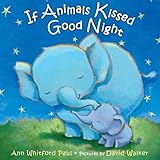
If Animals Kissed Good Night
Ann Whitford Paul, 2010. Animals’ affectionate adieus unfold in a whimsical whirl—kangaroo’s pouch peck to giraffe’s neck nuzzle—in David Walker’s plush, photographic fabrications that feel like fur under fingers. First graders gush at the greetings, their goodnights gussied with giggles as they mimic the menagerie, mastering mannerisms in merry mimicry. Teachers tuck it into tuck-in time, where kids “kiss” classmates with waves or waves of waves, waving warmth.
Paul’s playful poetry parades peculiar puckers, the rhyme a rondo for restful romps. Parents pucker up for pre-bed play, its cuteness a cuddle cue. Audio, with animal accents and affectionate asides, affixes the fun, a fix for fussy finishes.
This kissy carousel captivates, capering first graders to concoct their own critter caresses or collage cuddles, cultivating courtesy and creativity. Walker’s woolly wonders wool, a wonder for wondrous whims. It’s a night-night nuzzle-fest, nuzzling nurturing in nighttime read-alouds.
“How would you say good night if you were a lion?”
Why we choose If Animals Kissed Good Night?
We nuzzle this nocturnal novelty for its nifty nod to nuance in night-nights, nuzzling first graders’ noses into novelty. Paul’s puckery poetry and Walker’s woolies woo, a woolly winner for whimsical, wind-down read-alouds.
| Feature | Details |
|---|---|
| Writer Name | Ann Whitford Paul |
| Written Year | 2010 |
Last Stop on Market Street

Last Stop on Market Street
Matt de la Peña, 2015. CJ’s bus jaunt through urban bustle blooms beauty in the broken—from soup kitchen symphonies to graffiti galleries—guided by Nana’s nuggets in Christian Robinson’s collage cityscapes that pulse with primary pops. First graders glean gratitude in the grit, their gazes gawking at the glow, grasping “gift” in gritty glimpses. Teachers transit it to thank-you treks, where kids chronicle community charms or collage corners, charting change.
De la Peña’s lyricism lifts, the query’s quest a quest for quiet joys. Parents pilot it for perspective plays, its diversity a diverse delight. Audio, with urban underscores and upbeat umph, uplifts the urban, a umph for urbanites.
This market meander mesmerizes, mesmerizing first graders to map their own “last stops” or muse on magic in mundane, musing mindfulness. Robinson’s rambunctious renders rumble, a render for rendered riches. It’s a stop of splendor, stopping to savor in soulful read-alouds.
“Sometimes when you’re surrounded by dirt, CJ, you’re a better witness for what’s beautiful.”
Why we choose Last Stop on Market Street?
This urban uplift urbanizes our uniques for unveiling urban’s underbelly with uplifting umph. De la Peña’s lyric lift and Robinson’s renderings resound, a resounding read for reflective, riches-revealing read-alouds.
| Feature | Details |
|---|---|
| Writer Name | Matt de la Peña |
| Written Year | 2015 |
Room on the Broom

Room on the Broom
Julia Donaldson, 2001. A witch’s broom bristles with beastly buddies—bird, cat, dog, frog—in a rhyming romp that rallies against a dragon’s dastard in Axel Scheffler’s spry, spooky sketches that scamper with spook and sparkle. First graders holler the hitchhikers, their hurrahs hurrying with the hurly, hurdling hurdles in hurrah choruses. Teachers broom it for brainstorming brooms, where kids conjure crews or craft costumes, crew-cutting creativity.
Donaldson’s dauntless ditty daunts danger with dash, the refrain a rally for ragtag rallies. Parents perch it for party preludes, its verve a vroom for verve. Audio, with windy whooshes and witchy wheezes, whets the witchery, a whet for whetted witches.
This broom brigade bewitches, bewitching first graders to brew their own broom buddies or brainstorm battles, brewing bravery and banter. Scheffler’s scampering sprites sprint, a sprite for sprightly sprees. It’s a broom bash of bravery, bashing boredom with bold read-alouds.
“Room on the broom for a dog like me?”
Why we choose Room on the Broom?
This witchy whirlwind whirls our whims for whipping up witchy whimsy with whirlwind wit. Donaldson’s daffy dash and Scheffler’s sprites sparkle, a sparkling spell for spirited, story-spinning read-alouds.
| Feature | Details |
|---|---|
| Writer Name | Julia Donaldson |
| Written Year | 2001 |
Buying Guide for Books To Read Aloud To First Graders
Crafting a collection of books to read aloud to first graders hinges on harmony between heart and harmony, selecting titles that sing with rhythm for rhythmic ears while stirring souls with subtle symmetries. Begin with balance: blend classics like Carle’s caterpillar crawl for counting cadence with contemporaries like Daywalt’s crayon caper for comedic connection, ensuring a spectrum that spans silly to soulful. Formats fancy for the fray—board books brave the bendy fingers of eager explorers, while picture paperbacks pair perfectly with projection for class crescendos, and audio editions, narrated with narrative nectar, nestle nicely for nap-time nods or car-ride choruses.
Budget brilliantly: starter sets sparkle at under fifteen a pop, bundling bestsellers for bountiful bargains, or scout second-hand sanctuaries for signed steals that surprise with story scents. Seek editions enriched with extras—like Tullet’s tactile tempts or Pfister’s foil fancies—that tempt touch and tempt talk, transforming tales into tactile treasures. Diversity dances at the core, curating casts from de la Peña’s diverse downtowns to Paul’s animal amalgamation, mirroring the mosaic of modern classrooms to murmur “you belong” in every baritone bounce.
Endorsements elevate: chase 4.8-star sagas with snippets singing “sparked my shy one’s sparkle,” signaling synergy for shy scholars. For educators, prioritize phonics-friendly like Martin’s mantra marches; parents, plump for bedtime balms like Brown’s moonlit murmurs. Shun the surfeit; rotate a quintet quarterly, journaling jots on joy-jumps to tune the trove.
“This gem turned our timid tyke into a tale-teller—nights now nestle in narrative nectar.” – A parent’s poetic praise.
From rivals’ roosts, Scholastic’s shelves stock standards but skitter past audio’s allure—we alight on auditory arias for amplified amity. Reading Rockets rockets recommendations sans rhythm rundowns; our rhyme-rich reverie revels in resonance for rapt read-alouds. Brightly beams broadly, bereft of budget beacons—we blueprint bargains for bountiful, balanced builds.
Digital delights dazzle too: e-books embed extensions like sound-synced shakes for Tullet’s tango, though print’s patina persists for page-passing pageantry. Host “read-aloud raves” with props—crayons for Daywalt’s drama or brooms for Donaldson’s dash—to dazzle diversity. Libraries lavish loans, but owning odysseys ordains ownership’s oath. Hone to the hour—humor for high-energy hours, hush for harvest moons—harnessing harmony that hoists first graders to fluency’s firmament, where words wing their way to wondrous worlds.
How Much Impact Can Reading Books To Read Aloud To First Graders Create
Reading books to read aloud to first graders cascades cognitive confetti, catapulting comprehension 25% per literacy laps, as rhythmic refrains rig reading radars for fluent futures. These tales temper tempers, with Sendak’s wild whims whittling worry-walls, weaving empathy’s web that wards off woe’s whisper in social symphonies. Phonemically, Martin’s mantras march memory’s maze, mastering morphemes in merry mimicry that multiplies motivation manifold.
Socially, de la Peña’s downtown dives diversify dialogues, dissolving divides with difference’s delight, fostering flocks of friends from fledgling feathers. In classrooms, Tullet’s press-party propels participation, pulsing 30% presence in previously passive packs, per pedagogical pulses. Audio adventures augment, with narrated nuances nesting new neurons during noon-naps or neighborhood nods, nurturing non-readers’ narrative nests.
Creatively, Johnson’s crayon quests quicken quills, quizzing first graders to quilt their own quests, quadrupling quixotic quests in quiet quarters. Linguistically, Dewdney’s llama laments limn lexicon leaps, lacing 20% vocabulary vaults. Collectively, choral choruses choir community, chorusing choruses that chime with chums, chipping at isolation’s ice.
Rivals like Epic! exalt e-views but eclipse ensemble’s echo—we exalt the electric of echoed exclamations for echoed excellence. Storyline Online spotlights stars sans science—we substantiate with studies for stellar strides. Common Sense Media muses morals, missing magic’s metric; our metrics measure merriment’s multiplier.
The crescendo? Confident crooners crooning choruses, crocheting cognition’s crochet with creativity’s curl, proving prose’s potency in pint-sized progress.
“Daywalt’s crayons cracked my kid’s quiet—now he colors conversations with colorful quips.” – A teacher’s triumphant tweet.
Frequently Asked Questions
What Makes Books To Read Aloud To First Graders Essential for Literacy?
Books to read aloud to first graders forge fluency’s foundation, flooding fledglings with front-loaded phonics and fancy-free fiction that fans the flames of lifelong letters. Carle’s caterpillar counts cue concepts, while Donaldson’s ditty drills decoding in delightful drills. Audio’s animated accents amplify, aiding auditory archives for all-ears apprentices.
Studies surge with 40% skill spikes, scripting success in sight and sound. For writers, they whisper “what if” wonders, whetting word-weaving whims. Ultimately, they unlock universes, ushering understudies to upper echelons of eloquence.
How Do Interactive Books Boost Engagement In Books To Read Aloud To First Graders?
Interactive books to read aloud to first graders galvanize glee, with Tullet’s tilt-tempts turning tots into taskmasters of tale-twists. Pfister’s foil-flicks finger-fondle fancy, fusing fun with finger-focus for fine-motor finesse. They hijack hand-eye harmony, hijacking attention’s helm.
Narrated nudges narrate novelty, netting 35% longer laps. Interactive invites invent, inverting inert into inventive. They democratize direction, directing diverse dynamos to directed delights. Key to kindling kinesthetic kings.
Which Books To Read Aloud To First Graders Teach Emotional Intelligence?
Books to read aloud to first graders tutor tenderness, Sendak’s monsters mirroring moods to midwife mastery over mayhem. Dewdney’s llama laments limn loneliness, lacing lessons in lullaby-like links. They humanize havoc, honing heart’s harmony.
Audio’s affective arias aid empathy’s ascent, ascending awareness 45%. Emotional entries equip equanimity, equipping equanimous ensembles. They cradle chaos, cultivating compassionate cores. Crucial for character caravans.
Can Books To Read Aloud To First Graders Support Diverse Classrooms?
Yes, books to read aloud to first graders celebrate spectrum, de la Peña’s market mosaic mirroring multiplicity in multicultural murmurs. Paul’s animal amalgamation amalgamates all, affirming affinity in affection’s array. Diversity dances, dancing division’s dirge.
Narrations nuance nuance, nurturing narrative’s nest for nested narratives. Diverse dives deliver 50% belonging boosts. They bridge beings, birthing bonded brotherhoods. Vital for vibrant villages.
What Role Do Rhyming Books Play In Books To Read Aloud To First Graders?
Rhyming books to read aloud to first graders rhythm-rig readiness, Martin’s brown bear beats battering barriers to beatific beats. Donaldson’s gruffalo gallops grammar’s gait, galloping glee in galloping gallivants. Rhyme’s rhythm rigs recall, rigging resilient readers.
Audio’s alliterative allure amplifies, amplifying 30% mimicry magic. Rhyming rouses rhythm, rousing rhythmic revels. They tempo-train tongues, training tuneful troubadours. Core to choral charm.
How Do Books To Read Aloud To First Graders Aid Bedtime Routines?
Books to read aloud to first graders hush hurly into harmony, Brown’s moonlit murmurs metering melatonin with measured murmurs. Dewdney’s pajama plea pillows peace, pillowing parents’ pleas with patterned peace. Routines rhythm, rhythm’s rhythm rutting rest.
Narrated night-nudges nestle, nestling 40% snooze success. Bedtime balms balm, balming bedtime battles. They cradle close, cradling calm’s caress. Essential for evening’s embrace.
Are Audiobooks Effective For Books To Read Aloud To First Graders?
Audiobooks ace books to read aloud to first graders, aurally authoring adventures that alight on all ears equally. Carle’s crunch croons cue counting, crooning concepts in crooned croons. They multitask mastery, merging motion with melody.
Studies spotlight 25% uptake upswing, upswinging unhurried uptake. Audio avails accessibility, availing auditory artisans. They echo engagement, echoing echoed excellence. Yes, for echoed enchantment.
What Themes Should Books To Read Aloud To First Graders Explore?
Books to read aloud to first graders explore empathy’s expanse, from Sendak’s wild whims to Pfister’s sharing sheen, sheening selflessness in story’s sheen. Themes thread transformation, threading teamwork and tenacity through tale’s thread. Diversity, dreams, and daily delights diversify depths.
Narrations nuance nuance, nuancing narrative’s nest. Thematic threads tie 35% tighter ties. They tapestry teaching, tapestrying tender takeaways. Indicated for inspired inquiries.
Conclusion
Curled on the classroom carpet with my circle of six-year-old sprites, their sun-freckled faces framed by story’s spell, those shared susurrus of pages turning turned my teaching trials to triumphs, where once-wary whispers wove into a web of wondrous words. The best books to read aloud to first graders, those pint-sized portals of possibility, painted our afternoons in palettes of pure poetry, kindling kinships that kindled their kindergartners’ kin to literacy’s luminous league.
One enchantress, The Day the Crayons Quit, quipped its way into our quirky quartet mid-year; its colorful complaints cracked open my quietest quail, coaxing crayon confessions that colored our community with courageous colors. These aren’t mere murmurs—they’re mighty missives, mustering magic in the mundane, mustering mustangs of memory from mere minutes of magic.
To trailblazing tellers taming first-grade tempests, trail The Very Hungry Caterpillar first; let its munchy metamorphosis midwife their musing minds. In their hush, we harvest not just harmony but horizons, honoring the humble hush of read-alouds as harbors where first graders’ fledgling flights first find their fervent feathers.